Views: 0 Author: Site Editor Publish Time: 2026-05-31 Origin: Site
The streetwear market thrives on a high-risk, high-reward model. Rapid trend cycles, unpredictable demand, and an explosive "drop" culture define it. You must move fast to capture consumer attention. Traditional apparel factories often lack the agility required to support this dynamic environment. They operate slowly. They demand high volumes. This creates a massive disconnect.
Does partnering with a specialized vendor actually resolve these bottlenecks? Or does it merely add a premium to your unit costs? A dedicated manufacturing partner acts as a supply chain integrator. They do far more than simply cut and sew fabrics. They manage complexities. They source materials proactively.
This guide evaluates how specialized vendors impact your operational fluidity. We will explore objective criteria for shortlisting production partners. You will also learn to navigate implementation risks successfully. By mastering these elements, brands can scale sustainably. You will avoid deadstock and improve product margins.
Speed-to-Market is the New Margin: Specialized manufacturers utilizing digital prototyping (e.g., 3D rendering) can eliminate 3–5 physical sample iterations, saving weeks of lead time.
Inventory Risk Mitigation: Aligning with a partner capable of agile production supports Just-In-Time (JIT) models and limited-edition drops, drastically reducing deadstock.
Location Dictates Agility: Choosing between manufacturing hubs (e.g., China, Turkey, Portugal) requires balancing cost-efficiency against speed, IP security, and ESG compliance.
Preparedness Equals Efficiency: Even the best manufacturer cannot fix a broken internal process; accurate Tech Packs and realistic MOQ expectations are non-negotiable for supply chain fluidity.
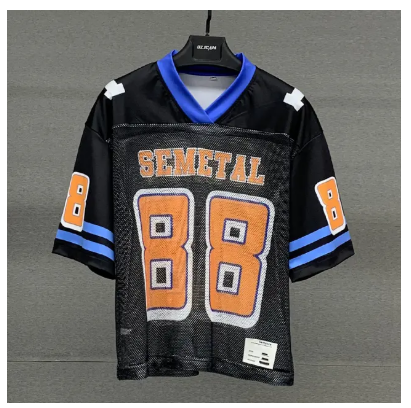
Traditional factories operate on rigid, large-scale manufacturing schedules. They rely heavily on massive Minimum Order Quantities (MOQs). These facilities often demand six-month forecasting windows. These requirements clash directly against streetwear’s core business model. The drop model relies on artificial scarcity. Brands release limited quantities to drive hype. Modern brands need low-volume, high-frequency releases. You cannot predict viral trends six months in advance. Generic factories simply cannot pivot fast enough to accommodate sudden market shifts.
Sampling presents another massive hidden drain on resources. Standard facilities usually require three to five physical sample loops. Each iteration costs valuable time and capital. You often wait two to four weeks per sample delivery. These delays push your time-to-market back significantly. This lag can cause you to miss fleeting trend windows completely. When trend cycles close, excess inventory accumulates rapidly.
Furthermore, streetwear demands specific, premium raw materials. You need heavyweight fleece, technical nylons, and complex dye processes. Non-specialized factories frequently face severe sourcing delays when locating these fabrics. They lack established relationships within this niche. The main deficits include:
Raw Material Sourcing: Generic facilities lack pre-vetted textile networks. Sourcing custom hardware or specialty fabrics often adds three to six months to development timelines.
Dyeing and Finishing: Complex garment-dyed processes require specialized equipment. Standard factories struggle to maintain color consistency across different production batches.
Print Durability: Streetwear heavily relies on advanced printing techniques. Puff prints and high-density screen prints often fail basic QA checks at generic facilities.
These deficits severely compromise brand reputation. Poor quality leads to high return rates. Working alongside a dedicated Streetwear Manufacturer solves these precise pain points. They understand the exact drape, fit, and finish required for modern apparel.
A specialized partner transforms your entire production pipeline. They integrate advanced technology and localized sourcing networks. This targeted approach drastically reduces lead times. It also minimizes material waste during initial product development phases.
Agile Design and Digital Prototyping: Specialists integrate advanced 3D design software like CLO 3D. This technology allows for virtual fit-testing before physical cutting begins. You can adjust patterns digitally in real time. This eliminates multiple physical sampling rounds. You save weeks of development time and reduce prototyping costs significantly.
Optimized Sourcing Networks: Specialized vendors maintain pre-vetted, localized textile networks. They stock streetwear-specific materials immediately. They hold Supima cotton, recycled polyesters, and raw denim. They also stock custom trims. This immediate access bypasses frustrating raw material stockouts.
End-to-End Visibility and Tech Integration: Modern partners connect directly into Product Lifecycle Management (PLM) systems. They utilize robust Enterprise Resource Planning (ERP) software. You get real-time shop floor control (SFC) data. They provide clear logistics tracking and transparent inventory levels. You always know exactly where your production stands.
Scalable Production Tiers: The best partners support flexible growth stages. They offer "Wholesale Blanks" for rapid market testing. You can quickly launch limited drops to gauge demand. Once your volume scales, they seamlessly transition your brand into full Cut & Sew custom production.
Selecting the right factory requires objective evaluation criteria. You must assess their agility, pricing structures, and compliance standards. A rigorous evaluation framework prevents costly mismatches down the line. Use the following metrics to audit potential production partners thoroughly.
Fast turnaround times are critical for trend-driven apparel brands. Ask if they can handle emergency restocks effectively. Top-tier agile supply chains execute priority replenishment runs in 15 to 20 days. This rapid response allows you to capitalize on sudden viral trends. It keeps popular items in stock without holding massive upfront inventory.
You need MOQs capable of supporting low-risk market testing. Look for partners offering 100 to 500 pieces per style or colorway. They must also provide transparent volume-discount tiers. This flexibility lets you scale production seamlessly as demand grows. You protect your cash flow during early launch phases.
Consistent quality protects your brand equity and customer loyalty. Verify their standardized QA checklists carefully. Do they inspect stitching, print durability, and finishing details? Environmental, Social, and Governance (ESG) risks also require close attention. Assess their labor compliance and environmental standards. Ensure they maintain clear visibility into their tier-2 raw material suppliers.
Secondary logistics add unnecessary costs and transit days. Check if they source brand-aligned packaging locally. Can they provide biodegradable mailers or organic woven tags directly at the factory level? Factory-direct packaging saves a complete logistics step. It streamlines the final journey to your distribution center.
| Evaluation Category | Evaluation Metric | Best Practice Standard |
|---|---|---|
| Agility | Emergency Restock Lead Time | 15–20 days turnaround for priority runs |
| Flexibility | Market Testing MOQs | 100–500 pieces per style/colorway |
| Compliance | ESG & QA Checklists | Clear tier-2 supplier visibility & ethical labor checks |
| Fulfillment | Sustainable Packaging | Factory-level sourcing of biodegradable mailers |
Geographic location heavily dictates your supply chain agility. You must carefully balance cost-efficiency against production speed. Intellectual property (IP) security and ESG compliance also play massive roles in this decision. Three major manufacturing hubs dominate the streetwear landscape. Each region offers distinct advantages and unique drawbacks.
China offers unmatched manufacturing scale. It provides exceptional cost-efficiency for growing brands. You gain access to advanced supply chain technologies. The region also boasts comprehensive, centralized textile markets. You can find virtually any fabric or trim imaginable.
However, longer shipping times to Western markets remain a consistent hurdle. You might face cultural and communication barriers during complex developments. Varying IP protection enforcement also requires careful legal navigation. You must register trademarks properly before sharing designs.
Turkey excels in vertically integrated supply chains. A single region can handle everything from raw cotton spinning to finished garments. This deep integration delivers excellent speed-to-market. It eliminates border delays for raw materials. It also ensures consistently high-quality outputs.
Conversely, the region remains susceptible to economic fluctuations. Geopolitical risks can occasionally disrupt logistics. You must factor these macro-level variables into your supply chain risk models.
Portugal offers incredible proximity to lucrative European markets. The country enforces stringent labor and environmental compliance laws. Portuguese factories demonstrate exceptional expertise in luxury finishing and sustainable fabrics.
The primary downside involves higher baseline production costs. Portugal also holds significantly lower overall volume capacity compared to massive Asian hubs. You must ensure your retail margins can comfortably absorb these premium manufacturing rates.
Even an elite factory cannot fix fundamentally flawed internal processes. Brand owners frequently introduce severe inefficiencies into their own supply chains. You must prepare thoroughly before submitting designs for sampling. Proactive preparation prevents delays and massive budget overruns.
Submitting vague designs guarantees production delays. Accurate Tech Packs serve as the definitive blueprint for factories. They must include a clear Bill of Materials (BOM) and Points of Measure (POM). Precise measurements and detailed grading rules are essential. Hardware specifications and exact logo placements are non-negotiable. Poor Tech Packs lead to blown budgets. They cause endless revisions and incorrect physical samples.
Demanding bespoke fabric blends on extremely low MOQs stalls production immediately. Custom textiles often require huge minimum orders from fabric mills. They also add months to your development timeline.
Mitigation: Utilize factory-available, in-stock fabrics for early product drops. This strategy tests market demand quickly without extending lead times.
Altering patterns after production commences introduces severe hidden costs. A minor pocket adjustment can delay final shipments by several weeks. It wastes raw materials and disrupts factory scheduling.
Mitigation: Lock all designs during the digital prototyping phase. Do not authorize any changes once physical fabric cutting begins.
Supply chains inherently face unexpected disruptions. Fabric defects, port strikes, or shipping container delays happen constantly. You must always establish a time buffer for emergency scenarios. Ask prospective manufacturers about their backup equipment. Determine their alternative sourcing routes before you sign binding contracts.
Working alongside a dedicated manufacturing partner fundamentally improves your supply chain efficiency. Specialized vendors align their production capabilities directly with drop-centric market realities. They remove the rigid bottlenecks associated with standard, generic apparel factories. You gain faster lead times, reduced inventory risks, and superior quality control.
To implement these manufacturing strategies effectively, consider these actionable next steps:
Do not transition your entire product catalog simultaneously.
Shortlist two to three manufacturers using the geographical frameworks discussed above.
Initiate a small pilot run consisting of one to two distinct SKUs.
Assess their communication speed, lead-time accuracy, and QA strictness during this pilot.
Scale your production volume only after verifying their operational reliability.
A: For unproven concepts, utilizing high-quality wholesale blanks combined with custom printing or embroidery is the most efficient way to test demand. Transition to cut-and-sew only when you need custom silhouettes and have the budget to support higher MOQs and longer development times.
A: Brands rarely disclose their supply chains publicly to protect their IP. However, you can sometimes cross-reference a manufacturer's claims by looking up RN (Registered Identification) numbers on clothing tags, attending industry trade shows like MAGIC, or requesting redacted case studies.
A: While some traditional factories demand thousands of units, specialized streetwear partners typically offer MOQs ranging from 100 to 500 pieces per style and colorway. However, unit costs at the 100-piece tier will carry a premium to account for setup times.


