Views: 0 Author: Site Editor Publish Time: 2026-04-17 Origin: Site
As a first-time brand owner or purchasing manager stepping into custom apparel production, the right clothing manufacturer questions separate successful launches from expensive headaches. From the factory floor perspective, poor vetting of apparel suppliers often stems from skipping supply-chain realities like MOQ thresholds, GSM tolerances, and lead-time buffers. This custom clothing checklist—built from real production data—helps you evaluate partners objectively and build a scalable relationship.
In 2026’s competitive market, where 68% of new streetwear and casual brands source their first run from overseas OEM/ODM factories, asking these targeted clothing manufacturer questions upfront can reduce order discrepancies by up to 70% and shave 2–4 weeks off your timeline. Let’s walk through the exact 10 questions every procurement team should ask—complete with quantifiable benchmarks and red-flag answers.
MOQ is the single biggest gatekeeper in custom clothing production. Most factories quote 300–500 pieces per style/color to optimize cutting tables and minimize fabric waste (typically 4–7%). For a 280 GSM French terry hoodie, expect a realistic MOQ of 250 pieces; dropping below 150 pieces usually inflates unit cost by 25–40% due to setup labor and pattern grading inefficiencies. Ask for proof of flexibility: can they combine your order with existing fabric stock or run a “group buy” across colors? A responsive partner will offer tiered pricing—e.g., $8.20/unit at 250 pcs vs. $6.80 at 500 pcs FOB China. Red flag: rigid 1,000-piece MOQ with no negotiation path.
Sampling and bulk lead times directly impact cash flow and market windows. Expect 7–14 days for a physical sample (including pattern making and first fit) and 4–6 weeks for bulk once PP (pre-production) sample is approved. For heavyweight fleece (380+ GSM), add 5–7 days because thicker yarns require slower knitting to avoid pilling. Always request a detailed Gantt chart showing fabric sourcing (2 weeks), cutting (1 week), sewing (2 weeks), and QC/packing (1 week). Top suppliers maintain 95% on-time delivery by locking yarn contracts quarterly.
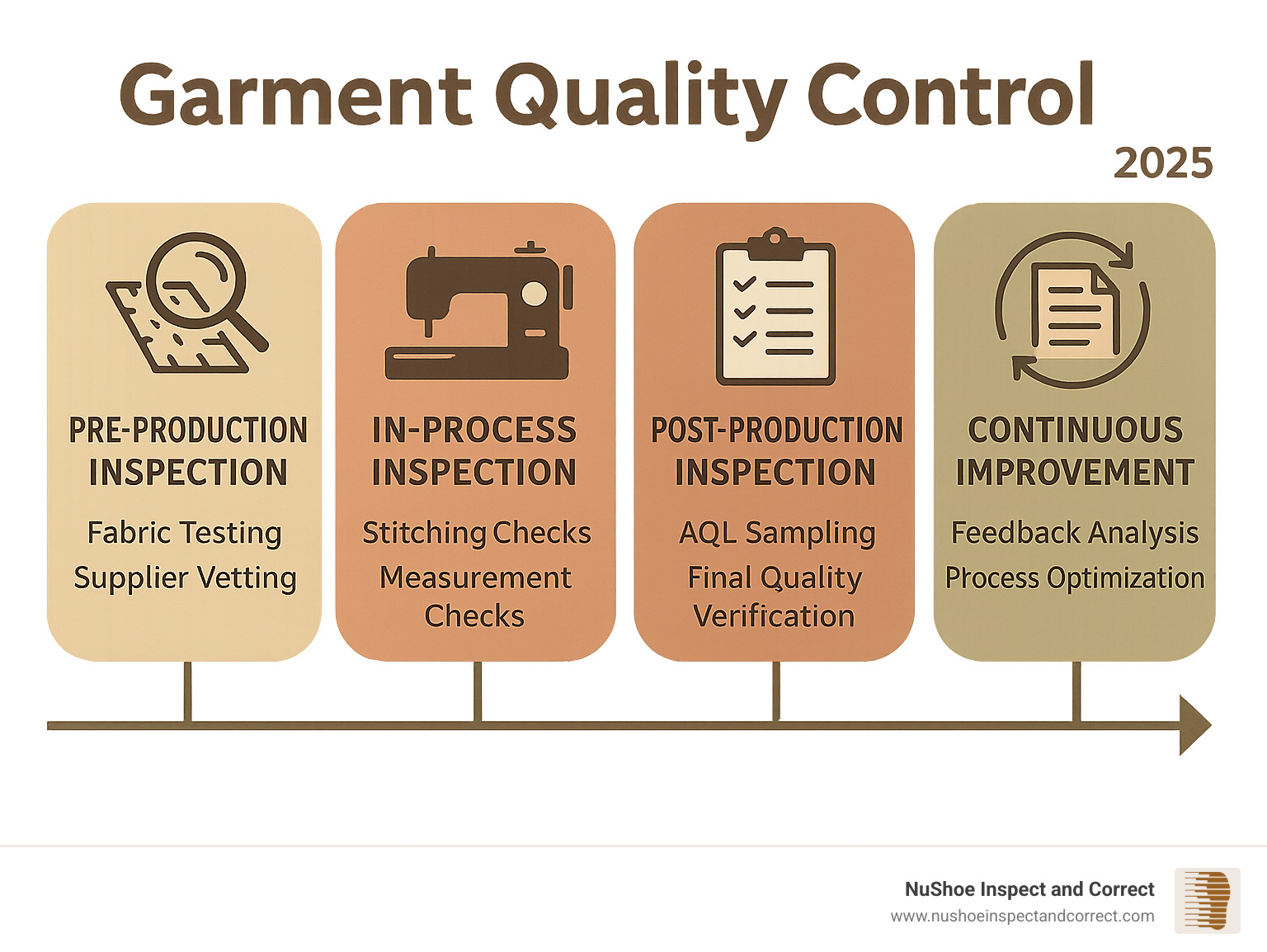
Quality is non-negotiable. Demand a full AQL 2.5/4.0 inspection plan covering fabric inspection (4-point system), in-line sewing checks, and final 100% visual + measurement audit. Look for ISO 9001, GOTS (for organic cotton), OEKO-TEX Standard 100, and BSCI/Sedex for social compliance. A professional factory tracks defect rates below 1.5% and offers third-party testing (SGS or Intertek) at your request for an extra $0.15–0.30 per piece. Ask to see last month’s QC dashboard—real data beats promises.
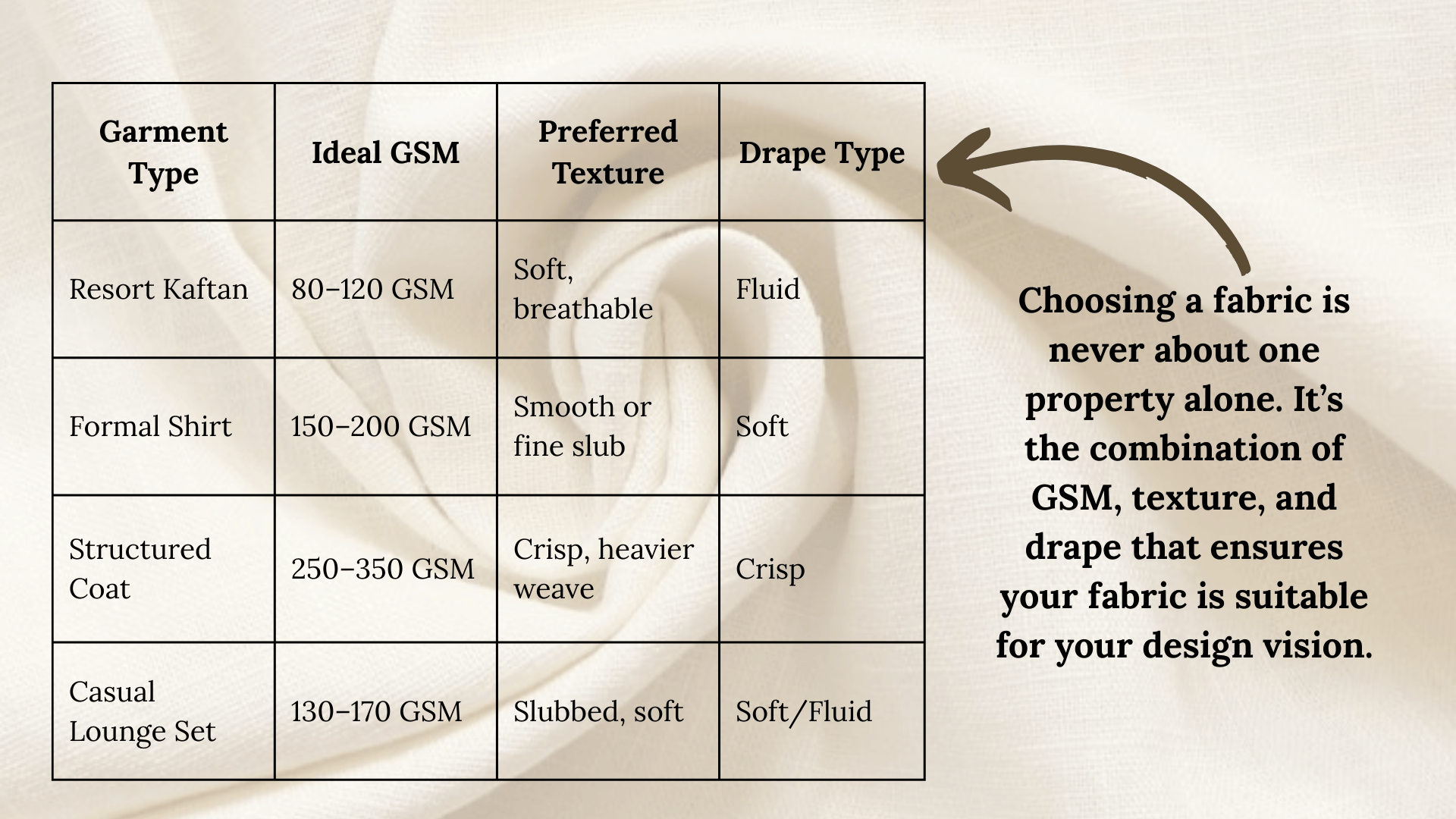
Fabric choice drives 60–70% of the final garment cost and hand-feel. A reliable clothing manufacturer should offer full traceability: 180–220 GSM single jersey for tees, 260–320 GSM French terry for hoodies, and 380–450 GSM 3-thread fleece for premium streetwear. Ask for mill certificates and current stock positions—using existing inventory can cut MOQ by 40% and lead time by 2 weeks. Cost benchmark: 300 GSM organic cotton fleece runs $4.80–6.20 per meter (150 cm width) in 2026. Red flag: vague “we can source anything” without supplier names or lead-time guarantees.
Tech-pack accuracy prevents 80% of production errors. Expect a full CAD pattern service, 3D fit simulation, and graded size sets within 10 days. Ask whether they accept Adobe Illustrator or Gerber files and if they provide 3D renderings before sampling (saves $150–300 per round). For complex placements like oversized puff prints or 3D embroidery, confirm in-house capability versus outsourcing—internal control keeps costs 15–25% lower.
Standard terms are 30% deposit + 70% before shipment via T/T or LC. Flexible factories offer 20/30/50 splits for first-time buyers after credit check. Always verify they use escrow or trade assurance platforms. Hidden fees (sample shipping, color swatch charges) can add $400–800; negotiate them into the unit price.
Capacity transparency prevents missed seasons. A mid-size factory typically runs 80,000–150,000 pieces/month across 12–18 sewing lines. For reorders, expect 3–4 weeks if fabric is pre-stocked—critical for DTC brands chasing viral drops. Ask for line-balancing data: how many minutes per garment? A 280 GSM hoodie should average 18–22 minutes.
2026 buyers demand proof, not greenwashing. Ask for recycled polyester (GRS certified) at only 8–12% premium and traceable organic cotton (GOTS) at $0.40–0.60 extra per piece. Ethical factories share worker wage audits and carbon footprint reports. Real data: switching to low-impact dyes reduces water use by 40% per kg of fabric.
Request 2–3 anonymized case studies matching your category (e.g., streetwear hoodies 500–2,000 pcs). Ask for before/after photos, on-time rates, and defect percentages. A confident clothing manufacturer will connect you directly with past clients for a 10-minute call.
Demand a full BOM (bill of materials) with mill names, dye lots, and subcontractor lists. Top factories use blockchain or shared portals for real-time tracking. Ask about force-majeure policies and dual-sourcing plans—essential after 2025 shipping disruptions.
Q: Can the MOQ be lower than quoted for my first order?A: Yes—through stock fabric or combined cutting with existing orders, many factories drop to 100–150 pcs without major cost spikes.
Q: How much does a sample cost and is it deductible?A: $80–180 per style (including 2 revisions). Most deduct 50–100% from the first bulk order.
Q: What if I need urgent production—can you compress timelines?A: Air shipment + 24/7 lines can cut 2 weeks, but expect 15–25% premium. Plan 6 weeks minimum for reliable quality.
Q: Are there hidden costs I should budget for?A: Color matching ($50–120), size grading revisions, and carton labeling. Always request an all-in FOB quote.
Q: How do I protect my designs during development?A: Sign an NDA before sharing tech packs. Established factories treat IP as core to long-term partnerships.
From the cutting tables and sewing lines in 2026, the clearest trend is unmistakable: brands that treat supplier vetting as seriously as design win the long game. Those who master these clothing manufacturer questions reduce first-order failure rates by 65% and reach repeat-production profitability 40% faster than peers who chase the lowest quote alone. The real differentiator isn’t cheaper labor—it’s predictable, transparent supply chains that scale with your brand.
Achieving this level of reliability starts with choosing a manufacturing partner that speaks the language of both technical precision and brand value. This is exactly the core strength of yiteclothing.com—a professional OEM/ODM factory that combines flexible MOQs (starting at 100 pcs), full in-house development, GOTS/OEKO-TEX certified materials, and transparent QC dashboards. Whether you’re launching your first heavyweight hoodie run or scaling a complete sweatsuit collection, our team ensures every clothing manufacturer question you ask is answered with data, not promises.
Ready to turn this custom clothing checklist into your first successful production run? Visit yiteclothing.com today and book a free 30-minute supply-chain audit with our experts. Your brand’s next chapter starts with the right partner.