Views: 0 Author: Site Editor Publish Time: 2026-06-27 Origin: Site
Sourcing bulk apparel carries significant operational risk for any growing clothing brand. Choosing poor base garments often leads directly to disastrous print failures. It causes inconsistent sizing across batches and severely erodes profit margins. Sourcing blank cotton t-shirts wholesale involves much more than just hunting down the lowest unit cost. You need to establish a reliable, scalable canvas to properly represent your brand. Quality blanks serve as the literal foundation for your customer's physical experience. We will introduce the essential evaluation framework required to thoroughly vet suppliers. You will learn exactly what to check before you commit to high-volume orders. This guide helps you navigate fabric types, batch consistency, and supply chain reliability. You can confidently build a better product lineup.
Fabric matters for print tech: 100% ring-spun cotton yields the best results for Direct-to-Garment (DTG), while standard carded cotton suffices for basic screen printing.
Consistency is a hidden cost: Batch-to-batch color matching and sizing reliability are critical for maintaining customer trust in custom T-shirts.
Construction dictates retail value: Side-seamed construction and tear-away tags command higher retail price points than tubular, standard-tag alternatives.
Test before scaling: Never place a full bulk order without executing a sample wash and print test.
The blank garment serves as the ultimate foundation for your final product. Consumers judge perceived value the moment they touch the fabric. A cheap shirt ruins a brilliant design entirely. It guarantees unusually high return rates. We see brands fail repeatedly when they ignore this fundamental reality. Good design simply cannot hide poor garment construction.
Unit economics require careful daily balance. The baseline cost of your blank garment directly interacts with printing fees. It affects shipping logistics and shapes final retail expectations. If you buy inferior blanks, your decoration costs remain static. However, your return rates will inevitably spike. This dynamic destroys profit margins rapidly. You spend money shipping defective goods backward.
Consider a production run of several thousand units. A minor increase in the blank cost seems terrifying initially. However, cheap shirts often carry a higher hidden defect rate. The apparel industry standard generally accepts a two percent defect rate. If cheap blanks push this rate to five percent, you lose money quickly. You pay for printing on ruined garments. You pay for wasteful packaging. You pay for outbound shipping. You then process the costly customer return. Paying slightly more upfront prevents this entire cascade of financial losses.
Brand reputation faces massive risks when quality drops. Poor construction leads directly to collar baconing. It causes severe post-wash shrinkage. Customers notice these physical defects immediately. They will not buy from you again. This destroys customer lifetime value. Producing high-quality custom T-shirts requires you to source reliable base layers. Quality retention after multiple washes builds strong loyalty. It drives crucial repeat purchases.
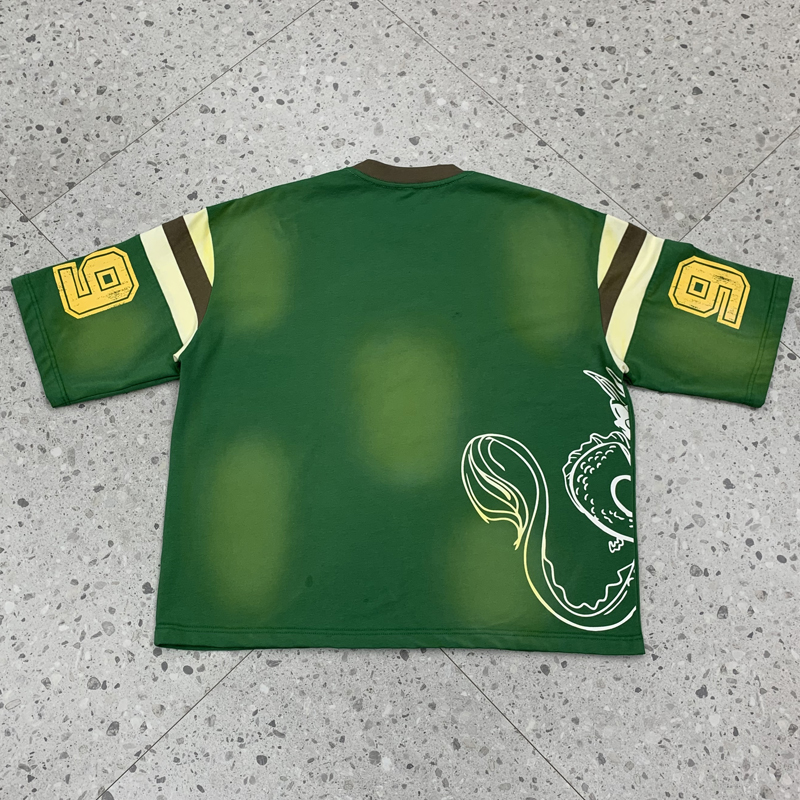
Evaluating cotton quality requires understanding basic fiber processing. Carded open-end cotton offers a cheaper, rougher texture. It feels heavier but lacks refinement. Microscopic stray fibers stick out from the yarn. Combed and ring-spun cotton provides a vastly superior alternative. Manufacturers comb the raw cotton to remove impurities. They spin the yarn tightly to create a much smoother surface. This tight weave yields a truly premium feel.
Print compatibility dictates your fabric choices heavily. Direct-to-Garment (DTG) technology demands tight, smooth surfaces. You must use 100% ring-spun cotton for optimal DTG results. The smooth surface prevents fibrillation. Fibrillation occurs when tiny cotton fibers break loose during washing. They poke through the cured ink layer. This makes the print look instantly faded or dusty. Combing the cotton prevents this phenomenon. The machines literally comb the raw cotton fibers before spinning. This aligns the fibers perfectly parallel. It discards short, brittle strands. The resulting ring-spun yarn produces an incredibly smooth print surface. The ink sits flat on top of the fabric. Screen printing behaves much more forgivingly. Standard carded cotton works well enough for basic screen applications. However, high-end plastisol inks perform drastically better on smoother blanks. Water-based inks also require a tight weave for crisp edges.
Fabric weight completely alters the garment's feel and seasonal application. We measure this metric in ounces (oz) or grams per square meter (GSM). A standard 4.3 oz shirt roughly equals 145 GSM. These lightweight shirts feel highly breathable. They drape softly over the wearer's body. They fit lifestyle or summer fitness campaigns perfectly. Heavyweight shirts usually exceed 6.0 oz or 200 GSM. They offer a dense, highly structured drape. The fabric holds its boxy shape well. Streetwear labels heavily prefer this sturdy, premium feel.
| Cotton Type | Texture & Feel | Best Print Method | Ideal Brand Application |
|---|---|---|---|
| Carded Open-End | Rough, heavy, loose weave | Basic Screen Printing | Promotional events, giveaways |
| 100% Ring-Spun | Smooth, soft, tight weave | DTG, Water-Based Screen Print | Premium retail, lifestyle brands |
| Heavyweight Ring-Spun | Dense, structured, ultra-smooth | Plastisol, Embroidery, DTG | Streetwear, high-end fashion |
Receiving identical shirts sounds remarkably simple. In reality, it represents a massive operational challenge. Buyers frequently face inconsistent sizing across different dye lots. One batch of medium shirts might fit perfectly. The next batch arrives two inches shorter. Batch-to-batch color matching also fluctuates wildly. A navy shirt today might look charcoal tomorrow. You must demand strict tolerance levels from your chosen suppliers.
Dye lots represent a constant variable in textile manufacturing. Factories dye massive vats of fabric at different times. Temperature variations or chemical ratios change slightly between runs. This creates small shade differences. Ask your vendors about their color-matching procedures. Consistent dye lots protect your brand image. Customers expect the exact same shade when reordering a favorite shirt.
Construction standards determine how a shirt fits the human body. Side-seamed construction offers a structured, retail-ready fit. It contours naturally to the wearer. Tubular construction costs much less to produce at scale. Manufacturers simply cut long woven fabric tubes and attach sleeves. They eliminate the side seam stitching process entirely. However, tubular shirts lack structural side anchors. They frequently twist out of shape after routine washing. The entire garment skews diagonally. This twisting severely ruins the central alignment of large front prints. Side-seamed construction prevents this diagonal skew.
Re-branding readiness remains essential for scaling operations. You want to relabel garments quickly and efficiently. Tear-away tags provide an enormous advantage here. They allow you to remove factory labels effortlessly. You can re-label your custom T-shirts without damaging the delicate collar seam. Standard woven tags require tedious cutting. Unpicking them wastes valuable labor hours. It severely risks ripping the neckband fabric. Always verify tag construction before placing massive bulk orders.
Your supplier must act as a fully reliable partner. Evaluating a vendor means assessing their ability to maintain deep inventory levels. A beautifully designed blank becomes completely useless if you cannot buy it. Suppliers frequently run out of core sizes like Medium and Large. They also face sudden shortages in staple colors like Black or White. You must confirm they hold massive stock buffers. Ask about their replenishment schedules.
You must also consider the reality of split shipments. Sometimes a supplier lacks your entire order in one single warehouse. They ship half the order from California. They ship the remaining half from Texas. This doubles your inbound shipping fees unexpectedly. It complicates your receiving process. You must ask vendors about their routing policies. Clarify how they handle split shipments before ordering.
Geographic location drastically impacts your daily fulfillment speed. Domestic warehousing offers rapid delivery times across the country. You can often receive wholesale stock within two business days. However, this domestic convenience carries naturally higher baseline costs. Overseas shipping presents the exact opposite scenario. It delivers noticeably lower unit costs. It introduces significantly longer lead times. You must balance these trade-offs carefully when sourcing blank cotton t-shirts wholesale. Customs delays can freeze your entire operation overnight without warning.
System integration separates modern suppliers from outdated wholesalers. You need real-time data visibility constantly. The best vendors offer live API inventory synchronization. Their software connects directly to your print-on-demand platforms. It syncs seamlessly into your chosen fulfillment software. This automated data flow prevents embarrassing customer stockouts. It stops you from selling items you cannot actually fulfill. Always prioritize tech-forward suppliers.
Vetting suppliers correctly saves you endless frustration. We recommend a strict, logical approach to evaluating new vendors. Do not skip any phase of this testing process. Careful testing prevents disastrous bulk purchases.
Order Samples First: Never guess how a shirt fits. Request a full size run from Small to XXL. Ensure you order the exact style and color you intend to sell.
Execute a Print Run: Blank testing means nothing without actual decoration. Test your specific printing method on these exact samples. Check how they handle DTG, screen printing, or detailed embroidery.
The Wash Test: Consumers will wash your product repeatedly. Run your freshly printed samples through standard consumer wash cycles. Inspect them carefully for severe dye migration. Measure them to calculate shrinkage percentages accurately.
Review Policies: Always audit the supplier's formal terms. Read their return policies regarding defective garments. Check their minimum order quantities closely. Understand how these volume tiers affect your margins.
Mistake: Ignoring fabric shrinkage. Failing to measure garments before and after the initial wash cycle leads to massive sizing complaints.
Mistake: Assuming universal sizing. Believing a medium from one supplier perfectly matches a medium from another brand creates immediate inventory issues.
Mistake: Testing the wrong colors. Printing test runs on white samples but ordering black garments for bulk production ruins your color calibration.
Best Practice: Checking restock timelines. Always ask suppliers about their standard replenishment speed for your top-selling colors.
Successful apparel procurement requires a delicate balancing act. You must align garment quality directly with your chosen print compatibility. You must also secure long-term supply chain stability. Your choice of blanks defines your brand's physical presence. It dictates customer satisfaction heavily. It strongly influences repeat purchase behavior.
We urge you to take immediate strategic action. First, audit your current top-selling items closely. Identify the exact fabric specifications your customers prefer. Next, order your initial sample batch from two or three shortlisted wholesale distributors. Run them through the rigorous testing framework outlined above. Protect your profit margins tightly. Refuse to compromise on your foundational base garments.
A: The "best" weight depends entirely on your target market. Streetwear brands typically prefer heavyweight fabrics exceeding 6.0 oz for a structured drape. Conversely, lifestyle and fitness brands lean heavily toward lightweight, ring-spun cotton. These garments usually range between 4.2 and 4.5 oz to ensure breathability.
A: Standard 100% cotton garments typically shrink between 3% and 5% after the first wash. This occurs naturally unless the fabric undergoes specific pre-shrinking treatments. We strongly advise checking your supplier's specification sheets. Always look for explicit "pre-shrunk" designations to minimize customer sizing complaints.
A: Most major modern distributors allow you to mix and match sizes and colors within a single order. This flexibility helps you easily reach bulk pricing tiers. However, be aware of case-pack pricing structures. These often require you to order in strict multiples of 12 or 72 per SKU.
A: Poor DTG printing usually stems from fabric structure. Carded open-end cotton contains loose, stray fibers that physically interrupt the ink layer. Direct-to-Garment technology relies on a perfectly flat surface. High-resolution DTG printing strictly requires smooth, tight-knit ring-spun cotton to prevent the ink from pooling or fibrillating.


