Views: 0 Author: Site Editor Publish Time: 2026-06-26 Origin: Site
Sourcing is the most common failure point for emerging streetwear brands. A great design printed on a subpar garment damages brand equity immediately. Moving from concept to physical inventory requires selecting a highly capable partner. They must execute specific streetwear aesthetics effortlessly. You need oversized silhouettes, heavyweight fabrics, and complex print techniques. These elements must align to maintain sustainable margins. Choosing the wrong production model leads to over-leveraged inventory. It can also cause a complete lack of brand differentiation in a crowded market. This guide breaks down the essential evaluation criteria. We show you exactly how to vet potential factory partners. You will discover practical methods to mitigate common production risks. We will help you standardize your entire sourcing process. Mastering these steps ensures your physical products match your initial vision perfectly.
Define your production route (blanks vs. cut-and-sew) before approaching manufacturers to align with your capital and MOQ limits.
Evaluate manufacturers based on fabric weight (GSM), printing techniques (screen print vs. DTG), and finishing options (custom tags, puff print).
Never skip the sampling phase; use it to test communication responsiveness, adherence to tech packs, and wash durability.
Prioritize factories with transparent pricing structures and scalable MOQs that align with your growth projections.
Framing your business problem correctly dictates your entire supply chain strategy. Choosing the wrong production model inevitably leads to severe operational headaches. You might end up holding too much stock. Alternatively, your garments might look identical to every other startup label. Brand owners must decide between printing on pre-made blanks or building garments from scratch. Each route serves different growth stages.
White labeling involves buying ready-made blank garments and adding your embellishments. This route offers distinct operational advantages. You benefit from lower Minimum Order Quantities (MOQs). Factories complete these orders much faster. The base garment quality remains highly predictable across multiple runs. However, drawbacks exist. You face limited fit customization. You also run the risk of competitors using the exact same base garment. To mitigate this, ask the custom t-shirt manufacturer which blank brands they source. Streetwear standards typically demand 250+ GSM heavyweight cotton. Knowing the base brand helps you assess durability upfront.
The cut-and-sew method involves creating garments entirely from raw fabric. This approach gives you complete control over the silhouette. You can specify drop shoulders, extra-wide bodies, or cropped lengths. Brands develop proprietary sizing rules. You also gain the ability to dictate exact fabric sourcing. The downside includes significantly higher MOQs. Lead times stretch much longer. You must also supply precise technical designs, commonly known as Tech Packs. Without accurate measurements, production errors multiply rapidly.
Here is a quick comparison chart summarizing the two models:
| Feature | Premium Blanks | Cut-and-Sew |
|---|---|---|
| Customization Level | Low (Prints and tags only) | High (Silhouette, fabric, sizing) |
| MOQ Requirements | Low (Often 25-50 units) | High (Usually 100-300+ units) |
| Turnaround Time | Fast (2-4 weeks) | Slow (8-12 weeks) |
| Technical Needs | Basic graphic files | Comprehensive Tech Packs |
Streetwear audiences heavily scrutinize garment construction. Consumers recognize cheap materials instantly. Therefore, evaluating a factory requires digging into their specific textile capabilities.
Streetwear demands very specific textiles. You must evaluate their ability to source heavyweight cotton. Industry standards usually range between 210 and 300 GSM (Grams per Square Meter). Lighter fabrics feel flimsy and lack the required drape. Ask about their access to premium materials like French terry or custom cotton-poly blends. Shrinkage ruins perfect fits after one laundry cycle. Always check for pre-shrunk fabrics. Pre-washing treatments minimize post-wash sizing issues significantly.
A viable partner must execute streetwear-standard techniques flawlessly. Basic printing skills are insufficient. You need expertise across various application methods.
Screen Printing: This remains the gold standard for bulk custom T-shirts. You must check their maximum color count per design. Ask about their ink curing process. Improperly cured ink cracks and washes out immediately.
Specialty Prints: Streetwear relies heavily on texture. Assess their capabilities in puff print applications. Inquire about high-density gel printing. Test their distressed printing techniques for vintage aesthetics.
Embroidery: Thread density matters immensely. Verify the backing quality used inside the shirt. Poor backing causes heavy garments to pucker around the stitched design.
Small details elevate a basic shirt into a premium product. Evaluate their options for custom woven neck tags. Assess their ability to sew care labels seamlessly into the side seams. Many brands prefer inside sizing prints instead of itchy woven tags. Ask about their custom polybag packaging capabilities. Branded packaging creates a superior unboxing experience for retail customers.
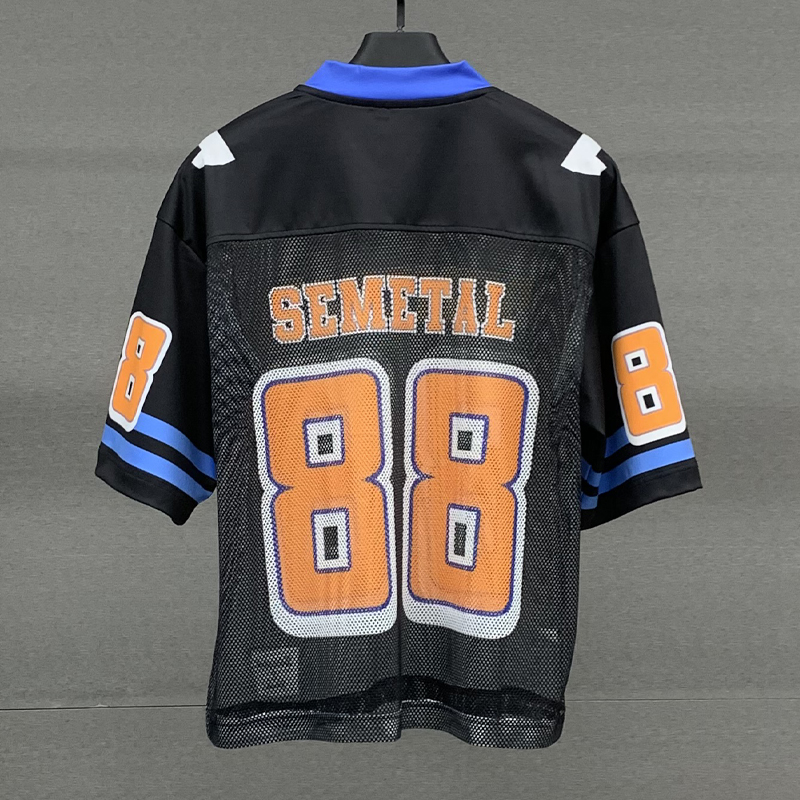
Treat the sourcing process like a rigorous job interview. Finding red flags early saves your capital. Recognizing strong trust signals builds long-term confidence.
Clear dialogue predicts production success. You should send a detailed tech pack during your initial inquiry. Watch how they respond.
Trust Signal: The manufacturer asks clarifying questions. They double-check measurement tolerances. They confirm Pantone color codes. They verify exact print placement distances from the collar. This demonstrates deep attention to detail.
Red Flag: The representative agrees to everything instantly. They fail to review technical specifications before quoting. This usually means they plan to guess the details later.
Ethical manufacturing protects your brand reputation. Poor factory conditions often correlate to poor product quality. Request official documentation regarding labor practices. Ask for environmental compliance records. Look for WRAP (Worldwide Responsible Accredited Production) certification. Check for OEKO-TEX standard certifications regarding safe fabric dyes. These documents prove crucial when sourcing from overseas facilities.
Never rely on digital mockups alone. Ask for physical samples of their past work. You specifically need examples relevant to streetwear. Standard corporate promotional wear uses entirely different construction methods. Assess the stitching quality closely. Look for double-needle hems on the sleeves and bottom edges. Check for reinforced collars. A thick, ribbed collar prevents the dreaded "bacon neck" stretching effect.
Financial alignment ensures your brand remains viable. Scaling requires predictable unit economics. Factory negotiations revolve around three main pillars.
Request a Line-Item Quote: Demand a full breakdown. Ask for the base garment cost. Separate the print setup fees, including screen creation or digitizing charges. Isolate relabeling costs. Factor in estimated shipping expenses.
Analyze the Market Average: Beware of quotes falling significantly below the market average. Unusually low quotes often indicate bait-and-switch tactics. The factory might show you a 250 GSM sample but produce the bulk order using 180 GSM fabric.
MOQs determine your upfront risk. You must understand exactly how the factory applies these limits. Assess if the stated MOQ applies per design. Check if it applies per colorway. Sometimes factories restrict quantities per size. Ensure their production scale matches your operational budget. Launching a limited capsule drop might require 50 units. Restocking core inventory might require 500 units. Your partner must accommodate both scenarios gracefully.
Time impacts your marketing release schedules directly. Evaluate the stated timelines for sample production. Samples typically require 2 to 4 weeks. Compare this against bulk production timelines. Bulk orders usually span 4 to 8 weeks. Logistics add another layer of complexity. Factor in freight forwarding schedules. Account for customs clearance delays when utilizing overseas facilities. Always add a buffer week to your internal calendar.
Going straight to bulk production without a physical prototype constitutes the highest-risk error in apparel. Prototypes expose miscommunications. They validate the technical design. The sampling protocol requires strict adherence.
Order a single sample to test the manufacturer's baseline capabilities. Evaluate the hand-feel of the cotton. Measure the garment against your tech pack to verify fit accuracy. Inspect the print resolution closely. Look for crisp edges on screen prints. Ensure embroidery lines sit flat against the fabric.
A shirt looking great out of the box means nothing. You must test its durability. Wash and dry the sample three to five times. Use standard consumer laundry settings. Check the graphic for print cracking. Inspect the neckline for collar warping. Measure the width and length again to calculate excessive shrinkage. High-quality streetwear survives harsh washing cycles intact.
Rarely does the first sample arrive flawlessly. Provide highly structured feedback. Take photos of specific errors. Draw arrows pointing out stitching flaws. A reliable manufacturer will adjust the tech pack based on your notes. They will then offer a pre-production sample (PPS). You must approve this finalized PPS before initiating any bulk production.
Selecting a manufacturer represents a strategic partnership, not a simple one-off transaction. Your success depends entirely on their execution. Always prioritize clear communication. Demand strict adherence to your tech packs. Insist on proven capability in streetwear-specific weights and fits.
Begin by shortlisting three to four manufacturers. Request line-item quotes based on the exact same tech pack. This ensures an apples-to-apples comparison. Finally, initiate the physical sampling process with your top two contenders. Investing time upfront prevents disastrous inventory mistakes down the road.
A: For printed blanks, MOQs typically range from 25 to 50 units. For fully custom cut-and-sew garments, expect MOQs between 100 and 300 units per colorway, depending on the factory. Some specialized boutique factories might offer lower minimums, though unit costs will rise accordingly.
A: Domestic manufacturers offer faster shipping, easier communication, and lower MOQs, but higher unit costs. Overseas factories (e.g., in Portugal, China, or Vietnam) offer lower costs at scale and advanced cut-and-sew capabilities, but require longer lead times and higher MOQs. Choose based on your capital and timeline.
A: Yes. A Tech Pack is an architectural blueprint for your garment. It includes flat sketches, exact measurements, fabric composition, Pantone colors for prints, and tag placements. It is essential for minimizing errors and holding the manufacturer accountable during the production phase.
A: Generally, producing a custom sample takes 2 to 4 weeks. Factor in additional time for shipping and potential revisions before approving bulk production. Complex cut-and-sew samples often require multiple iterations, easily extending the timeline to 6 weeks.


