Views: 0 Author: Site Editor Publish Time: 2026-06-30 Origin: Site
Bringing an apparel concept to life demands far more than just a compelling vision. Sourcing high-quality custom shorts requires precise execution across fit, fabric durability, and hardware consistency. Every small detail matters when building consumer trust. Poor vendor selection routinely leads to sizing irregularities, delayed seasonal drops, and completely wasted capital. A single uncorrected error during bulk production can derail your brand reputation entirely.
To prevent these costly setbacks, we created this comprehensive buying guide. We aim to provide apparel founders and sourcing managers a practical, risk-aware framework. You will learn exactly how to evaluate, shortlist, and partner effectively. By following these structured steps, you can confidently secure a reliable custom shorts manufacturer. Read on to master the complexities of modern garment sourcing and protect your production timeline.
Assessing a manufacturer requires separating marketing claims from verifiable technical capabilities (e.g., tech pack execution, fabric sourcing).
Choosing between cut-and-sew and private label dictates your required minimum order quantities (MOQs) and lead times.
The pre-production (PP) sampling phase is the most critical risk-mitigation step before committing to bulk production.
True unit economics must account for landed costs, including freight terms, tariffs, and hidden tooling fees.
You must establish strict internal requirements before initiating any vendor outreach. This preparation ensures your capabilities align perfectly. It also guarantees realistic timelines for everyone involved. Without a clear strategy, brands often waste months negotiating mismatched services.
You face two primary manufacturing pathways. Each route serves entirely different brand goals. Understanding these differences prevents major production bottlenecks.
Private Label (Blanks): This method offers a significantly faster time-to-market. Factories hold pre-made inventory. This reality enables much lower MOQs. Private label works best for brands focusing primarily on surface design. You can easily add screen printing or intricate embroidery. However, you sacrifice custom silhouettes. You must accept existing block fits.
Cut-and-Sew: This complex route requires intricate pattern-making. You must also manage custom fabric sourcing. Lead times stretch considerably longer. Despite these delays, it offers complete creative control. You dictate the exact fit. You select specific inseam lengths. You can incorporate highly unique features. A dedicated custom shorts manufacturer excels in this exact environment.
| Feature | Private Label (Blanks) | Cut-and-Sew |
|---|---|---|
| Time-to-Market | Extremely fast (weeks) | Slower (months) |
| MOQ Requirements | Low (often under 50 units) | Higher (usually 100+ units) |
| Customization Level | Surface only (prints, tags) | Total control (fit, fabric, trims) |
| Development Effort | Minimal | Requires detailed Tech Packs |
Geographic location impacts every facet of your supply chain. You must weigh communication ease against scalable volume.
Domestic (e.g., USA): Local production simplifies operations. Communication flows easier across similar time zones. Shipping timelines shrink significantly. You face stricter labor compliance standards. Consumers often appreciate domestic manufacturing. However, these benefits carry a premium. You will typically incur a higher Cost Per Unit (CPU).
Overseas (e.g., Asia, Latin America): Global facilities provide massive scalability. They boast complex infrastructures optimized for custom textiles. Your CPU drops dramatically at higher volumes. These regions dominate global apparel manufacturing. However, overseas production requires rigorous logistics planning. You also need a high tolerance for extended transit times. Cultural and language barriers sometimes complicate nuanced design feedback.
You must define non-negotiable standards immediately. Use these metrics for shortlisting potential partners. Never compromise on core technical competencies.
Vet each facility thoroughly. Assess their flexibility for pilot runs. They should comfortably handle 100-300 units initially. A trial run protects your capital. Next, verify their true capacity to scale. Can they produce thousands later without compromising promised lead times?
Assess how they structure their MOQs. Factory requirements vary wildly. Some dictate minimums per overarching style. Others demand minimums per specific colorway. Certain facilities even mandate a strict size breakdown. Always clarify these terms before sharing technical files.
Ask if MOQs apply per fabric roll or per finished garment.
Negotiate lower initial MOQs by using stock fabrics.
Confirm scaling capacity during peak holiday production seasons.
Evaluate their material access strictly. Do they hold relationships for specific performance fabrics? Check for reliable 4-way stretch availability. Look for heavyweight French terry options. Demand advanced moisture-wicking blends. Material quality dictates consumer satisfaction.
Verify their technical comprehension completely. They must interpret complex Tech Packs flawlessly. This understanding includes executing your exact grading rules. They should know specific seam constructions inside out. Ask them to explain flatlock versus overlock stitching benefits. Their answer reveals their true expertise.
Never rely solely on verbal promises. Request their standard acceptable quality limit (AQL) documents. AQL 2.5 remains a common industry standard. These internal benchmarks highlight their commitment to excellence.
Look for verifiable third-party certifications. Ethical labor practices remain non-negotiable today. Fabric safety requires independent validation. Demand certificates like WRAP (Worldwide Responsible Accredited Production) or OEKO-TEX. Ensure these documents remain currently valid. Expired certificates often signal deeper operational neglect.
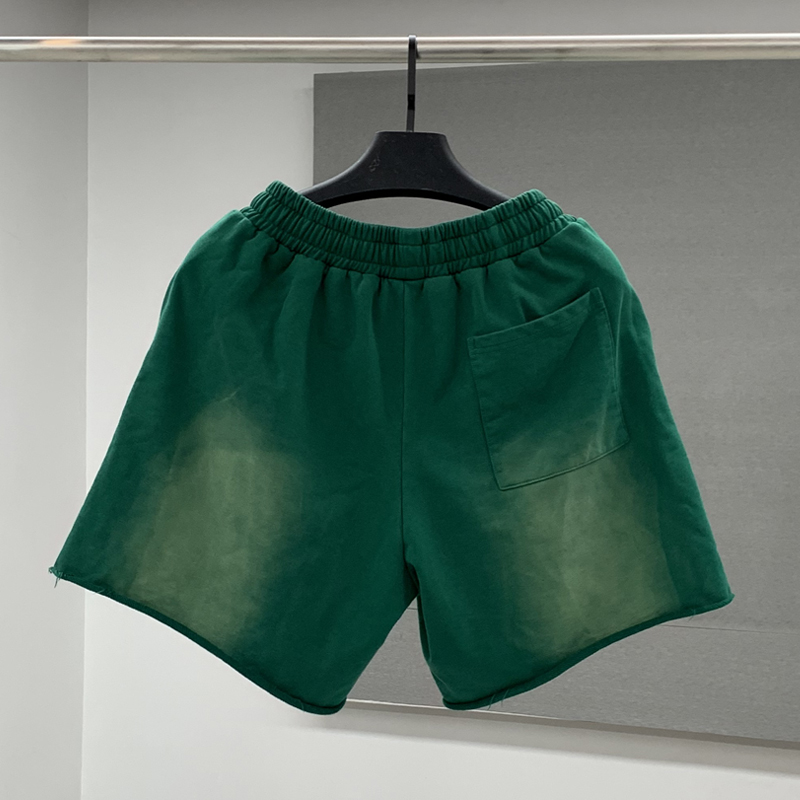
Frame this crucial stage as a comprehensive audit. You are testing their communication speed. You also evaluate their technical accuracy. Never rush the sampling phase.
The prototyping journey requires extreme patience. You will iterate multiple times.
First Fit Sample: Assess the fabric drape carefully. Check inseam accuracy immediately. Evaluate the overall block fit on a live model. Do not use mannequins exclusively. You should expect one or two revisions. Perfection rarely happens on the very first try.
Pre-Production (PP) Sample: This item represents the final operational benchmark. Do not authorize bulk manufacturing early. The PP sample must perfectly match your production expectations. Any minor flaw here scales into a massive disaster later. Approve the PP sample in writing.
Apparel longevity relies heavily on ancillary components. Test the durability of all incorporated elements. Validate the sourcing of metal zippers. Inspect the aglets and cotton drawstrings. Stretch the elastic waistbands aggressively. Weak elastic ruins the garment instantly.
Ensure custom hardware molds meet your exact specifications. Many brands use custom-branded zipper pulls. Verify these components do not inflate lead times unexpectedly. Some factories delay entire projects waiting for missing trims.
Move beyond the initial baseline quote. You must understand your full financial commitment. Unforeseen expenses destroy profit margins rapidly. Clarity here separates amateurs from professionals.
Differentiate between raw manufacturing costs carefully. Compare them against the final landed cost. The initial quote rarely covers everything. Your CPU only reflects factory floor expenses.
Clarify shipping terms upfront. Discuss FOB versus DDP clearly. FOB (Free on Board) requires you to manage freight logistics. DDP (Delivered Duty Paid) includes delivery directly to your door. You must accurately forecast profit margins using landed costs exclusively. Ignoring tariffs and freight ruins your business model.
Production involves numerous backend expenses. Account for pattern grading fees early. Ask about custom dye-sublimation setups. Factor in silk screen charges. Sample development costs add up quickly. A single custom sample might cost heavily.
Transparent partners itemize these expenses immediately. They will list every fee clearly on the invoice. Avoid facilities hiding these charges ambiguously inside the unit price. Obscured pricing structures signal a lack of trustworthy business practices.
Follow a structured approach constantly. Move deliberately from initial evaluation to a signed contract. A methodical onboarding process prevents future disputes.
Do not guess during vendor selection. Use empirical data to guide your choice. We recommend a strict vetting protocol.
Request peer references: Ask for contacts from similar apparel brands. Speak to their founders directly.
Audit communication speed: Notice their clarity during the initial quoting phase. Slow replies signal future production headaches.
Verify equipment capabilities: Ensure they possess the specific machinery required for your designs.
Review payment terms carefully: The standard involves 30-50% upfront. You pay the balance upon successful QC before shipping. Never pay 100% in advance.
Start small. Use a single, lower-risk SKU initially. Try a standard silhouette first. Do not transfer an entire seasonal collection immediately. A pilot run exposes operational weaknesses safely.
Set clear service level agreements (SLAs). Define rules regarding production delays explicitly. Establish acceptable defect rates in writing. Protect your investment through clear, legally binding boundaries. A professional custom shorts supplier respects these formal agreements.
Choosing a reliable manufacturer is a strategic partnership. It is never merely a transactional purchase. Your facility acts as an extension of your brand. Poor quality control destroys consumer loyalty permanently.
We encourage brands to prioritize radical transparency. Demand clear communication constantly. Rigorous sampling matters far more than the lowest initial price quote. Cheap production often becomes incredibly expensive later.
Take action today. Finalize your Tech Packs immediately. Begin requesting itemized quotes from qualified vendors. Establish your internal standards, verify factory capabilities, and build a resilient supply chain. Proper planning guarantees a successful product launch.
A: A realistic range is typically 100-500 units per colorway. This number depends heavily on the specific factory. Specialized facilities might offer lower minimums for emerging start-ups. Larger overseas hubs generally demand higher volumes to justify machine setup. Always clarify if the MOQ applies per overarching style or across mixed sizes.
A: Timelines vary based on overall design complexity. Expect 2-4 weeks for initial sampling. Bulk production usually requires 4-8 weeks. Transit time adds another variable entirely. Air freight takes roughly one week. Ocean freight often requires 30-45 days. Always build buffer weeks into your seasonal drop schedule.
A: Yes, a detailed Tech Pack is absolutely non-negotiable. It ensures accurate quoting from the start. It serves as your primary tool for minimizing production errors. Without one, factories must guess your specifications. A complete Tech Pack includes grading rules, bill of materials, and exact construction details.
A: This depends entirely on their specific operational model. Full Package Production (FPP) facilities handle complete sourcing. They find your desired textiles and necessary trims. CMT (Cut, Make, Trim) factories require you to supply all materials yourself. They only provide the assembly labor. Always clarify their sourcing capabilities during outreach.


