Views: 0 Author: Site Editor Publish Time: 2026-06-29 Origin: Site
Choosing bulk apparel is rarely just about style. It involves calculating brand representation, employee adoption, and procurement efficiency. Every garment you distribute speaks volumes about your corporate identity. Poor selection leads to significant hidden costs. These include low wearer compliance, premature fabric degradation, and misaligned brand messaging. Teams often struggle balancing comfort against professional aesthetics.
We provide an objective framework for procurement managers, HR teams, and brand directors. You will learn to evaluate unit economics, decoration compatibility, and lifecycle durability. This guide ensures you choose the right garment before committing a large purchase order. Expect actionable insights on navigating fabric choices, decoration limits, and scalability challenges. You can optimize your uniform budget effectively. Your employees will actually want to wear these garments.
T-shirts offer superior margins for high-volume, event-based, or physically demanding applications where screen printing is the primary decoration method.
Polos command a higher perceived value, making them the standard for client-facing roles, but require strict attention to fabric weight to support corporate embroidery.
The true cost of wholesale apparel includes replacement frequency, decoration limitations, and size-curve accuracy across diverse teams.
Garment selection requires analyzing the wearer's daily physical environment. A mismatch here guarantees low employee satisfaction. You must map the garment choice directly to environmental demands. Climate-controlled retail spaces demand different fabrics than outdoor manual labor sites.
Consider the daily routine of your workforce. Retail employees standing indoors benefit from breathable, lightweight cotton. Field technicians working outdoors require UV-resistant synthetics. You cannot deploy a single fabric type across entirely different working conditions.
We recommend assessing three distinct environmental factors before selecting any apparel:
Physical Exertion Levels: High-activity roles demand moisture-wicking properties. Sweat accumulation ruins heavy cotton garments quickly.
Climate Control Exposure: Air-conditioned environments allow for standard cotton blends. Outdoor roles necessitate performance fabrics.
Safety and Mobility Needs: Warehouse staff need unrestricted movement. Tight sleeves or restrictive armbands cause frustration and limit productivity.
Collars implicitly signal authority. A polo shirt communicates readiness and service. Customers naturally look for collars when seeking assistance. This makes collared options ideal for managers or hospitality staff.
Crewnecks signal accessibility. They project a modern tech-culture vibe. Many startups prefer basic tees to appear approachable and agile. A crewneck removes the stiff, traditional corporate barrier. You must decide which aesthetic aligns best your brand identity.
You must establish baseline assumptions for uniform turnover. Wholesale apparel does not last forever. Heavy wash cycles degrade fibers over time. T-shirts typically require higher replacement frequency. Industrial laundering breaks down thin cotton rapidly.
Structured poly-blend polos outlast basic cotton tees. They retain color better through aggressive washing. You will replace thin crewnecks multiple times a year under harsh conditions. Poly-blends offer extended lifespans, altering your annual procurement frequency.
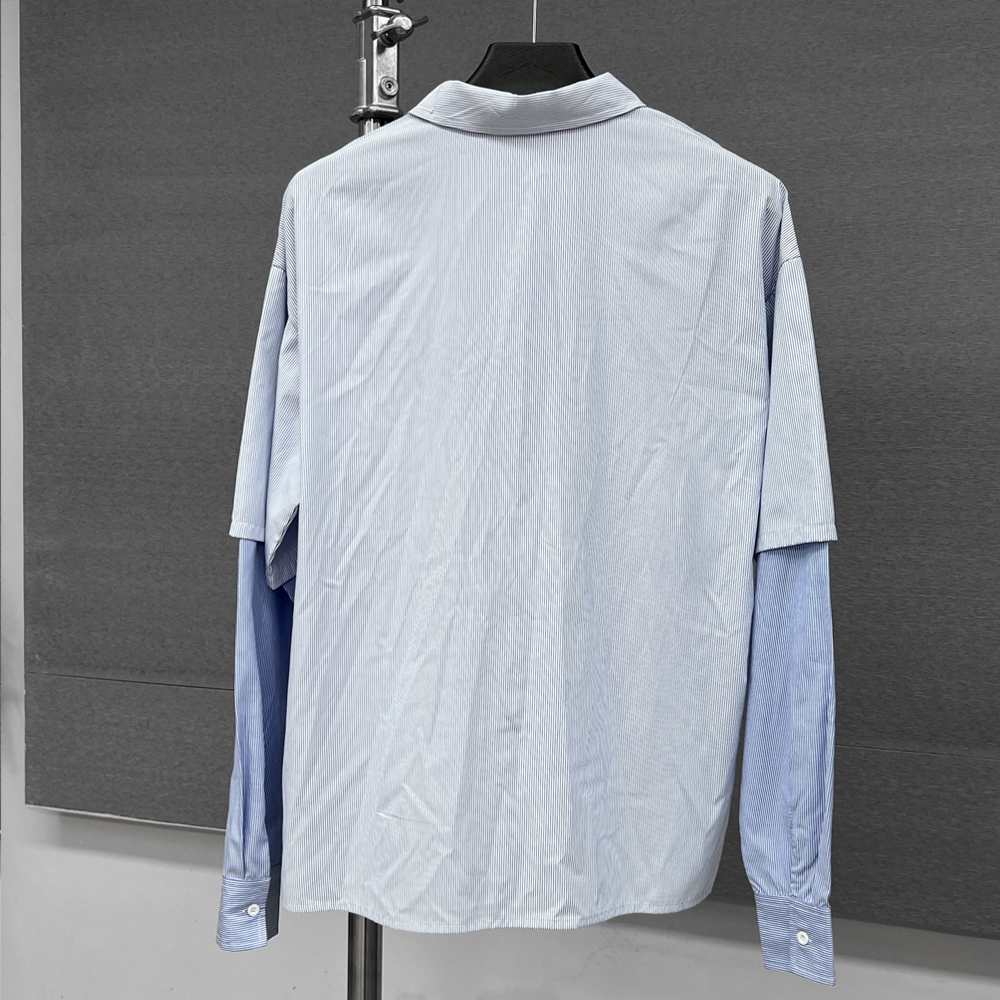
Volume matters when outfitting massive employee bases. Bulk procurement shifts unit economics drastically. Sourcing custom T-shirts simplifies logistics for large-scale operations. They dominate promotional events, merchandise lines, and widespread staff rollouts.
Basic tees offer unmatched economic advantages at scale. Manufacturing simplicity drives these margins. Fewer seams and no collar structures speed up production. You can stretch your procurement budget much further.
Large-scale events require broad sizing distributions. You can order massive quantities without draining financial resources. This agility helps brands sponsor events or outfit seasonal staff effectively. Scaling up a tee program happens rapidly.
Crewnecks provide the ultimate blank canvas. They offer massive unbroken surface areas. You can utilize large-format screen printing easily. Direct-to-garment (DTG) printing thrives on flat, smooth jersey knit.
Collars and plackets physically disrupt printing processes. A placket forces the artwork lower on the chest. Seams interrupt heat transfers. A smooth jersey crewneck removes these physical barriers completely.
Fabric selection dictates functional success. Ring-spun cotton provides a premium retail feel. It feels incredibly soft against the skin. Office teams and casual retail staff appreciate this comfort.
Moisture-wicking synthetics serve active roles perfectly. Construction crews and landscapers need sweat management. Synthetics pull moisture away from the body. We see physically active workforces adopt synthetics rapidly due to comfort.
| Fabric Type | Primary Benefit | Ideal Work Environment |
|---|---|---|
| Standard Cotton | Affordable, standard comfort | Indoor events, giveaways |
| Ring-Spun Cotton | Ultra-soft, retail quality | Modern offices, premium merch |
| Polyester Blends | Moisture-wicking, fast drying | Outdoor labor, fitness staff |
Going too cheap destroys brand value. Fabric weight is measured in GSM (grams per square meter). If GSM drops too low, the garment feels flimsy. Thin fabrics create transparency issues.
Premature stretching plagues low-tier garments. Necklines sag after a few washes. Side seams twist out of alignment. Employees stop wearing shirts looking dilapidated. Maintain a minimum GSM standard to protect your investment.
Common Mistakes: Ignoring fabric weight leads to sheer garments. Never order white cotton tees under 150 GSM for corporate uniforms. They lack opacity and professional structure.
Certain roles demand elevated aesthetics. Sourcing polo shirts wholesale remains the standard for industry trade shows. Field technicians and hospitality staff rely on them daily. They bridge the gap between formal and casual effortlessly.
Customers perceive collared shirts as professional. A structured collar signals readiness. Sales teams close deals more effectively appearing polished. Technicians entering private homes build trust faster wearing collared uniforms.
Hospitality environments strictly enforce collared standards. Valets, concierge staff, and restaurant managers need this visual distinction. It separates staff from patrons clearly. The collar acts as a universal symbol of service.
Corporate logos often require embroidery. Thread adds weight and tension to fabric. Thin jersey knits cannot support dense stitch counts. The fabric puckers, sags, and distorts around the logo.
Piqué knit fabrics solve this problem. The textured weave provides structural integrity. Heavier interlock fabrics also support dense needlework. You need these sturdy foundations to keep embroidered logos crisp and flat.
Corporate wear cycles typically last 12 months. Garments must survive constant washing and wearing. High-quality collared options feature reinforced construction. Taped necklines prevent stretching. Reinforced shoulder seams handle physical stress.
Poly-cotton blends resist shrinking exceptionally well. They hold color dyes firmly. A uniform must look identical in month ten as it did in month one. These structural enhancements guarantee long-term visual consistency.
Low-tier options present specific failure points. "Collar roll" ruins the aesthetic instantly. The collar tips curl upward after laundering. Restrictive arm bands cut into biceps during physical tasks.
Poor breathability plagues cheap 100% polyester variants. Without advanced moisture management, polyester traps heat. Employees sweat excessively indoors. You must specify moisture-wicking treatments when ordering synthetic blends.
Best Practices for Collared Uniforms:
Always request collar stays or reinforced plackets.
Specify ribbed cuffs to prevent sleeve fraying.
Choose combed poly-cotton blends for diverse body types.
Limit embroidery to the left chest to maintain fabric drape.
Decoration methods fail when applied to the wrong fabrics. You cannot force a thick print onto a highly textured shirt. Understanding material compliance saves thousands in wasted inventory. Aligning your artwork to the fabric dictates the final aesthetic.
Heavy embroidery destroys lightweight jersey tees. The heavy backing stabilizer pulls the thin cotton. This creates a permanent sagging effect around the chest. The garment distorts entirely.
Screen printing struggles over textured piqué. The waffle-like surface breaks the ink laydown. Your logo will look cracked or faded immediately. Ink inconsistency ruins brand guidelines. Smooth fabrics require ink; textured fabrics require thread.
All natural fibers shrink. You must set expectations around 100% cotton shrinkage. Typical untreated cotton shrinks between 3-5% after the first hot wash. This alters the fit entirely.
Pre-shrunk blends mitigate this disaster. Poly-cotton blends stabilize the garment dimensions. They survive industrial laundering much better. Educate your staff on proper cold-wash routines to extend garment life.
Corporate colors must remain vibrant. Dark colors perform poorly on 100% cotton over time. Black and navy cotton fades to dull grey quickly. Frequent home washing strips the dye from natural fibers.
Polyester blends lock in dye permanently. The synthetic fibers hold color through aggressive washing. Industrial laundering requires synthetic blends. If your brand relies on stark black or bright red, avoid pure cotton.
| Fabric Type | Best Decoration | Shrinkage Risk | Color Fastness |
|---|---|---|---|
| 100% Cotton (Lightweight) | Screen Print / DTG | High (3-5%) | Low (Fades over time) |
| Poly-Cotton Blend | Heat Transfer / Light Embroidery | Low | Medium-High |
| 100% Polyester (Performance) | Sublimation / Vinyl | Very Low | Very High |
| Heavyweight Piqué | Heavy Embroidery | Medium | High |
Execution matters as much as fabric selection. Ordering bulk apparel involves complex logistics. You must manage size distribution accurately. Misjudging sizing leaves some employees uncomfortable and others without uniforms entirely.
Supplier pricing structures scale differently across garment types. Basic tees hit deep price breaks quickly. You can trigger massive discounts at lower volume thresholds. Their simple construction encourages rapid mass production.
Structured options require higher thresholds for maximum discounts. The intricate sewing process limits production speed. You must analyze these tiered breaks carefully. Consolidating orders annually often unlocks better supplier tiers than ordering quarterly.
Never guess employee sizes. Provide an evidence-based approach to ordering distribution. Inclusive sizing matters deeply. You must accommodate sizes from XS to 4XL seamlessly. A standard bell-curve distribution often fails in specialized industries.
Manage the fit differences actively. Unisex cuts run large on women. Tailored cuts frustrate employees preferring loose fits. Offer women’s specific cuts alongside standard options. Proper fit drives wearer compliance and boosts daily morale.
Never commit to a bulk run blindly. Implement strict sample testing protocols immediately. Request both blank and fully decorated samples. You need to touch the fabric and inspect the stitching.
Test wash durability in a home washing machine. Check wearer comfort across a full eight-hour shift. Verify true-to-size accuracy before finalizing purchase orders. A sample test reveals hidden flaws suppliers will not advertise.
Order blanks: Verify fabric weight and drape.
Order decorated samples: Check for logo distortion or ink cracking.
Conduct wash tests: Wash on hot and dry on high to measure shrinkage.
Field test: Have an employee wear it during an active shift.
Selecting the ideal wholesale garment determines the success of your uniform rollout. Choose tees for high-turnover, high-comfort, and print-heavy needs. They dominate casual environments and promotional events. Choose polos for longevity, embroidered branding, and client-facing professionalism. They establish authority instantly.
Take immediate action to secure your apparel program. Audit your current uniform pain points directly with your staff. Establish a strict decoration budget mapping to your chosen fabric. Finally, request fabric samples from shortlisted suppliers to verify quality firsthand.
A: Yes, many suppliers allow mixed-style invoicing. You can combine different garments to meet aggregate minimum order quantities (MOQs). However, the decoration methods must often align. Switching between screen printing and embroidery on the same run usually incurs separate setup fees.
A: Collar curling happens primarily with low-quality, untreated cotton. Prevent this by selecting blended fabrics containing polyester. Ensure the garments feature built-in collar stays or reinforced placket stitching. Always instruct staff to wash uniforms in cold water and remove them promptly from dryers.
A: Combed poly-cotton blends offer the safest versatility. They provide a forgiving drape that flatters diverse body types. The polyester adds stretch and structural stability. The combed cotton ensures softness against the skin. This blend prevents extreme shrinkage, keeping sizing consistent.
A: Embroidering standard lightweight cotton often fails. The heavy thread causes puckering. If you must embroider a tee, keep the stitch-count very low. You must use backing stabilizers on garments under 150 GSM. Alternatively, upgrade to a heavyweight cotton variant to support the needlework.


