Views: 0 Author: Site Editor Publish Time: 2026-09-23 Origin: Site
Finding the perfect balance between breathable athletic wear and modesty often creates a frustrating dilemma. Shoppers frequently worry about exposing too much. No one wants their gym apparel turning into a sheer spectacle under harsh overhead lights. You might wonder how a fabric built entirely of tiny holes can possibly conceal what lies underneath. The truth is quite simple. Visual opacity depends entirely on specific construction methods. Layers, fabric weight, lining, and color choices all determine whether your shorts reveal too much. This buyer’s guide delivers a clear, evidence-based framework to solve this common wardrobe issue. We will help you evaluate product specifications accurately. You will learn exactly what to look for. By understanding the core mechanics of mesh fabrics, you can buy mesh shorts with confidence. You can easily select the right garments for intense athletic performance, coordinated team uniforms, or specific fashion uses.
Construction dictates opacity: Single-layer mesh is inherently semi-sheer; double-layer mesh shorts are required for standard athletic opacity.
Color amplifies risk: White and light-colored mesh shorts require specific lining configurations (like compression or built-in briefs) to avoid transparency under harsh gym lighting.
Lining is non-negotiable for high-movement: If avoiding visibility is the goal, unlined mesh shorts are generally unsuitable for deep squats or intense lighting without secondary base layers.
Specifying for custom orders: When ordering custom lined mesh shorts for teams or brands, evaluating fabric GSM (grams per square meter) is the most reliable metric for opacity.
People constantly ask, are mesh shorts transparent by default? The answer lies in textile engineering. Textile manufacturers define mesh as a loosely woven or knitted fabric. It features closely spaced holes designed specifically for maximum ventilation. These perforations allow body heat to escape and cool air to enter. However, they also create direct visual pathways through the material.
We must establish a clear baseline. By definition, a single layer of standard athletic mesh remains semi-transparent when held up to the light. The knit structure inherently lacks the dense thread count needed to block light transmission. If you hold a single piece of standard polyester mesh toward a window, you will easily see the silhouette of your hand behind it.
The situation intensifies during physical activity. Gym-goers frequently experience the dreaded "squat test" reality. Stretching the fabric across your body physically expands the knit. This tension widens the microscopic holes in the material. As those gaps open, they dramatically increase the visibility of bare skin or undergarments underneath. A garment might look perfectly opaque on a store hanger. It can quickly become see-through the moment you bend, lunge, or stretch.
We must differentiate between intended use cases here. Athletic performance demands full coverage and privacy. Athletes require fabrics engineered to block visibility entirely during extreme movement. Conversely, the niche fashion and streetwear markets often embrace transparency. Some designers intentionally use wide-gauge mesh to create sheer, breathable layers over distinct undergarments. Your intended environment dictates exactly how much opacity you truly need.
You cannot judge a garment's coverage simply by looking at a tiny online photo. Construction methods dictate performance. Buyers must understand the massive difference between single and double-layer designs.
Single-layer construction prioritizes maximum airflow. These shorts are highly breathable and feel exceptionally light on the body. However, they offer zero guarantee of opacity. Light passes right through the single barrier of perforated fabric. If you choose single-layer garments, you must provide your own reliable base layer. Most athletes pair them over solid compression tights or dark, full-coverage underwear to maintain modesty.
Conversely, double-layer mesh shorts serve as the absolute industry standard for athletic modesty. This design combines a classic perforated outer shell with a tightly woven, solid inner layer. The outer mesh provides the traditional sporty aesthetic and initial airflow. The solid interior layer blocks light from passing through. This dual-layer approach effectively neutralizes the transparency issue without adding excessive bulk.
To truly evaluate product quality, buyers should look beyond basic product photos. You should check the garment's GSM specifications. GSM stands for grams per square meter. It measures the physical weight and density of the fabric. Higher GSM indicates a denser, heavier material. Standard acceptable ranges for non-transparent athletic wear typically fall between 150 and 200+ GSM combined weight. If a brand refuses to list the GSM or fabric weight, you should proceed with caution.
Fabric Weight and Construction Comparison Chart
| Construction Type | Average GSM Range | Opacity Level | Best Use Case |
|---|---|---|---|
| Single-Layer Mesh | 80 - 120 GSM | Low (Semi-Sheer) | Layering over compression tights, casual streetwear. |
| Double-Layer Mesh | 150 - 220 GSM | High (Opaque) | Team sports, gym workouts, standard athletic wear. |
| Heavyweight Double-Layer | 250+ GSM | Maximum (Blockout) | Premium streetwear, professional basketball uniforms. |
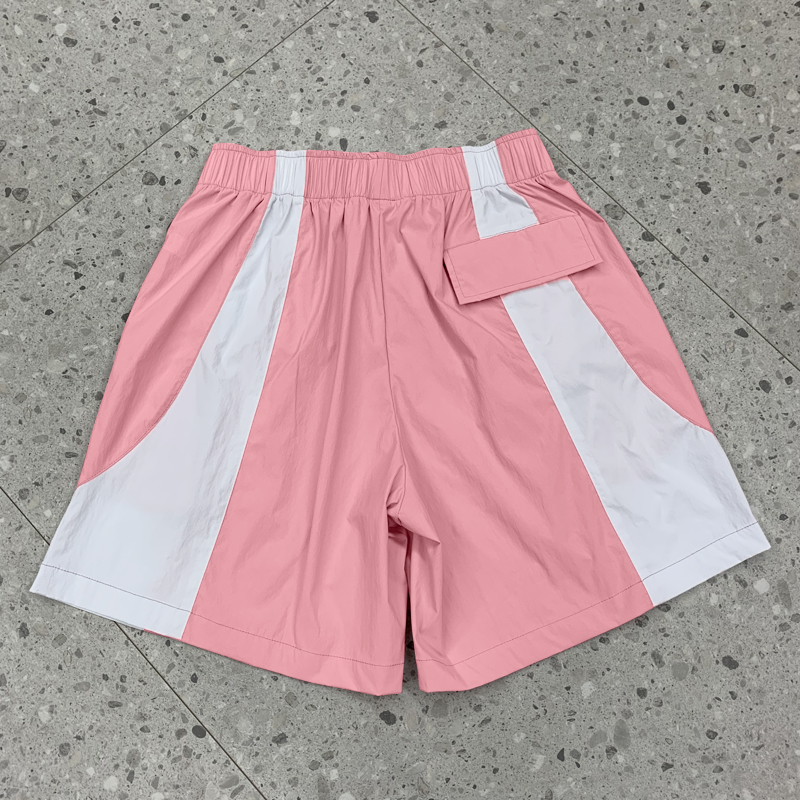
Understanding mesh shorts lining is vital for anyone prioritizing coverage. Fabric weight alone cannot always stop awkward transparency. Manufacturers utilize various lining strategies to protect the wearer.
Built-in brief liners represent the most traditional approach. They provide basic modesty and structural support. However, they often leave the lower thigh area of the outer shell completely sheer. You might have total coverage around your waist and hips, but your legs remain visible through the mesh. Furthermore, brief liners frequently bunch up during intense running or jumping. This common consumer complaint leads many buyers to cut the inner briefs out entirely. Removing this liner instantly increases transparency risks, turning a safe garment into a potential gym hazard.
Built-in compression liners, often called 2-in-1s, solve this problem beautifully. They offer the most reliable solution for full opacity. These liners extend down the thigh, mimicking tight biker shorts. They block all light transmission while simultaneously preventing inner-thigh chafing. Athletes favor 2-in-1 designs for heavy athletic use because they never shift, bunch, or expose the skin during deep stretches.
If you prefer a simpler design, you might encounter unlined mesh shorts. These carry a very high risk for transparency unless they utilize a heavy double-layered fabric. Without a built-in protective layer, unlined options require careful wardrobe planning. They are best reserved for casual lounging around the house or serving as quick swim cover-ups at the beach. If you wear them to the gym, you absolutely must pair them with dedicated, solid-color athletic underwear.
Fabric color plays a surprisingly aggressive role in how much a garment reveals. The dreaded white shorts dilemma haunts many athletes. White and pastel fabrics reflect light poorly from the inside while transmitting external light easily. They act almost like a frosted window. If you wear dark or highly patterned undergarments beneath white mesh, the contrast will show through instantly. Real-world feedback from tennis communities and gym veterans confirms this reality. White mesh demands significantly heavier lining than black, navy, or dark green mesh to achieve the exact same level of visual opacity.
Lighting conditions dramatically alter garment performance. You might test your outfit in a dimly lit bedroom and feel perfectly secure. However, overhead fluorescent gym lighting pierces through thin synthetic fabrics mercilessly. These harsh, multidirectional lights expose thin spots in the material.
Backlighting presents another major threat. Imagine standing outdoors with the afternoon sun shining directly behind you. Natural outdoor sunlight creates a strong silhouette effect. Even darker single-layer garments fall victim to this backlighting. The light outlines your legs and undergarments, overriding the dark color of the outer shell. You must account for your environment before assuming your apparel provides total privacy.
We cannot ignore the growing niche consumer demand for totally see-through garments. Not everyone buys athletic gear to sweat in the gym. Festival wear, progressive streetwear, and specific fashion subcultures actively embrace sheer aesthetics. They utilize clothing to make bold, expressive statements.
You can easily distinguish these fashion-focused products from true athletic wear. Fashion garments typically use a much wider gauge knit. They feature noticeably larger holes in the textile. Furthermore, they completely omit any secondary modesty layer. The designers want you to see the skin or the stylized undergarments beneath.
If you are shopping for sheer fashion rather than gym utility, your buying criteria must shift. You should focus on how the fabric drapes across the body. Pay attention to the hole size and the quality of the edge binding. GSM and strict opacity standards do not matter here. Instead, evaluate the garment based on its visual texture and how it complements the rest of your outfit.
Shopping for athletic apparel does not need to feel like a gamble. You can use a structured approach to guarantee you get exactly what you need. Ensuring you buy proper opaque sports shorts requires checking both specifications and fit.
For individual athletes shopping online or in stores:
Read the specs closely: Always look for the terms "double-layer" or "compression-lined" in the product description. These keywords indicate built-in opacity.
Analyze user reviews: Do not just look at the star rating. Search the review text specifically for keywords like "squat proof," "sweat test," or "gym lighting." Fellow athletes will quickly call out a sheer product.
Check your fit: A garment stretched too tight will turn sheer. Reviewing sizing charts ensures the knit remains relaxed.
For brands and team sourcing managers:
Demand physical proof: When specifying custom lined mesh shorts for a team, never rely on digital mockups alone. Always require physical samples before placing bulk orders.
Conduct stress tests: Subject the samples to direct tension. Pull the fabric apart in a stretch test to simulate deep lunges. Hold the fabric up against strong backlighting to simulate outdoor stadium lights.
Specify smart contrasts: If your team requires a light-colored outer shell (like white or yellow), specify dark interior linings (like grey or black). This creates an optical block that stops light transmission entirely.
We can definitively conclude that mesh apparel is not universally see-through. Its visual opacity relies entirely on intelligent, deliberate manufacturing choices. Fabric weight, lining styles, and smart color combinations all work together to protect your privacy. Buyers must actively prioritize double-layering or reliable compression liners to guarantee full coverage during heavy movement. Do not let harsh gym lighting catch you off guard. We encourage you to evaluate your current shopping options using the GSM and lining criteria discussed above. Take control of your athletic wardrobe and browse vetted collections that guarantee opaque, stress-free performance.
A: No, but they carry a much higher risk. White fabric reflects less interior light, exposing contrast underneath. To ensure opacity, white variations require heavy double-layering or thick built-in compression liners. Always wear seamless, nude-colored undergarments beneath white athletic wear for maximum discretion.
A: Yes, many consumers cut out standard brief liners because they chafe or bunch up during exercise. However, doing so instantly ruins the garment's opacity. If you hate brief liners, we recommend purchasing 2-in-1 compression-lined styles or pairing unlined versions with high-quality athletic underwear.
A: You can, but you must take precautions. Unlined, single-layer mesh becomes semi-transparent under harsh fluorescent gym lights and sheer when stretched during squats. You must wear dedicated, solid-color compression tights or dark, full-coverage underwear beneath them to avoid exposing yourself.
A: Tricot lining is a lightweight, solid knit fabric often used as a loose inner drop-layer. It blocks light but offers no physical support. A compression liner fits tightly against the skin, extending down the thighs. It blocks light, provides muscle support, and actively prevents skin chafing.
A: Perform the "squat test" in a well-lit room. Put them on and perform a deep squat in front of a mirror with bright overhead lighting. Alternatively, stretch the fabric tightly over your hand while standing in front of a bright window. If you see skin tones, they are transparent.


