Views: 0 Author: Site Editor Publish Time: 2026-10-23 Origin: Site
The hooded sweatshirt remains an absolute wardrobe staple. However, as we navigate the 2026 apparel market, the debate between zippered and solid-front silhouettes is intensifying. For clothing brand owners, corporate merchandise buyers, and retail managers, selecting the right inventory is a critical bottom-line decision. Stocking the wrong style leads to stagnant sales and dead inventory. Conversely, pinpointing the perfect fit boosts brand loyalty and maximizes seasonal revenue.
This technical guide breaks down the ultimate apparel debate from a manufacturing and engineering perspective. We will explore structural pros and cons, upcoming consumer shifts, and practical production details. Ultimately, this framework will help you choose the perfect base for your custom hoodies to guarantee customer satisfaction.
Understanding the fundamental structural differences between these two garments prevents costly production mistakes. Both styles share the same basic knit DNA. Yet, their construction dictates entirely different use cases, aesthetic profiles, and manufacturing processes.
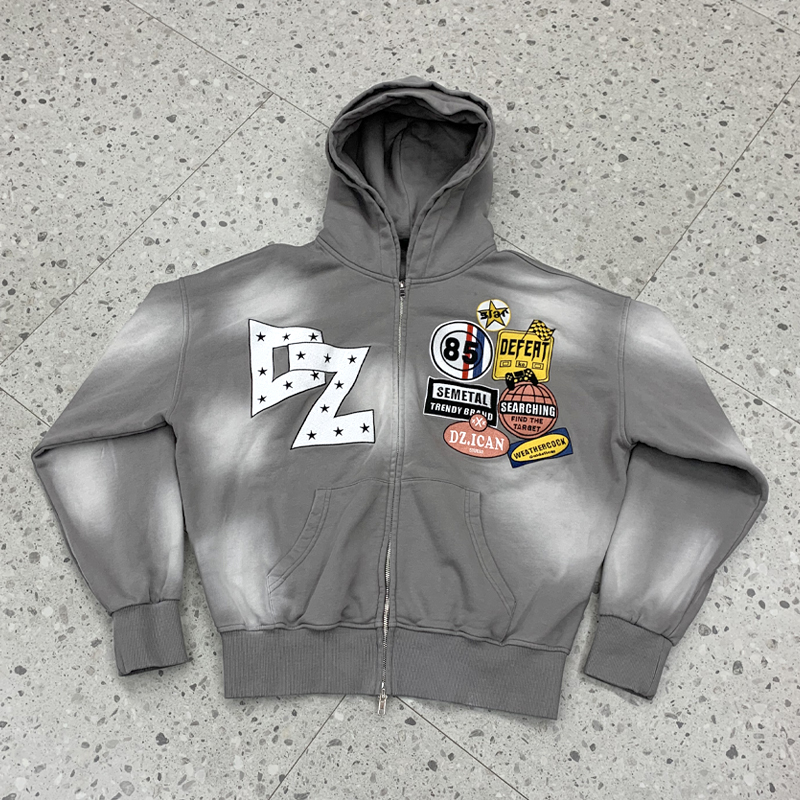
The most obvious distinction lies in the front closure mechanism. A zippered garment features a vertical split down the center front. This allows it to open completely like a light jacket. This design requires robust hardware, typically a metal or molded plastic track, along with reinforced stitching. Conversely, the solid-front alternative features a continuous fabric panel. The wearer must pull the piece over their head.
This structural difference directly impacts pocket placement. The solid front traditionally features a unified kangaroo pouch. This single large pocket is sewn directly onto the lower abdomen. The alternative utilizes split pockets divided evenly by the central track. While both offer hand warmth, the unified pouch generally provides a more secure and spacious area for personal items.
The presence or absence of front hardware significantly alters how the garment drapes on the body. A central track adds a rigid vertical axis to the chest. Consequently, these garments fall straighter and closer to the torso. This results in a more tailored or structured appearance.
Take away that rigid center line, and the fabric relaxes. This uninterrupted stretch allows for a slouchier fit. The fabric moves uniformly across the chest. In contrast, a split front may experience uneven tension depending on the wearer's movements.
For many active consumers and retail brands, zip-up hoodies serve as the ultimate utilitarian layering piece. They bridge the gap between a lightweight autumn jacket and a traditional cozy mid-layer. However, their complex construction brings both distinct advantages and notable manufacturing drawbacks.
Dynamic Layering: Picture stepping out of an intense gym session into a crisp evening breeze. The open-front design allows users to effortlessly shed or add layers. Wearers do not have to wrestle heavy fabric over their heads. This preserves hairstyles and glasses, making it highly preferred in active environments.
Precise Climate Control: Wearers can micro-adjust their body temperature instantly. By wearing the garment fully open or zipped to the chin, they adapt to fluctuating environments. This adaptability makes it ideal for transitional spring or autumn weather.
Smart-Casual Appeal: Looking toward 2026 fashion forecasts, the structured front fits seamlessly into the modern hybrid workplace. A fitted, high-quality knit paired with clean denim offers a sharp, put-together aesthetic.
Hardware Vulnerabilities: Introducing a mechanical component creates a point of failure. Tracks can snag, derail, or break entirely. Furthermore, cotton fabric often shrinks slightly after repeated laundering. Rigid plastic or metal does not shrink. This discrepancy creates a wavy, buckling effect down the chest, known in the apparel industry as the dreaded zipper bulge.
Customization Roadblocks: For brands, the central split is a significant obstacle. It divides prime chest real estate. Making large, centered graphic designs line up perfectly is incredibly difficult. Screen printing over a seam often leads to ink buildup, cracking, and an unprofessional finish.
The classic over-the-head silhouette is an enduring staple of modern casual wear. Its minimalist construction provides a different set of benefits. These advantages have cemented its status in urban fashion, collegiate apparel, and deep winter wardrobes.
Maximum Thermal Retention: Without a central break in the fabric, freezing air cannot penetrate the chest. The continuous front panel acts as an uninterrupted shield against the wind. This retains body heat far more effectively. High-density pullover hoodies are the undisputed champions for harsh winter climates.
The Ultimate Print Canvas: The smooth, unbroken front panel is a print engineer's dream. It accommodates massive, bold, and highly detailed graphics across the entire chest. This expansive canvas is the primary reason streetwear labels overwhelmingly favor this style.
Long-lasting Durability: Simplicity breeds longevity. With no mechanical hardware to snap or warp in the dryer, these garments boast a longer functional lifespan. As long as the heavy-duty stitching holds up, the piece remains fully wearable for years.
Layering Friction: The primary drawback is the physical effort required for removal. Pulling a thick sweatshirt over your head in a crowded subway can feel incredibly cumbersome.
Fit Limitations: The enclosed design can sometimes feel restrictive depending on the fabric weight. Because the neckline must stretch over the shoulders, it may feel slightly claustrophobic for some wearers if the garment is tailored too tightly.
To make data-driven inventory decisions, businesses must look ahead. Industry analysts tracking the 2026 apparel landscape note a distinct polarization in consumer behavior. The market is rapidly moving away from middle-of-the-road basics. Buyers are gravitating toward highly specialized garments tailored to specific daily rituals.
The dominance of the oversized fashion movement shows zero signs of slowing down. This trend heavily favors heavyweight, drop-shoulder silhouettes. Gen Z consumers actively seek out boxy fits and ultra-thick fabrics, often demanding 500gsm French Terry. They treat the sweatshirt as a standalone outerwear piece rather than a mid-layer. The ability to drape loosely without structural interruption makes the solid-front design the definitive choice here.
Conversely, the ongoing evolution of hybrid corporate cultures drives massive demand for sleek layering options. Corporate professionals utilize high-quality, fitted zippered tops as alternative blazers. These consumers prioritize clean lines, subtle branding, and technical fabrics. The garment serves as a functional piece that looks professional enough for a morning video call but remains comfortable for afternoon remote work.
Regardless of the structural style chosen, 2026 consumers demand radical transparency and eco-friendly manufacturing. There is an industry-wide shift toward organic cotton and non-toxic dyes. Brands offering certified sustainable materials currently see significantly higher conversion rates.
| Feature | Zip-Up Style | Pullover Style |
|---|---|---|
| Front Construction | Split with metal/plastic hardware | Continuous seamless fabric panel |
| Best Target Audience | Athleisure, corporate uniforms, gym goers | Streetwear brands, promotional merch, Gen Z |
| Ideal Print Method | Left-chest embroidery, sleeve prints | Large center-chest screen prints, DTF transfers |
| Thermal Retention | Moderate to Good | Excellent |
| 2026 Trending Fabric | Lightweight technical blends | 500gsm heavyweight French Terry |
When ordering inventory in bulk, the financial implications of choosing one construction over the other significantly impact profit margins. It is essential to break down the hidden cost variables associated with production and customization.
From a manufacturing standpoint, zippered styles generally carry a higher baseline cost. The inclusion of hardware adds direct material expenses. Furthermore, sewing a track into a garment requires specialized machinery and precise panel alignment. This demands additional labor time compared to stitching a simple solid front. Consequently, bulk sourcing for split-front designs requires a slightly higher initial capital investment.
Customization costs fluctuate wildly between the two styles. Solid-front garments offer highly cost-effective screen printing. A standard printing platen easily accommodates the flat surface. This allows for rapid, high-volume production runs with minimal setup adjustments.
In contrast, printing on a split front can skyrocket customization expenses. If a brand insists on printing near the center, print shops must use specialized grooved platens. This prevents the print head from striking metal. It slows down production time and incurs premium handling fees. For this reason, many businesses opt for smaller embroidery. While looking premium, embroidery can be more expensive per unit than a standard flat ink pull.
Making the final purchasing decision requires aligning your brand goals with the practical realities of garment construction. There is no universally better option. There is only the best option for your specific use case. Utilize the following strategic framework to mitigate the risk of unsold inventory.
Analyze your demographic data. If your audience consists of fashion enthusiasts, skaters, or college students, the oversized solid-front is the most profitable bet. If you are outfitting corporate professionals or a demographic that values convenience, the split-front is superior.
Consider the daily use case. For maximum winter warmth and outdoor lounging, the wind-blocking nature of the solid front wins. For activewear, gym commutes, or fluctuating office temperatures, the dynamic temperature regulation of the open-front design is unmatched.
Look closely at your artwork. If your brand relies on massive, intricate chest graphics or bold typography, you must choose a solid canvas. If your branding is minimalist and relies on subtle embroidered logos, the zippered option provides a premium functional base.
Both silhouettes hold immense commercial value as we move deeper into 2026. Their ultimate success depends entirely on correctly matching the structural design to your target demographic.
Solid fronts reign supreme for sheer comfort, bold streetwear aesthetics, and displaying large custom prints. Meanwhile, hardware-equipped styles dominate the athleisure, corporate, and practical layering markets thanks to their unmatched versatility.
Ready to bring your brand to life and scale your apparel line? Start your custom production journey with careful planning and expert craftsmanship. Explore premium collections of customizable pieces at Yite Clothing to find the perfect fit for your 2026 lineup today. Ensure your inventory resonates perfectly with your audience and maximizes your revenue.
Yes, they offer superior thermal retention. Because they lack a front break in the fabric, there is no pathway for cold air to penetrate. The continuous front panel acts as an uninterrupted barrier. It traps the wearer's body heat much more effectively than a garment with a metal or plastic track down the center.
Solid-front styles are universally considered better for large, centered front logos. The uninterrupted fabric across the chest provides a smooth, flat canvas ideal for large-scale screen printing and DTF transfers. Conversely, zippered styles are much better suited for small left-chest logos, subtle embroidery, or large graphics placed exclusively on the back panel.
This common issue is known in the apparel industry as a zipper wave or zipper bulge. It is primarily caused by differential shrinkage during the laundering process. The cotton fabric naturally shrinks slightly when exposed to hot water and dryer heat. The rigid plastic or metal track does not shrink. The excess track length has nowhere to go, causing it to warp and buckle down the front of the garment.
For streetwear and oversized fashion trends, 500gsm French Terry is highly recommended. It provides the premium, heavy drape that Gen Z consumers currently demand. For corporate uniforms or athleisure wear, a lighter 300gsm to 350gsm fleece blend offers better mobility and dynamic layering capabilities.
While technically possible, print engineers highly discourage it. Printing over metal or plastic teeth causes uneven ink distribution. It leads to severe cracking and can physically damage the print heads. It is always better to design around the split or use a solid-front garment for center-chest graphics.