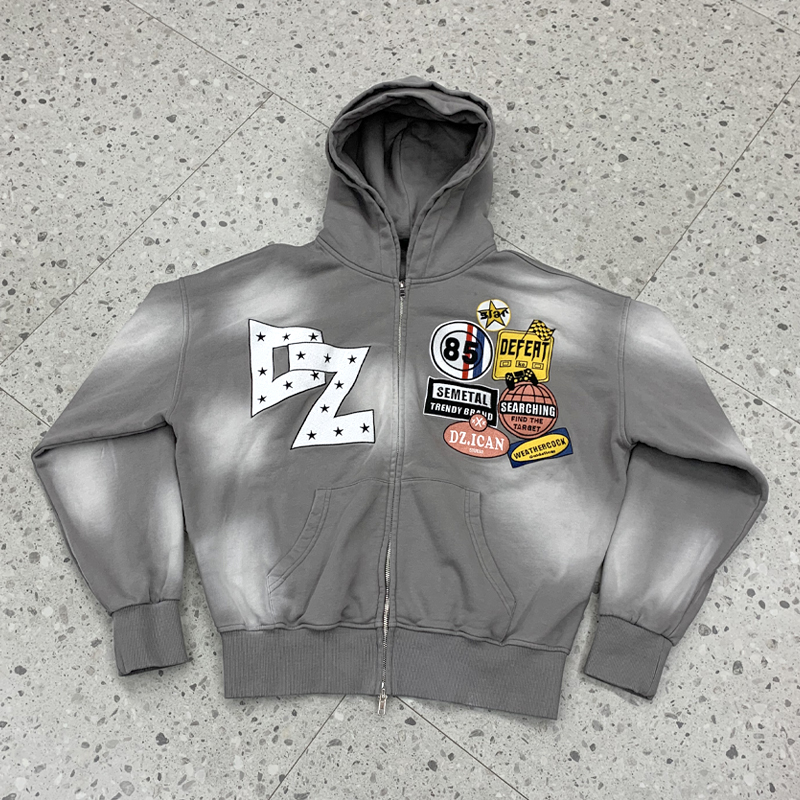
Views: 0 Author: Site Editor Publish Time: 2026-10-31 Origin: Site
Picture this familiar scenario. You finally find that perfectly slouchy, ultra-comfortable pullover. You wear it on a crisp autumn evening. Then, you toss it in the wash with your regular laundry. What comes out looks like a toddler-sized crop top. The vibrant color has morphed into a dull, chalky wash. The once-snug collar now hangs loosely around your collarbone.
When this rapid deterioration happens, we tend to blame the washing machine or a harsh new detergent. However, as textile engineers, we know the real culprits lie much deeper. The specific knit structure, fabric quality, and construction methods utilized on the sewing floor dictate a garment's true lifespan.
Recent industry analyses highlight a massive shift in consumer expectations. Fast fashion fatigue has led shoppers to demand higher GSM, or Grams per Square Meter, fabrics alongside transparent manufacturing processes. As raw cotton prices fluctuate globally, some factories quietly increase synthetic ratios or rush their dyeing processes to maintain margins. This drastically alters how a piece of clothing ages in your closet.
This comprehensive guide dives deep into the anatomical structure of everyday staples. By examining how material choices interact with manufacturing techniques, we can better understand garment longevity. Whether you are purchasing a premium piece for your personal wardrobe or looking to manufacture your own line of custom hoodies, mastering these foundational elements is the definitive key to ensuring structural integrity and enduring style.
Understanding why your favorite pullover shrinks requires looking past the laundry room. We must examine fabric behavior at a microscopic level. Shrinkage is rarely a random accident. It is a highly predictable physical reaction to moisture, mechanical agitation, and thermal energy.
To grasp the mechanics of shrinkage, we first evaluate the raw materials. Natural fibers, particularly pure cotton, possess a highly hydrophilic nature. When submerged in a washing machine, they naturally absorb moisture and swell laterally. During the initial textile manufacturing process, cotton yarns are pulled and placed under immense tension to knit the fabric panels. Consequently, when water acts as a lubricant during a wash cycle, those stretched fibers relax. They revert to their natural, shorter state. In textile science, this phenomenon is widely known as relaxation shrinkage.
Conversely, blending cotton with synthetic fibers like polyester stabilizes the delicate fabric matrix. Polyester fibers are essentially extruded plastics. They are hydrophobic, meaning they do not absorb water or swell like natural cellulose. By utilizing a poly-cotton blend, manufacturers create a structural scaffold that mitigates tension release. This significantly reduces the overall percentage of shrinkage a garment will ultimately experience.
While water initiates fiber swelling, heat acts as the aggressive catalyst. Washing garments in hot water expedites the relaxation of natural fibers. However, the most severe and irreversible damage typically occurs inside the tumble dryer. Subjecting wet fabric to high-heat tumble drying provides a destructive combination of intense thermal energy and violent mechanical agitation. Think of the yarns like stretched rubber bands frozen in place. Intense heat thaws them out rapidly, forcing the yarns to violently snap back to their unstretched state. Minimizing thermal exposure is absolutely critical to preserve original factory dimensions.
There are few things more frustrating than watching a jet-black top degrade into a washed-out shade after just a few months. Color degradation is a complex chemical process driven by dye quality, fabric compatibility, and environmental exposure.
The long-term vibrancy of any apparel is fundamentally tied to how well dye molecules bond with fabric fibers. Cheaper dyes often rely on weak surface adhesion rather than strong chemical bonds. After repeated washing, the mechanical friction of the agitator simply scrubs these loose dye particles away, bleeding color into the water.
Furthermore, different textiles demand entirely different dyeing processes. Synthetic fibers are typically dyed using disperse dyes under extreme heat. This permanently locks the color deep inside the synthetic core. Untreated natural cotton requires reactive dyes to form a covalent bond with the cellulose. If a factory rushes the dyeing process to cut costs, or lacks proper chemical fixatives, cotton will bleed and lose its saturation much faster than synthetic counterparts.
Beyond the mechanical beating of the wash cycle, environmental factors play a massive role. Ultraviolet radiation from direct sunlight is highly destructive. Prolonged exposure carries enough energy to literally break the chemical bonds of dye molecules. This destructive process is known as photodegradation. Chemical exposure during routine washing also accelerates fading. Heavy-duty laundry detergents often contain optical brighteners and harsh enzymes. Over time, these caustic chemicals strip dye from the surface. Additionally, washing in hard water causes mineral buildup that diffuses light differently, making colors appear dull even if the underlying dye remains intact.
A garment that sags lazily at the waist or bags awkwardly at the elbows has suffered a catastrophic loss of structural integrity. This permanent deformation is directly linked to fabric density and the specific knit utilized during production.
In the apparel industry, fabric weight is objectively standardized using GSM. A higher GSM indicates a denser, thicker, and generally more robust fabric. Standard lightweight garments typically fall between 200 and 250 GSM. In contrast, premium Heavyweight hoodies range from 350 GSM up to a rugged 500 GSM.
Because the manufacturing process involves packing thicker yarns densely together, a heavyweight knit structure has very little physical room to deform. When mechanical pressure is applied, the dense matrix resists the stretch. It possesses the rigid memory required to bounce back to its original form. Lightweight blends with looser knits simply yield to pressure, leading to permanent sagging.
The interior texture of the fabric also dictates how well a garment maintains its pristine shape. The two most prominent knits dominating the industry are looped French Terry and brushed fleece.
| Feature | 500 GSM French Terry | Standard 300 GSM Fleece |
|---|---|---|
| Interior Texture | Unbrushed, intact yarn loops | Mechanically brushed, broken yarns |
| Structural Integrity | Maximum durability, retains tailored drape | Prone to sagging and stretching over time |
| Breathability | High air circulation, moisture-wicking | Traps heat, low breathability |
| Pilling Resistance | Excellent resistance to friction | High risk of pilling under arms |
French Terry features unbrushed, intact yarn loops on the interior surface. This construction offers exceptional breathability and superior structural integrity. Because the loops remain uncut during production, the fundamental strength of the yarn is fully preserved. This makes French Terry hoodies highly resistant to pilling and thinning.
Traditional fleece undergoes a harsh mechanical brushing process on the inside. Industrial wire brushes tear the top layer of the yarn loops to create a soft, fuzzy texture. While this maximizes cold-weather insulation, breaking the yarns inherently weakens the overall skeletal structure. Poorly manufactured fleece hoodies will rapidly lose their plushness and stretch out much faster than French Terry alternatives.
Premium fabric quality is only half the equation. Exactly how precisely cut panels are joined together determines whether the piece will withstand the test of time. Poor construction techniques cause even the most expensive fabrics to unravel or droop.
The specific areas experiencing the most intense mechanical stress are the cuffs, the bottom waistband, and the collar. To prevent these high-traffic zones from stretching out permanently, manufacturers engineer them using ribbed knit fabrics. High-quality ribbing incorporates a calculated percentage of elastane or spandex, usually around 3 to 5 percent, woven directly into the cotton. This vital addition provides recovery stretch, ensuring cuffs snap back tightly around your wrists.
Seam construction is equally critical. Standard single-needle stitching is highly prone to snapping under daily tension. Purpose-built garments utilize double-needle cover-stitching along the shoulders, armholes, and waistband. This advanced technique flattens the seam to prevent uncomfortable chafing. More importantly, it distributes physical stress evenly across two rows of interlocking thread.
The theoretical benefits of heavy fabrics and reinforced seams only materialize if the manufacturing facility adheres to rigorous standards. Rushed sewing lines or improper thread tension lead to immediate structural failure. Brands prioritizing longevity must partner with facilities implementing strict quality control standards. This encompasses pre-shrinking fabrics before cutting and meticulously inspecting seam strength.
While manufacturers bear the heavy responsibility of producing a durable product, the consumer plays an equally critical role. Adopting evidence-based laundry practices drastically slows down chemical and mechanical degradation.
To protect both the physical structure and delicate dye bonds, you must actively minimize heat and friction. Always turn the garment completely inside out before placing it in the washing machine. This simple step ensures the visible exterior surface is shielded from abrasive friction, effectively preventing pilling.
Set your washing machine to a cold water cycle exclusively, ideally below 30 degrees Celsius. Cold water prevents natural cotton fibers from relaxing and keeps dye molecules chemically stable. Utilize a mild, liquid detergent rather than heavy-duty abrasive powders. Washing similar textures together further reduces the risk of mechanical surface damage.
The drying phase is where the vast majority of irreversible structural damage occurs. High-heat tumble drying should be avoided at all costs. The brutal combination of intense thermal energy and mechanical tumbling warps delicate elastane fibers hidden in the cuffs.
Instead, air drying is highly recommended. However, hanging a water-logged garment on a standard plastic coat hanger causes sheer water weight to pull down aggressively on the fabric. This permanently stretches out the shoulders. The absolute best practice is to lay the item flat on a ventilated drying rack. Once completely dry, fold it and store it flat on a shelf to remove constant gravitational stress.
For discerning consumers and emerging streetwear brands looking to avoid frustrating pitfalls, the ultimate solution lies in controlling production variables. Purchasing off-the-rack often means compromising on fabric density, dye quality, or hidden construction standards.
When you choose to manufacture bespoke apparel, you entirely eliminate the guesswork. Customization allows you to dictate the exact specifications required for your specific use case. A premium streetwear brand can specify a 500 GSM heavyweight French Terry to ensure maximum structural integrity and a high-end drape. By taking the time to explore extensive customization options, you ensure raw materials are pre-shrunk and dyes are highly resistant to photodegradation.
The success of any custom project relies entirely on the technical capability of the manufacturing partner. When sourcing a supplier, look for facilities offering transparent data on fabric testing, modern stitching techniques, and eco-friendly dye processes. A reliable manufacturer proactively provides options for spandex-blended ribbing and colorfast guarantees. If you are ready to build a product line that survives the extreme rigors of daily wear, partnering with a professional manufacturer like Yite Clothing ensures your designs maintain their intended shape and vibrancy for years to come.
The rapid degradation of your favorite garments is not an inevitable occurrence. It is the direct result of initial fabric composition, knit density, dye chemistry, and construction methods used on the sewing floor.
Adopting proper cold-water washing and flat air-drying habits will significantly extend the life of any piece. However, the true foundation of longevity is established long before it reaches your closet. Prioritizing high-quality manufacturing is the only guaranteed way to ensure lasting comfort and style. Take control of your wardrobe's lifespan by applying these care tips today, and choose your manufacturing partners wisely for future apparel endeavors.
Yes, to a small degree, though it requires patience. You can soak the shrunken garment in a basin of lukewarm water mixed with a small amount of mild hair conditioner. This gentle chemical solution helps relax the constricted cotton fibers. After soaking for about 30 minutes, gently stretch the fabric back to its original dimensions and let it air dry completely flat. Keep in mind it will rarely return perfectly to its exact factory size.
Not necessarily. While they provide excellent insulation, overall breathability depends heavily on fabric composition and specific knit. A heavyweight pure cotton French Terry garment can be surprisingly breathable in moderate climates because unbrushed loops allow air to circulate. A heavyweight synthetic fleece blend will trap significantly more body heat, making it better suited for freezing temperatures.
This frustrating phenomenon occurs when the cotton fabric of the garment shrinks in a hot wash, but the rigid metal or plastic zipper tape does not. Because the fabric panels are now physically shorter than the zipper attached to them, the zipper is forced to buckle and warp. Buying pre-shrunk garments or strictly washing in cold water completely prevents this issue.
Unless you are sweating heavily during a workout or they are visibly soiled, these garments absolutely do not need washing after every single wear. Washing them every three to five wears is generally the recommended sweet spot. This reduced frequency helps preserve delicate fabric integrity and prevents dye color from fading prematurely due to excessive mechanical friction.
The primary difference lies entirely in the interior texture. Fleece is mechanically brushed on the inside during production to create a fuzzy, highly insulated feel that traps heat. French Terry features unbrushed, intact yarn loops on the inside. This makes French Terry highly absorbent, much more breathable, and significantly more structured over years of wear.
Yes, cold water is highly effective at preventing shrinkage. Heat acts as a catalyst that forces stretched cotton fibers to rapidly relax and contract. By keeping the water temperature below 30 degrees Celsius, you maintain the structural stability of the yarn and prevent the microscopic swelling and snapping back that causes a garment to lose its size.
Black dye is rarely a pure black pigment. It is usually a very dense mixture of red, blue, and yellow dyes. When exposed to harsh detergents, hot water, or ultraviolet sunlight, the weaker blue and yellow dye molecules break down and wash away much faster than the robust red molecules. This uneven chemical degradation leaves behind a rusty, reddish-brown undertone.