Views: 0 Author: Site Editor Publish Time: 2026-09-08 Origin: Site
Purchasing high-quality 100% cotton shorts requires an upfront financial commitment. However, the fear of irreversible shrinkage often creates buyer hesitation. You want comfortable, breathable clothing for daily wear. Nobody wants their perfect fit ruined after a single laundry day. Cotton fibers inherently contract when exposed to specific combinations of heat, water, and mechanical agitation. Fortunately, this outcome is entirely preventable. You can avoid ruined garments through proper evaluation at the point of purchase. Standardized care protocols also play a critical role in preserving your clothes.
Our objective is to provide an evidence-based framework for evaluating your garments. We will help you understand the specific variables behind fiber contraction. You will learn how to implement care routines protecting your clothing investment. Mastering these simple steps ensures your wardrobe stays true to size. Let us dive into the mechanics and solutions.
Untreated 100% cotton can shrink by up to 5% (roughly half a garment size) during its first wash and dry cycle.
The primary catalyst for shrinkage is not just water, but the combination of high heat and mechanical tumbling (specifically in dryers).
Opting for "pre-shrunk cotton" during the purchasing phase mitigates post-purchase shrinkage risks by up to 80%.
Implementing a strict "cold wash, air dry" protocol is the most reliable method for preserving garment dimensions and fiber integrity.
Understanding why fabrics change size requires looking at the manufacturing process. Textile mills spin natural cotton fibers into yarn. Looms then weave this yarn into fabric under extreme mechanical tension. The threads are constantly stretched and pulled tightly during this phase. This process locks the fibers into an elongated state. They remain in this artificial posture until a catalyst releases the tension.
Water and heat act as the ultimate catalysts for fiber tension release. When you submerge a brand-new cotton garment in water, the fibers absorb moisture. They swell up and become pliable. Adding heat to this equation provides the thermal energy required for relaxation. The stretched fibers rapidly snap back to their natural, shorter state. This chemical and physical reaction is the root cause of cotton shorts shrinkage.
Many consumers wrongly blame their washing machine for ruined clothes. Washing certainly initiates the fiber relaxation process. However, the mechanical tumbling of a dryer causes the most severe damage. A hot dryer bakes the wet, swollen fibers while violently tossing them around. This forces the fibers to contract permanently. You cannot easily undo this specific type of structural damage.
Fabric weight also heavily influences how a garment reacts to laundering. The thickness and weave density of the material determine its susceptibility to structural changes. You must evaluate these factors carefully.
Lightweight Poplin: Thin weaves absorb water quickly. They shrink rapidly but usually lose less overall length compared to heavier materials.
Medium-Weight Twill: Commonly used for durable shorts. Twill has a diagonal weave holding tension strongly. It requires careful temperature management to prevent warping.
Heavyweight Canvas: Very dense and stiff. Heavy cotton holds immense tension from the loom. It can shrink significantly if subjected to high-heat drying.
Knowing these mechanics helps you predict how a garment will behave. You can adjust your maintenance routine based on the fabric density.
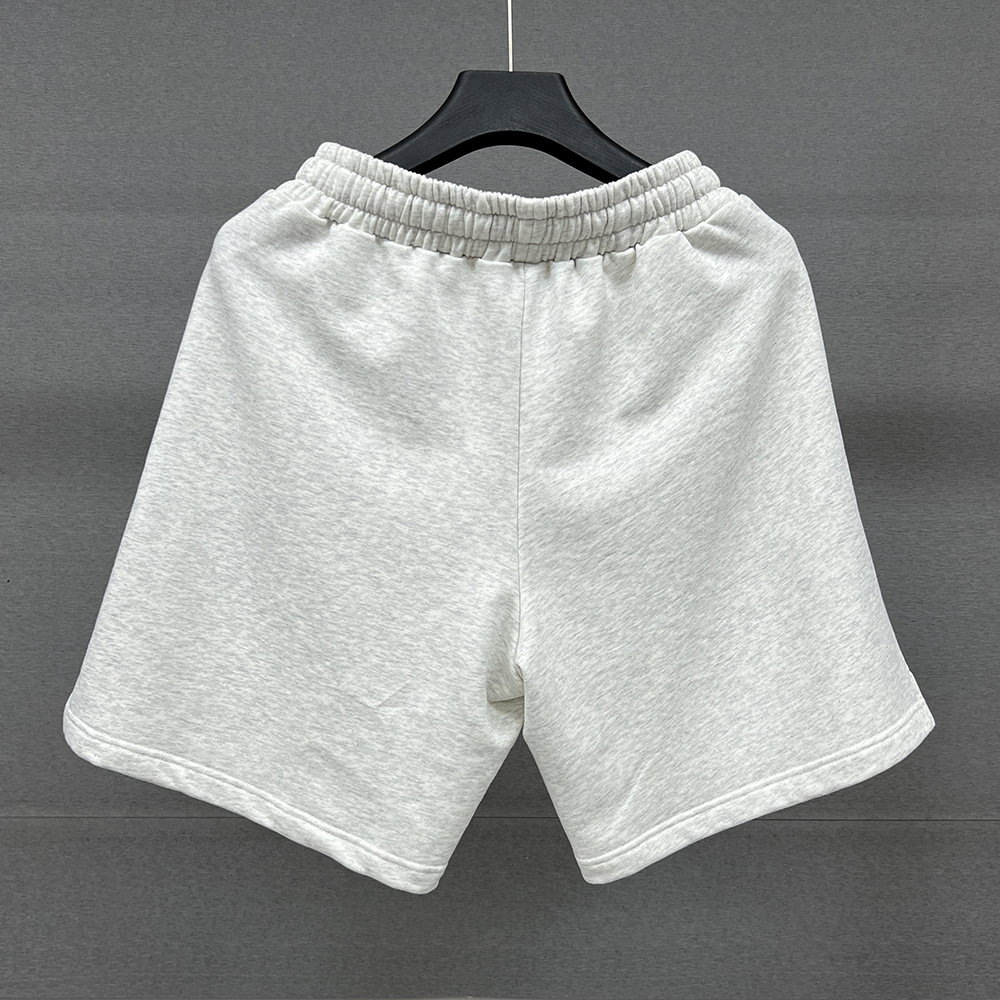
Reading clothing labels is your first line of defense. The retail market offers various solutions for consumers worried about sizing changes. You must understand the difference between untreated raw cotton, pre-treated fabrics, and synthetic blends. Each category behaves differently in the laundry room.
Untreated raw cotton is completely in its natural state. It has never touched hot water since leaving the loom. This material carries the highest risk of dramatic size reduction. Synthetic-cotton blends mix natural fibers with polyester or nylon. These synthetic threads do not shrink under normal laundry conditions. They act as a structural skeleton holding the garment together.
The most reliable middle ground is pre-shrunk cotton. Manufacturers wash and dry these fabrics at high temperatures before cutting the patterns. They force the initial tension release to happen at the factory. The fabric reaches its naturally contracted state before sewing begins. This proactive step bypasses the most dangerous shrinkage phase entirely. The consumer receives a garment already settled into its true size.
Buyers prioritizing low-maintenance care should strictly filter for specific labels. A sound purchase decision matrix involves identifying your willingness to handle delicate laundry. If you hate sorting laundry or air-drying, avoid untreated cotton entirely. You should exclusively hunt for pre-treated garments. They survive accidental trips through a hot dryer much better than raw fabrics.
We have outlined the core differences in the table below. It highlights what you can expect from each fabric treatment category.
| Fabric Category | Manufacturing Process | Shrinkage Risk Level | Ideal Consumer Persona |
|---|---|---|---|
| Untreated Raw Cotton | Loom-state fabric cut and sewn directly. | High (Up to 5% or more) | Denim purists and careful launderers. |
| Pre-Shrunk Cotton | Washed and heat-treated before sewing. | Low (Under 1-2%) | Buyers seeking low-maintenance, true-to-size fits. |
| Synthetic Blends | Woven with 2-5% elastane or polyester. | Very Low (Negligible) | Active individuals prioritizing stretch and durability. |
Consumers often ask for quantifiable metrics regarding size changes. We rely on evidence-based baselines from textile testing standards. Untreated pure cotton typically shrinks between 2% and 5% during its first cycle. This percentage might sound small on paper. However, it translates to significant changes in garment fit.
A 5% reduction means losing about a quarter to half an inch on a standard inseam. The waistband might tighten by a full inch. This contraction equals losing roughly half a garment size. Your perfectly tailored shorts will suddenly feel uncomfortably restrictive around the thighs and waist.
Many buyers attempt to outsmart the system using the "size up" strategy. They intentionally purchase clothes one size larger than their actual measurements. They hope future shrinkage will magically tailor the garment to their body. We strongly advise against this unpredictable approach. It is a high-risk purchasing strategy compared to buying pre-treated garments.
Shrinkage rarely happens uniformly across a garment. The inseam might shrink 4%, but the waistband might only shrink 2%. Sizing up often leaves you with oddly proportioned clothing. The waist might remain too loose while the length becomes too short. Figuring out how to prevent cotton shrinkage is a much better strategy than guessing future sizes.
Fabric blends offer an excellent alternative for sizing stability. Adding just 2% to 5% elastane stabilizes the entire material matrix. The synthetic fibers resist thermal contraction. They physically block the natural yarns from pulling together too tightly. This drastic reduction in total shrinkage percentage makes blends highly popular for activewear.
| Original Inseam Length | Expected Shrinkage (%) | Estimated Length Lost | Final Inseam Length |
|---|---|---|---|
| 7 inches | 3% | 0.21 inches | 6.79 inches |
| 9 inches | 5% | 0.45 inches | 8.55 inches |
| 11 inches | 4% | 0.44 inches | 10.56 inches |
Mastering your laundry routine is the ultimate defense mechanism. Knowing exactly how to wash cotton shorts protects their structural integrity. You must follow specific operational standards to keep fibers dormant. We break this down into three strict implementation steps.
Preparation and Sorting: Always turn your garments inside out before placing them in the machine. This protects the outer finish from abrasion. Sort your loads by fabric weight to reduce friction-induced shrinkage. Do not wash heavy jeans with lightweight summer shorts. The heavier fabrics will crush and agitate the lighter ones.
Temperature Control: Heat is your biggest enemy. You must always run a cold wash cotton shorts cycle. Water temperatures below 30°C (86°F) are mandatory. Cold water keeps the fibers dormant. It prevents the rapid tension release causing structural contraction. Warm or hot water acts as a thermal trigger you must avoid.
Machine Settings: Select the "Delicate" or "Gentle" cycle on your machine. These settings utilize a low spin speed. Lower spin speeds minimize the violent mechanical agitation pushing fibers together. A harsh, high-speed spin cycle can stretch and warp wet cotton significantly.
We must issue a firm risk warning regarding laundering mistakes. Fiber contraction caused by high heat is mostly irreversible. Once a garment shrinks in boiling water or a scorching dryer, it is permanently altered. You cannot simply pull it back into shape.
Some people try stretching damp clothes by hand. Stretching a heat-shrunk garment compromises the structural integrity of the weave. The threads become brittle and prone to tearing. The fabric will look warped, uneven, and prematurely aged. Prevention is your only true safeguard against this damage.
Proper washing only solves half the equation. Drying routines dictate the final outcome of your laundry efforts. Excellent cotton garment care requires keeping items far away from heated tumbler drums. Let us review the best practices for moisture removal.
Air-drying remains the undisputed gold standard for natural textiles. Flat-drying on a mesh rack or line-drying in the shade works best. This method eliminates the two biggest risk factors entirely: mechanical tumbling and direct heat. When you air-dry, gravity gently pulls the fibers downward. This helps maintain the garment's intended shape and length. Always keep dark colors out of direct sunlight to prevent UV fading.
We understand that air-drying is not always practical. If you must use a standard appliance, adjust your parameters immediately. Modern machines offer specific features designed to protect delicate items.
Use the "Air Fluff" Setting: This circulates room-temperature air through the drum. It tumbles the clothes without applying any dangerous heat.
Select "Tumble Dry Low": If you need slight heat for speed, use the absolute lowest temperature available. Remove the items while they are still slightly damp.
Utilize Moisture-Sensing Technology: Many modern dryers feature smart sensors. These stop the cycle the exact moment the clothes dry. This prevents over-baking the fabric in a bone-dry drum.
Your next-step action is establishing a scalable, foolproof routine. Educate everyone in your household about these rules. Use a separate hamper for delicate items needing special attention. This prevents the accidental hot-washing of premium apparel. Consistency is the secret to a long-lasting wardrobe.
Cotton shorts represent a durable, highly breathable investment for your wardrobe. They offer unmatched comfort during warmer months. However, this investment only pays off if the buyer remains proactive. You must factor in material treatments during the purchasing phase. Committing to low-heat maintenance at home guarantees long-term satisfaction.
Take immediate action to protect your current clothing rotation. Audit your wardrobe labels today to separate raw fabrics from pre-treated ones. Standardize your washing machine settings to cold water permanently. Keep your premium items away from the dryer drum. Implementing these simple habits will immediately halt further garment degradation and keep you looking your best.
A: No, it does not shrink infinitely. Maximum shrinkage occurs during the first one to two wash and dry cycles. Once the fibers fully relax and release their manufacturing tension, the garment stabilizes. Subsequent cold washes will not cause further noticeable size reductions.
A: Unshrinking is very difficult. You can soak the garment in lukewarm water mixed with baby shampoo or hair conditioner. This relaxes the fibers slightly. You can then gently stretch the fabric flat on a towel. However, this method has realistic limitations and rarely restores the original dimensions completely.
A: Yes, ironing is perfectly safe if done correctly. Use the designated "cotton" setting on your iron. Utilize plenty of steam while pressing. The steam gently relaxes wrinkled fibers without causing the harsh thermal contraction associated with tumble dryers. Iron inside out to protect colors.
A: Avoid hotel laundry services unless they guarantee cold-water washing. Commercial facilities often use industrial high-heat dryers for speed, which destroys natural fibers. Wash your items in the hotel sink using cold water and mild soap. Roll them in a dry towel to extract moisture, then air-dry flat.


