Views: 0 Author: Site Editor Publish Time: 2026-05-24 Origin: Site
In the modern streetwear market, a captivating design only serves as the initial hook. Consumers now crave a premium tactile experience. The fabric, fit, and precise execution represent your actual product. Many independent labels stall before reaching their full potential. They fail not from a lack of creativity. They fail due to severe supply chain bottlenecks. Inconsistent sizing ruins hard-earned customer trust. Poor wash durability generates immediate refunds. Missed delivery windows for highly anticipated "drops" can easily destroy brand momentum.
Finding the right production partner changes everything. Partnering with a specialized Streetwear Manufacturer transitions your brand from a high-risk hobby to a scalable, margin-protected business. A great factory acts as your technical co-founder. You will learn how to vet potential factories effectively. We will explore the vital sampling process in detail. You will also discover ways to secure your retail profit margins.
Fabric is the Product: Specialized manufacturers provide access to high-GSM cottons and complex printing techniques (puff print, DTG) that generic factories cannot execute.
OEM vs. Private Label: Scaling authentic streetwear requires moving beyond wholesale blanks to Custom OEM for proprietary fits and silhouettes.
Risk Mitigation: A reliable partner uses a strict 3-stage sampling process (culminating in a "Golden Sample") to eliminate costly bulk production errors.
Margin Protection: Securing a manufacturer with flexible MOQs and strong scaling capacity protects retail markup formulas (typically 2.5x to 4x of landed costs).
Professional Handoffs: Successful factory relationships rely on detailed Tech Packs, not just mood boards or reference images.
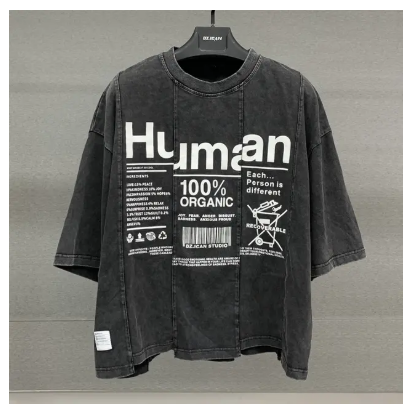
Founders often seek the cheapest available factory to save money. They usually fall into the "jack-of-all-trades" trap. Factories producing corporate uniforms or basic activewear lack specific tooling. They also miss the cultural understanding required for streetwear nuances. Oversized grading requires entirely different pattern manipulation. Dropped shoulders confuse traditional activewear pattern makers. A generic factory will repeatedly deliver standard, boxy fits.
Streetwear relies heavily on the "seeding and limited drop" marketing model. Timing dictates the success of these coordinated campaigns. You seed products to influencers weeks in advance. Everyone posts on the same designated launch day. A two-week factory delay ruins this synchronized influencer launch. It also erodes precious community trust. Customers quickly abandon brands missing their shipping promises.
Quality consistency poses another massive operational risk. Initial sample batches might impress your design team. However, scaled re-orders often suffer without standardized quality control. You might face severe fabric shrinkage after one wash. Uneven stitching and dye lot variations will frustrate your customers. They expect exactly what they saw online. A generic factory rarely enforces the stringent QC required.
You must choose a production model matching your current growth stage. Brands usually select between Private Label and Custom OEM. Each path offers distinct advantages and heavy limitations. We have broken down the primary differences below.
| Feature | Private Label (Wholesale Blanks) | Custom OEM |
|---|---|---|
| Definition | Printing your designs on pre-made blank garments. | Building garments from scratch based on your tech packs. |
| Fit Control | Zero control. You accept the blank supplier's fit. | Total control over drape, drop shoulder, and sizing. |
| Turnaround | Fast. Usually takes 1 to 3 weeks. | Slow. Sampling takes weeks before bulk production starts. |
| Barrier to Entry | Very low. Perfect for tight budgets. | High. Requires capital for samples and higher MOQs. |
Private label means buying wholesale blanks and applying your graphics. It works best for initial market testing. It also suits low-budget proofs of concept perfectly. Merchandise-driven brands thrive on this fast model. The barrier to entry remains incredibly low here. You require zero pattern-making skills to launch.
Turnaround times are highly predictable. However, the model carries significant brand risks. You hold zero control over the garment silhouette. It becomes difficult to justify premium retail pricing. Customers recognize standard blanks easily. You also face a high risk of competitors using the exact same base garments.
Custom OEM builds your clothing entirely from scratch. It is essential for dedicated streetwear labels. You need it to build a moat around custom fits. You can dictate unique hardware and proprietary fabric weights. OEM grants total control over the garment’s DNA.
This higher perceived value justifies premium retail pricing. Consumers happily pay more for proprietary silhouettes. However, OEM demands precise technical documentation. You must create comprehensive Tech Packs. It involves longer lead times for the sampling phase. You must also prepare for a higher upfront investment.
Finding a factory is easy. Finding the right partner takes rigorous vetting. You must evaluate candidates across three specific dimensions. Never compromise on these core operational standards.
Look for demonstrable expertise in streetwear-specific applications. Ask about their high-GSM (heavyweight) fleece sourcing. Verify their ability to handle complex finishing washes. Acid wash and stone wash require specialized machinery. Check their puff printing and DTG execution.
Request a verifiable portfolio of their past work. Focus strictly on their streetwear silhouettes. Ignore their basic t-shirt or corporate uniform samples. You need a partner who understands the culture deeply.
Heavyweight fabrics (300+ GSM tees, 400+ GSM hoodies)
Custom woven labels and branded metal hardware
Advanced dying techniques (garment dye, pigment dye)
Complex print execution (screen print, high-density puff)
Finding the ideal balance is crucial for survival. Avoid factories demanding rigid 1,000+ piece Minimum Order Quantities. High MOQs for a first drop create dangerous inventory risks. Look for partners willing to start much smaller. Find factories accepting 50-150 pieces per style or colorway.
This allows you to test the market safely. However, they must possess physical infrastructure to scale smoothly. When a "hero product" goes viral, they must adapt. They should comfortably transition to 1,000+ units on your next order.
Assess their internal QC checkpoints during your first meeting. Ask how they test for fabric shrinkage. Inquire about print durability and wash testing procedures. Colorfastness testing separates good factories from amateurs.
Verify their willingness to accommodate third-party inspection agencies. Larger bulk orders require external verification. Companies like SGS or Intertek provide objective quality reports. A transparent factory welcomes these independent inspections.
Never rush into bulk production based on a sketch. Professional manufacturing follows a strict sampling sequence. This sequence protects your investment from catastrophic errors. It ensures you receive exactly what you envisioned.
The Tech Pack Handoff: Production must begin with a comprehensive Tech Pack. It includes technical sketches and precise measurements. It outlines fabric specs and specific hardware details. Never rely on verbal descriptions. Factory workers need visual, mathematical blueprints.
Stage 1 - The Initial Prototype: This stage focuses purely on the foundational fit. It tests the drape and raw fabric feel. Do not expect perfect prints here. Expect this phase to take 1-2 weeks.
Stage 2 - The Revised Sample: This incorporates adjustments to your initial measurements. The factory applies the final trims and neck tags. They also execute the final printing and embroidery details. You review the complete visual presentation.
Stage 3 - The Golden Sample (Sealed Sample): This is the flawless, final iteration. You physically sign this garment. It serves as the absolute benchmark for bulk production liability. If bulk items deviate from this sample, the factory holds responsibility.
A brand lives and dies by its profit margins. Your manufacturing partner directly impacts your financial health. They control your costs, defect rates, and delivery schedules. Good factories make pricing transparent and predictable.
A reliable manufacturer provides transparent landed costs. This includes raw production, custom packaging, and freight costs. Knowing this allows you to accurately apply industry-standard markups. Successful streetwear brands apply a 2.5x to 4x retail markup. If a hoodie lands at $20, it retails between $50 and $80.
High defect rates from cheap factories destroy these margins. A budget factory might offer a lower per-unit price. However, a 20% defect rate wipes out your savings. Paying 15% more for a premium manufacturer is smarter. Delivering a 99% usable yield is mathematically superior. You prevent hidden costs and protect your customer experience.
Forward-thinking manufacturers provide supply chain stability for 2026 and beyond. They are already integrating sustainable fabric sourcing. They offer recycled materials and organic cotton blends. They build strong compliance infrastructure. This future-proofs your brand against rapidly evolving environmental regulations.
You now understand the mechanics of streetwear production. It is time to execute your launch plan. Follow these precise steps to secure your ideal factory. Preparation prevents expensive miscommunications later.
Step 1: Consolidate Your Drop Strategy. Narrow your initial launch drastically. Focus on 1–3 "hero products" to start. Avoid launching a fragmented, high-SKU collection. Mastering one perfect hoodie builds more trust than releasing ten mediocre designs.
Step 2: Prepare Professional Documentation. Finalize your Tech Packs before initiating any factory outreach. Professional documents signal your operational maturity. Factories prioritize founders who speak their technical language. Good documentation secures much more accurate price quotes.
Step 3: Conduct the "Sample Stress Test". Order a sample of your most complex garment first. Do this from 2-3 shortlisted factories simultaneously. Evaluate the physical garment quality carefully. Assess their communication speed during the process. Monitor their technical feedback and strict adherence to timelines.
Choosing a manufacturer is never about finding the cheapest labor. It is about securing a technical co-founder for your brand. They build the physical product your customers wear. The right partner elevates your designs into premium realities.
Base your final decision on communication transparency. Ensure they show absolute willingness to follow the Golden Sample framework. Verify their proven expertise in streetwear-specific fabrics. Start building your Tech Packs today. Narrow down your hero products and begin your factory outreach.
A: Realistic MOQs for custom OEM streetwear range from 50 to 300 pieces per style or colorway. This highly depends on fabric availability and your custom dye requirements. Low MOQs allow safe market testing before scaling up.
A: Expect 3-4 weeks for the complete sampling process. Once you approve the Golden Sample, bulk production takes 4-8 weeks. Shipping adds extra time. Always build a 12-week buffer into your drop schedule.
A: A Tech Pack serves as your legal blueprint. It eliminates subjective interpretation entirely. It ensures exact grading across all different sizes. It also standardizes print placements, preventing costly bulk production errors.
A: Yes. Many reliable factories offer premium "white-label" blanks. These include high-GSM hoodies and heavyweight tees. You can customize them with your prints and relabel them easily. This perfectly bridges the gap between POD and full OEM.


