Views: 0 Author: Site Editor Publish Time: 2026-08-03 Origin: Site
Choosing fabric for Custom Shorts starts with the product’s job, not with a swatch book. A soft loopback knit can make sense for relaxed streetwear, while a lightweight woven with stretch may be the better direction for training or travel. The same silhouette can feel entirely different once fiber content, construction, weight, finish, and decoration method change. For apparel brands, the practical goal is to specify a fabric that supports the intended wearer, retail price, branding treatment, and repeat-wear expectations at the same time. This guide turns that decision into a clear sourcing process.
Start with the end use, climate, and fit before selecting a shorts fabric.
Evaluate fiber, construction, fabric weight GSM, stretch, recovery, and surface appearance together.
Confirm that the fabric for shorts supports the chosen print, embroidery, wash, and trim plan.
Review a physical sample after washing; a lab dip or small cutting cannot reveal every production risk.
Record the approved fabric in a tech pack so the bulk order has a single reference standard.
“Cotton,” “polyester,” and “nylon” are useful starting labels, but none of them defines a finished short. A buyer also needs to know whether the material is knitted or woven, its weight, its stretch direction, its finish, and how it behaves after care. A heavy cotton jersey, for example, will not perform or drape like cotton poplin. Likewise, two polyester fabrics can differ sharply in hand feel, opacity, noise, pilling tendency, and how well they accept a print.
Write a short product brief before asking a factory to recommend material. State the intended activity, target climate, target customer, leg length and fit, desired hand feel, expected decoration, pocket construction, and price positioning. Then identify the one or two attributes that cannot be compromised. A running short may prioritize quick drying and movement. A premium casual short may prioritize a substantial hand and clean silhouette. A streetwear piece may need a surface that carries a large graphic convincingly.
This approach prevents a common sourcing error: choosing by a pleasant initial touch, then discovering that the fabric cannot hold a print, loses shape at the waistband, or feels too warm during the intended activity. The Custom Shorts shows why the category is broad: cotton French terry, nylon gym, basketball, and running directions are not interchangeable products.
The right Custom Shorts fabric should solve the wearer’s main problem. Build the decision around movement, heat, contact with water, abrasion, and the garment’s intended visual language.
| Product direction | Useful fabric characteristics | Questions to settle before sampling |
|---|---|---|
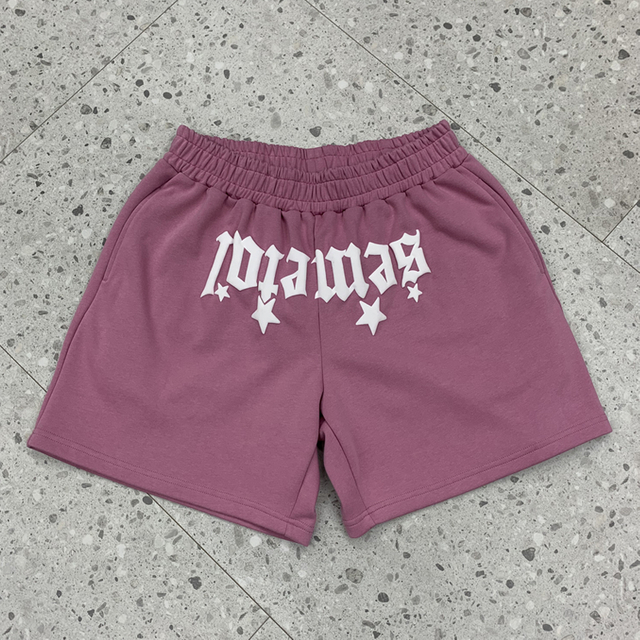
| Relaxed streetwear | Soft hand, body, stable surface, comfortable waistband | Should the short feel plush, structured, or washed-in? Will it carry a large print? |
| Training or running | Low bulk, airflow, stretch where needed, quick drying | Is the short lined? Does it need split hems, reflective details, or secure pockets? |
| Basketball or teamwear | Durable surface, ease of movement, color consistency | Is a mesh, interlock, or woven construction more suitable for the design? |
| Resort or casual summer | Breathability, comfortable drape, light weight | Is wrinkle resistance or a natural textured look more important? |
| Utility or outdoor | Abrasion resistance, pocket stability, practical drying time | Will hardware, cargo pockets, or repeated friction change the construction needs? |
Do not assume that “breathable” means one material. Breathability comes from fiber behavior, yarn, fabric structure, weight, finish, garment ease, and ventilation design. A loose mesh can move air well but may require a lining or careful pocket construction. A lightweight woven can feel cool in motion yet less soft than a knit. The best choice is the one that meets the product brief without creating a new problem elsewhere.
Cotton shorts remain a strong choice when comfort, natural hand feel, and a familiar casual appearance lead the brief. Cotton can be easy to print and can suit jersey, fleece, French terry, twill, or poplin constructions. Its trade-offs require planning: some constructions may wrinkle, absorb moisture, or change dimensions if washing and finishing are not considered. A brand should decide whether a crisp appearance, a soft broken-in feel, or a heavier streetwear hand is the priority rather than treating “100% cotton” as a complete specification.
Polyester shorts are often selected for active products because polyester can be engineered for durability, color retention, low water absorption, and moisture management. But a polyester short can look technical, shiny, matte, smooth, brushed, or textured depending on the yarn and construction. For a performance-led product, request the exact desired hand feel and test the fabric with the intended print or transfer. A fabric that manages perspiration well can still be the wrong choice if it feels overly slick or shows marks under certain lighting.
Nylon shorts often suit lightweight athletic, travel, and outdoor directions because nylon can offer a smooth hand and good abrasion resistance. It may be used with elastane when a stretch woven is needed. The important question is not simply whether the fabric contains nylon, but whether the weave, weight, and finish provide the desired balance of durability, stretch, and structure. Thin nylon can make an agile shell short; a more substantial weave can better support pockets and utility styling.
French terry shorts have a distinct role. Their looped reverse side, soft hand, and visual association with premium casualwear can make them appropriate for sweat shorts, basketball-inspired styles, and coordinated sets. They are usually less suitable for a product that must dry rapidly after hard training. French terry shorts also need a clear decision on weight and brushing because those choices influence drape, warmth, and how the garment reads at retail.
Blends allow brands to combine properties. Cotton and polyester can balance softness with easier care and durability. Nylon and elastane can bring movement to a woven shell. Cotton and elastane can add stretch to a casual fabric. A blend is not automatically superior; it is useful only when the additional fiber addresses a defined performance or appearance need.
Fabric weight GSM means grams per square meter. It is a comparison point, not a stand-alone quality score. Two fabrics with the same fabric weight GSM may drape differently because of their fiber, yarn size, knit or weave, finishing, and density. Still, documenting an agreed target weight gives a buyer a more controlled starting point than broad labels such as “lightweight” or “heavyweight.”
For casual Custom Shorts, a higher weight may create a fuller silhouette and reduce show-through, but it can also increase warmth and shipping weight. For active shorts, a lower weight may improve mobility and drying time, yet may require design changes to keep pockets, hems, and lining stable. Ask the manufacturer to state the weight after finishing, identify the allowed variation, and supply a cutting large enough to judge opacity and drape. Weight should be read alongside width and construction, since fabric consumption and garment cost depend on more than GSM.
Use sample reviews to test the real result. Fold the garment, sit in it, use the pockets, stretch the waistband, and view it under normal daylight. A weight that looks correct on a small swatch can feel entirely different once gathered at an elastic waist or combined with a lining.
Fabric selection and decoration selection are a single decision. Screen prints, transfers, embroidery, appliqué, patches, and wash effects each interact with the surface differently. A smooth stable surface can support crisp artwork, while a textured or heavily brushed surface can soften fine detail. Heavy embroidery may pull a lightweight fabric, and a large dense print can change the hand feel or breathability of an otherwise airy short.
Specify the artwork location early. A left-leg logo, full-panel graphic, woven patch, or pocket print can each influence the best base fabric and reinforcement method. For instance, a design that relies on precise small lettering needs a surface and method that preserve legibility. The same logic applies to a washed finish: the expected variation should be set before brand graphics or labels are approved.
Yite’s customization service identifies logos, hangtags, packaging, and styles as custom options. For a production-ready brief, attach artwork files, placement dimensions, color references, and the acceptable appearance after washing. These inputs turn a general visual direction into information that can be sampled and checked.
Shorts do more work around the waist, seat, crotch, and thigh than a flat fabric sample suggests. A fabric can feel soft while still restricting a deep squat; another can stretch easily but fail to recover, leaving knees or seat areas baggy after wear. Review stretch both across and along the garment where relevant, then assess recovery after several extensions. When elastane is used, the pattern and seam construction must also support movement.
Waistband design matters as much as shell fabric. Check elastic width, drawcord route, channel stability, and whether the waist returns evenly after pulling. For Custom Shorts with pockets, put a phone-sized object in the pocket and walk or sit. That simple test can reveal twisting, sagging, or an opening that is too shallow. For performance styles, evaluate chafing risk at inseams and determine whether a liner, gusset, or mesh panel is required.
Fit must also align with the market. An oversized streetwear short is intentionally different from a close-to-body training short. The desired silhouette should be expressed through measurements, not only mood-board photographs. Use the sizing guidance as a starting point for a size discussion, then approve the brand’s own point-of-measure specifications and grade rules.
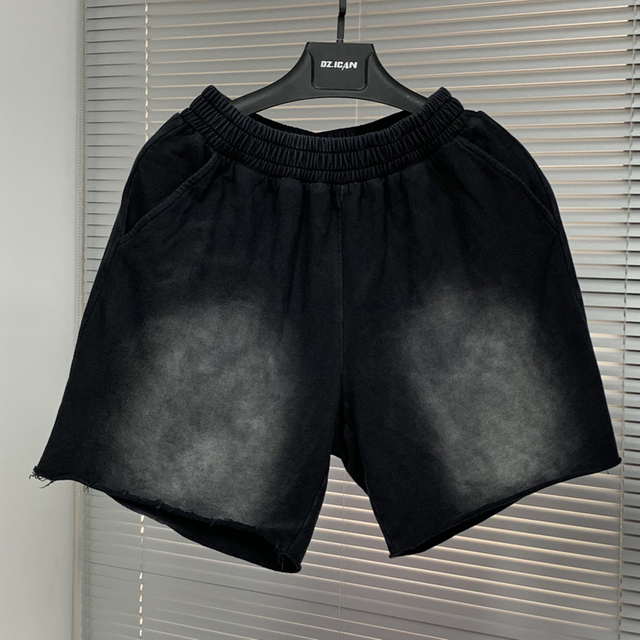
The sample stage is where a fabric decision becomes a commercial decision. Order enough sample yardage or finished garments to assess the material after decoration, laundering, and normal handling. A single factory photo is not a substitute for a physical review. Measure before and after wash, compare the color to the approved standard, inspect the print or embroidery, and note changes to pilling, twisting, hand feel, or stretch recovery.
Create an approval sheet that links the fabric code, composition, construction, color, finished weight, finish, and intended use to the sample. Add dated photos and observations. If the short needs a performance claim, define the required test method and acceptance criteria with the supplier instead of relying on general descriptions such as “quick dry.” Clear records reduce the risk that a close-looking substitute is treated as equivalent during bulk sourcing.
Yite describes quality control at each production stage on its quality page. A buyer can make that review more effective by providing a concise, approved standard: the tech pack, fabric swatch or code, color target, grading table, artwork, trim list, and packaging requirement should all point to the same version.
Use a staged decision rather than trying to approve every choice at once. First, agree on product purpose and non-negotiable properties. Next, shortlist two or three fabrics that satisfy that brief. Then sample the chosen silhouette in the most promising option, including the actual waistband, pockets, decoration, and care treatment. Review that garment against the standard, revise only what the evidence shows needs change, and lock the final fabric specification before bulk production.
This sequence also protects cost discussions. If a brand requests a lower cost later, the factory and buyer can evaluate a substitute against the approved standard instead of making an invisible change to hand feel, weight, or performance. The question becomes specific: does the alternative preserve the agreed construction, appearance, decoration compatibility, and care behavior? If not, it is a different product direction and should be sampled again.
The best fabric for Custom Shorts is the one that serves the garment’s intended use, brand expression, decoration, and care expectations together. Cotton shorts, polyester shorts, nylon shorts, and French terry shorts each have valid roles, but their performance depends on construction and specification—not on the fiber name alone. Begin with a clear product brief, use fabric weight GSM as one controlled variable, and approve a finished washed sample before releasing bulk. Yite can support the discussion with relevant custom shorts directions, while the buyer’s documented standard keeps the final decision accurate and repeatable.
For everyday casual wear, cotton-rich jersey, twill, poplin, or French terry may be suitable depending on the desired weight and look. Choose after reviewing drape, opacity, care behavior, and decoration needs on a finished sample.
Polyester can be a practical option for activewear because it can be engineered for low bulk, durability, and moisture management. It is best when the fabric construction, fit, ventilation, and decoration all support the planned activity.
Nylon is worth considering for lightweight athletic, travel, utility, or outdoor styles where a smooth surface and abrasion resistance are priorities. Sample the specific weave and finish because nylon fabrics can feel very different from one another.
There is no universal best number. A suitable weight depends on whether the product is a lightweight running shell, a casual woven short, or a substantial French terry style. Compare physical samples in the intended construction rather than approving GSM alone.
Yes. A shell can be paired with mesh ventilation, pocket lining, rib waist components, or stretch panels. Every fabric should be tested for seam behavior, color consistency, care compatibility, and the effect on the overall garment.
The two should be developed together. The fabric surface and finish affect print detail, adhesion, embroidery stability, and the final visual balance of a logo.


