Views: 0 Author: Site Editor Publish Time: 2026-09-01 Origin: Site
Choosing the perfect fabric for your activewear line or personal wardrobe often feels overwhelming. You want maximum comfort, but you also need reliable performance during daily activities. We know how frustrating it is to end up with garments that fail under pressure. Buyers and custom apparel brands face a core dilemma. Choosing the wrong fabric quickly leads to severe discomfort, poor workout performance, or highly dissatisfied customers returning their orders. You simply cannot afford to guess when it comes to material composition.
There is no objectively "better" fabric in the textile world. The right choice depends entirely on your intended application. You must carefully balance the need for moisture management against the desire for tactile comfort. Today, we will break down this classic textile rivalry. You will learn the specific strengths and weaknesses of both materials. We will also give you a clear framework to help you confidently select the best option for your exact needs.
100% polyester shorts are synthetic, hydrophobic powerhouses designed for high-intensity activity, offering maximum durability and rapid evaporation.
100% cotton shorts are natural, highly breathable, and hypoallergenic, making them the superior choice for low-impact movement, loungewear, and sensitive skin.
The deciding factor comes down to the use case: active performance (polyester) vs. casual comfort and lifestyle wear (cotton).
To truly understand how performance apparel works, we must look at its origin. Polyester is a petroleum-based synthetic fiber. Manufacturers create it through a chemical reaction involving coal, petroleum, air, and water. Because it is essentially a plastic, the fiber is inherently hydrophobic. This means it actively repels water rather than absorbing it. When you sweat, the liquid does not soak into the core of the yarn. Instead, it sits on the outside. This structural reality makes 100% polyester shorts the undisputed king of the athletic wear industry.
Synthetic fibers excel in extreme conditions. Let us examine the specific areas where polyester dominates.
Moisture Management: The hydrophobic nature of the yarn allows for incredible sweat control. High-quality moisture-wicking shorts use capillary action. They pull sweat away from your skin and spread it widely across the fabric's outer surface. This maximizes the surface area exposed to the air, resulting in rapid evaporation. You stay dry even during gruelling workouts.
Durability & Retention: Synthetic fibers boast incredible tensile strength. They resist shrinking, wrinkling, and fading exceptionally well. You can run them through multiple high-heat wash cycles, and they will hold their shape and vibrant colors. This resilience makes them a fantastic long-term investment for athletes.
Weight: Performance matters most when you are tired. You will appreciate the incredibly lightweight nature of quick-dry polyester shorts. Even when exposed to heavy perspiration, they do not gain significant water weight. They keep you feeling light and agile from start to finish.
Despite its athletic dominance, polyester is not perfect. You must be aware of its specific drawbacks before making a purchase.
Odor Retention: Synthetic fibers have unique microscopic grooves. These grooves can trap specific odor-causing bacteria, such as Micrococcus. If you do not wash your gear regularly with specialized sports detergents, the fabric will develop a persistent, unpleasant smell over time. Standard laundry soap often fails to penetrate these tiny oil-trapping crevices.
Heat Trapping: The very structure that makes polyester durable can also make it insulating. While advanced athletic weaves wick sweat, a thick, tightly woven synthetic garment can feel stifling. In high-humidity, non-active scenarios where you are not sweating heavily enough to trigger the evaporative cooling effect, the fabric traps body heat.
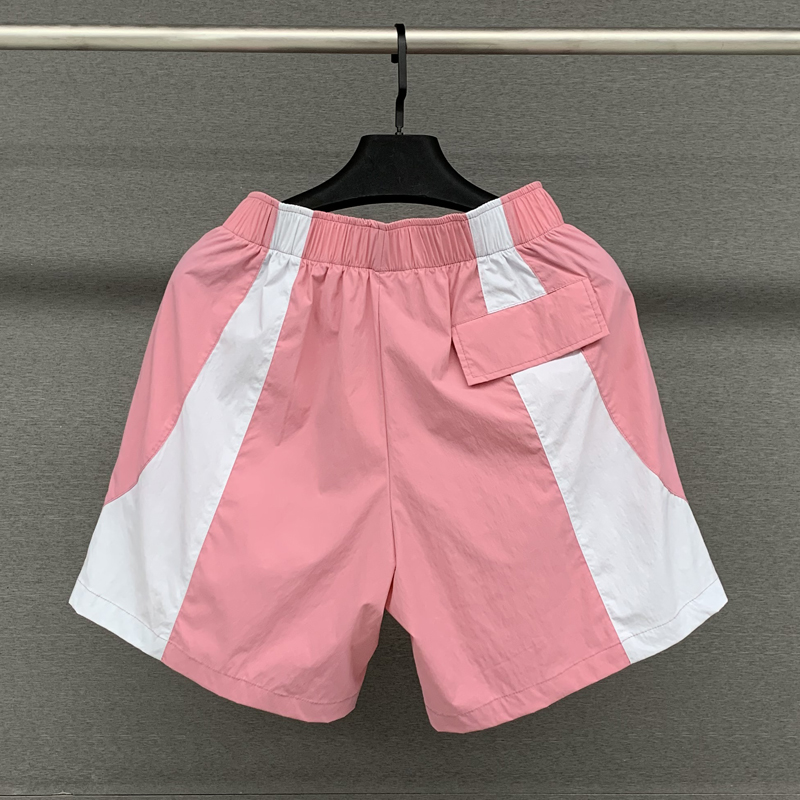
If synthetic fabrics represent engineered performance, natural fabrics represent pure, unadulterated comfort. Cotton is a natural, plant-based fiber harvested from the protective case around cotton seeds. Unlike petroleum-based yarns, cotton is highly hydrophilic. Its cellulose structure loves water and eagerly absorbs it. This fundamental difference dictates exactly how and when you should wear 100% cotton shorts.
When sensory comfort is your primary goal, natural fibers simply cannot be beaten. Here is why cotton remains a staple in every wardrobe.
Tactile Comfort & Breathability: Nothing beats the soft, natural hand-feel of plant-based fibers. Air flows seamlessly and naturally through traditional weaves. This makes breathable cotton athletic shorts ideal for temperature regulation. In dry, low-output environments, they allow your skin to breathe perfectly. You will never feel encased in plastic.
Hypoallergenic Properties: Dermatologists consistently recommend natural fibers. Cotton stands out as the absolute safest choice for users with sensitive skin, eczema, or synthetic material allergies. It does not cause the friction or micro-abrasions commonly associated with stiff polyester threads.
Odor Resistance: Unlike synthetics, natural fibers release oils and odors very easily. A standard run through your washing machine with regular detergent is usually enough to remove all smells. You do not need expensive sports washes or complicated laundry routines to keep your garments smelling fresh.
You must understand the limitations of hydrophilic fibers. Taking cotton into the wrong environment guarantees a miserable experience.
The "Sponge" Effect: This is the most critical flaw of natural fibers in athletic settings. 100% cotton can absorb up to 27 times its own weight in water. When you sweat heavily, the fabric drinks the moisture and holds onto it. It becomes heavy, cold, and clingy. This severe dampness rapidly leads to painful chafing during prolonged movement.
Maintenance Strictness: Natural fibers require careful handling in the laundry room. You face high risks of significant shrinkage, color fading, and shape loss if you wash or dry them at high temperatures. To maintain their fit and finish, you must stick to cold water washes and avoid aggressive tumble drying.
You now understand the science behind these two fabrics. The next step is applying this knowledge to real-world scenarios. We developed a straightforward decision framework to help you match the material to the activity. Choosing between cotton vs polyester sportswear always comes down to your primary use case.
Verdict: 100% Polyester.
Shortlisting Logic: When your heart rate spikes, your body produces massive amounts of sweat. Chafing prevention and rapid sweat evaporation become non-negotiable success criteria. Whether you are running a marathon, cycling, or hitting the CrossFit box, you need a fabric that refuses to hold water. Synthetic fibers keep you light, dry, and free from painful skin abrasions.
Verdict: 100% Cotton.
Shortlisting Logic: On your rest days, your priority shifts dramatically. Maximum skin comfort and breathability vastly outweigh the need for aggressive sweat management. If you are doing light yoga, stretching in your living room, or running weekend errands, natural fibers offer unmatched sensory pleasure. You will stay comfortable without dealing with the slick, artificial feel of performance wear.
Verdict: Depends heavily on the specific printing method.
Shortlisting Logic: If you are launching a brand, you must match your fabric to your decoration technique. Direct-to-Garment (DTG) printing uses water-based inks. These inks adhere best to 100% natural fibers, offering vibrant, long-lasting prints on soft fabrics. Conversely, sublimation printing uses heat to turn ink into a gas that bonds exclusively with synthetic polymers. Therefore, sublimation requires 100% polyester to work effectively.
Refer to the breakdown below to quickly determine the ideal fabric for your specific daily needs.
| Primary Activity / Use Case | Recommended Fabric | Primary Reason |
|---|---|---|
| Heavy Weightlifting & Gym Work | Polyester | Withstands friction, wicks sweat instantly. |
| Distance Running & Cycling | Polyester | Prevents chafing, remains lightweight when wet. |
| Yoga & Pilates (Low Sweat) | Cotton | Offers superior stretch comfort and breathability. |
| Lounging & Casual Wear | Cotton | Provides ultimate softness against the skin. |
| Direct-to-Garment (DTG) Printing | Cotton | Water-based inks bind seamlessly to natural fibers. |
| Sublimation Printing | Polyester | Sublimation dyes require synthetic polymers to bond. |
Modern consumers care deeply about the environmental impact of their clothing. However, the textile industry is rife with greenwashing. We must conduct an objective environmental assessment to understand the true footprint of our garments. Neither material is perfectly harmless, but they impact the planet in very different ways.
When you look closely at synthetic fibers, the environmental reality is complex. Polyester is derived from fossil fuels, making it inherently non-biodegradable. It can sit in landfills for centuries. More concerning is the issue of microplastics. Every time you wash synthetic apparel, tiny plastic fibers shed into the water supply and eventually reach the oceans. However, the industry is rapidly shifting toward Recycled Polyester (rPET). By melting down post-consumer plastic bottles and spinning them into yarn, brands significantly reduce their reliance on virgin petroleum.
On the other hand, cotton's natural origins do not automatically make it eco-friendly. Conventional farming carries a massive water footprint. It takes thousands of liters of water to grow enough raw material for a single pair of shorts. Furthermore, traditional farming relies heavily on harsh pesticides and fertilizers, which degrade local soil quality. Organic alternatives eliminate these toxic chemicals and often rely on rain-fed irrigation, but they come at a significantly higher retail price.
We cannot discuss sustainability without talking about durability. The longest-lasting garment is often the most eco-friendly one, simply because it delays the need for replacement. In this arena, synthetic fibers dominate. Polyester generally outlives natural fibers in terms of structural integrity. It resists tearing, fading, and thinning over years of heavy use. A high-quality synthetic garment means fewer replacement purchases over a five-year timeline, ultimately reducing your overall consumption volume.
Making the right choice ultimately comes down to acknowledging your specific reality. Buy polyester for its athletic utility and longevity. It will keep you dry, light, and chafe-free during your most intense physical challenges. Conversely, buy cotton for its sensory comfort and casual daily wear. It provides unmatched breathability and softness for sensitive skin during low-impact days.
Before you add your next item to the cart, take a moment to assess your primary activity level. Be honest about how much you will sweat in the garment. If you find yourself torn between the two extremes, consider looking into 50/50 blended fabrics. A poly-cotton blend often provides an excellent middle-ground solution, combining the plush softness of natural fibers with the durable, quick-drying power of synthetics.
A: Yes, they absolutely do. Natural plant fibers react poorly to high heat and agitation. They will noticeably shrink and lose their shape if put in a hot dryer. To preserve their fit, you must stick to cold water washing and line drying. Synthetics, conversely, hold their shape perfectly even in warm washes.
A: The answer depends entirely on your activity level. Lightweight, natural fibers are superior for casual heat, as they allow maximum airflow to keep your skin cool. However, if sweating is unavoidable due to exercise or extreme humidity, moisture-wicking synthetics are better because they quickly evaporate the sweat instead of holding it against your skin.
A: Yes. A 50/50 blend, or a mix incorporating a small amount of spandex, offers excellent versatility. These blends successfully capture the soft, natural feel of plant fibers while retaining the durability, shape retention, and improved drying times of synthetic yarns. They are perfect for versatile lifestyle wear.


