Views: 0 Author: Site Editor Publish Time: 2026-08-07 Origin: Site
Improper apparel packaging carries hidden operational costs that quickly erode profit margins. Inflated shipping rates due to dimensional weight, damaged inventory upon arrival, and a degraded brand perception all stem from poor fulfillment strategies. Addressing the logistical friction of fulfilling Custom Shorts requires a tailored approach. A one-size-fits-all packaging method fails because direct-to-consumer e-commerce, brick-and-mortar retail, and bulk team orders demand fundamentally different handling, presentation, and compliance protocols.
Selecting the right packaging materials and fulfillment workflows depends heavily on your distribution channel, fabric type, and unit economics. Understanding how to protect natural fibers compared to synthetic athletic wear ensures products arrive in pristine condition. This guide provides a structured evaluation framework to optimize your packaging process, reduce shipping overhead, and elevate the unboxing experience.
Channel-Specific Workflows: E-commerce demands lightweight, brand-centric mailers; retail requires display-ready tagging and clear polybagging; team orders necessitate roster-based sorting and master carton consolidation.
Material Dictates Protection: Natural fibers like cotton shorts require moisture barriers to prevent mildew during transit, while synthetic basketball shorts require anti-snag handling.
Dimensional Weight (DIM) is Critical: Optimizing package size rather than just physical weight is the primary lever for reducing DTC shipping costs.
Social-First Unboxing: Modern DTC brands must design packaging that protects the product while encouraging social media sharing and user-generated content (UGC).
Sustainability vs. Cost Trade-offs: Eco-friendly packaging (e.g., compostable mailers) improves brand perception but introduces higher baseline costs and specific shelf-life limitations.
E-commerce packaging must strike a balance between minimizing dimensional weight and maximizing the unboxing experience. The primary goal is getting the product to the consumer safely while keeping carrier fees low. Retail packaging serves a completely different function. It must meet strict vendor compliance manuals, ensure barcode visibility, and maintain shelf-ready presentation. Team orders prioritize the accuracy of bulk distribution. The focus shifts to ease of sorting by size or player number while minimizing individual packaging waste.
Warehouse managers must configure separate packing stations for these different channels. An e-commerce station needs quick access to branded mailers, tissue paper, and promotional inserts. A retail prep station requires barcode scanners, specific polybag dispensers, and compliance label printers. A team order staging area needs large sorting tables and heavy-duty master cartons. Mixing these workflows leads to mis-ships and compliance violations.
Analyzing the return on investment for bespoke packaging requires looking at baseline fulfillment costs. Custom tissue paper, branded stickers, and insert cards add up quickly. You must evaluate the cost efficiency of using standard, high-quality corrugated boxes with minimal, recycled paper filler against fully branded custom mailers. Standard corrugated boxes with minimal filler work perfectly for utility-driven bulk orders. Premium branded mailers become necessary when customer retention and social media sharing are primary marketing goals.
To establish a practical baseline, calculate the time it takes a warehouse worker to assemble a premium package versus a standard one. If a custom box takes two minutes to fold, tape, and fill, that labor cost must be factored into the packaging ROI. High-volume operations often find that custom-printed poly mailers offer the best balance, providing brand visibility without the labor overhead of complex box assembly.
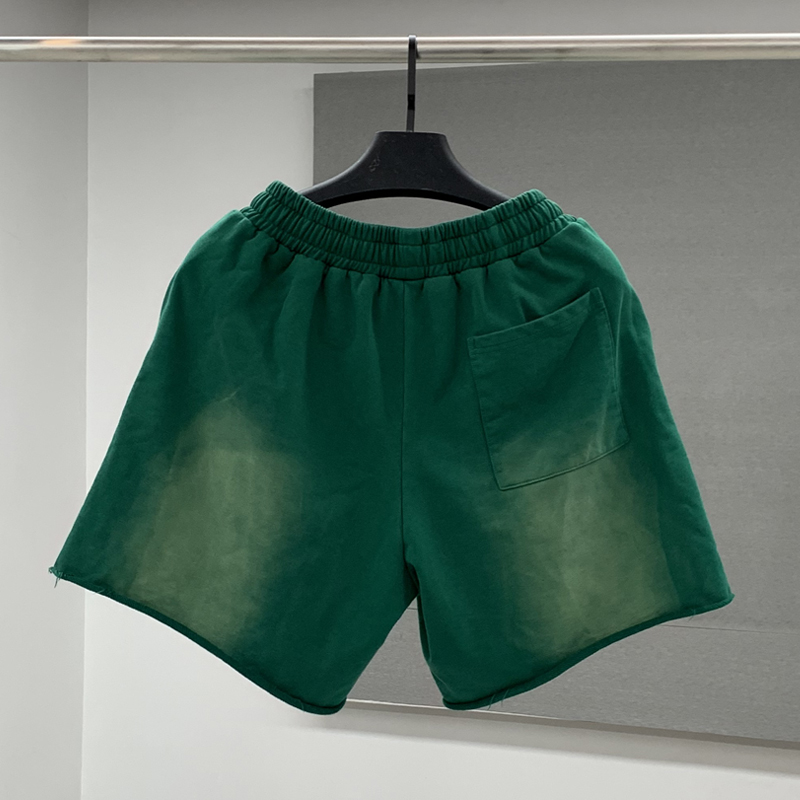
Natural fibers are highly vulnerable to environmental factors during prolonged transit or warehousing. Humidity and moisture easily penetrate standard cardboard, putting Cotton Shorts at risk of developing mildew or absorbing warehouse odors. Creasing is another major concern when garments sit in compressed stacks for weeks.
Implementing specific protective measures prevents these issues. Use silica gel packets inside individual poly bags for bulk international shipping. Apply proper folding techniques, such as rolling or utilizing structured inner sleeves, to minimize hard creases. Always use water-resistant outer mailers or line corrugated boxes with moisture barriers when shipping natural fibers.
Inspect the garment for any existing moisture or manufacturing residue.
Fold the shorts symmetrically to align the seams and prevent awkward creasing.
Insert a desiccant packet into the polybag before sealing.
Expel excess air from the bag to reduce the overall volume.
Seal the bag completely to create a moisture-resistant barrier.
Polyester, mesh, and spandex blends face different transit risks. Basketball Shorts are particularly susceptible to snagging, pilling, and static buildup. A single rough edge inside a shipping box easily pulls a thread, ruining the garment before it reaches the customer.
Smooth inner packaging is an absolute necessity for synthetics. Avoid rough, unlined cardboard interiors. Place each unit inside an anti-static poly bag to provide individual protection. Keep synthetic garments isolated from items with zippers, velcro, or sharp tags during the consolidation process.
Choosing between poly mailers and corrugated boxes impacts both your shipping budget and brand presentation. Poly mailers offer distinct benefits, including waterproof exteriors, the lowest possible tare weight, and zero empty space. However, they provide minimal crush protection and sometimes carry a perceived lower value. Corrugated boxes deliver high protection and serve as a premium canvas for the unboxing experience. Their drawbacks include higher unit costs, increased dimensional weight, and the need for void fill.
| Packaging Type | Best For | Pros | Cons |
|---|---|---|---|
| Poly Mailers | Single units, low AOV, lightweight apparel | Waterproof, low DIM weight, cost-effective | Low crush protection, less premium feel |
| Corrugated Boxes | Multiple units, high AOV, premium brands | Excellent protection, premium unboxing | Higher shipping costs, requires void fill |
| Padded Mailers | Delicate fabrics, mid-tier AOV | Moderate protection, flexible sizing | Harder to recycle, higher unit cost than plain poly |
A premium e-commerce unboxing experience relies on strategic layering. Start with a durable outer vessel. Add an inner wrap like tissue or glassine paper. Secure it with a custom sealing mechanism, such as branded tape or logo stickers. Finally, include necessary collateral like packing slips and return labels neatly tucked on top.
Visual product showcasing matters. Fold the shorts to immediately highlight custom embroidery, screen prints, or brand tags when the package opens. Design interior aesthetics to optimize for social media shareability. Use brand colors, printed taglines, or custom logos inside the box lid to prompt customers to film unboxing videos. Standardize this packing process with clear visual guides at the packing station so warehouse staff can replicate the bespoke feel efficiently at scale.
Retail buyers impose strict vendor compliance manuals that dictate exactly how apparel must arrive at their distribution centers. These guidelines often require specific poly bag thicknesses, usually a 1.5 mil minimum, to prevent tearing on conveyor belts. Suffocation warning labels are mandatory for any bag with an opening larger than five inches.
Clear, unbranded outer poly bags are essential for retail fulfillment. Warehouse workers must be able to scan inventory barcodes without opening the individual units. Failing to follow these compliance standards often results in costly chargebacks or rejected shipments. Retailers will penalize suppliers for missing labels, incorrect bag thicknesses, or improper carton markings.
Proper tag placement prevents fabric damage while remaining accessible for retail display. Attach hang tags to the waistband or through an existing garment label rather than piercing the main fabric hem. This ensures the garment remains intact while allowing retail staff to easily read pricing and sizing information.
Integrate UPC or EAN barcodes and SKU labeling directly on the exterior packaging. Place the stickers in a standardized location on every poly bag. This consistency streamlines the receiving process at retail docks and prevents inventory discrepancies. Use high-contrast thermal transfer labels to ensure barcode scanners can read the data instantly under harsh warehouse lighting.
Distributing bulk team gear often turns into a logistical nightmare for coaches and organizers. Dumping fifty pairs of shorts into a single box guarantees confusion. The "bundle" method solves this problem efficiently.
Individually bag each player's gear. Label every bag clearly with the player's name, roster number, and size. Group these individual bags by team or division before placing them into the master carton. This roster-based sorting saves hours of distribution time on the receiving end. It also allows the fulfillment center to verify the exact count against the team roster before sealing the master carton.
Master cartons require specific structural integrity to survive freight shipping. Use double-wall corrugated boxes with adequate Edge Crush Test (ECT) ratings to prevent blowout during Less Than Truckload transit. Weak boxes collapse when stacked on pallets.
Adhere strictly to maximum carton weight limits. Keep master cartons between 40 and 50 pounds. This complies with carrier safety regulations, protects warehouse staff, and helps you avoid heavy-lifting surcharges from freight companies. Always use reinforced water-activated tape to seal the top and bottom seams of heavy master cartons.
Major carriers calculate shipping costs based on dimensional weight rather than actual physical weight. The DIM weight formula multiplies package length, width, and height, then divides by a carrier-specific divisor. If the DIM weight exceeds the actual weight, you pay the higher rate.
Shipping a single pair of shorts in an oversized box filled with paper can easily double your shipping cost compared to using a right-sized poly mailer. Optimizing your package dimensions is the fastest way to recover lost profit margins in e-commerce fulfillment. Warehouse software should automatically recommend the smallest possible packaging for every order based on the SKU dimensions.
Over-ordering custom packaging carries significant supply chain risks. Storing thousands of custom boxes incurs high warehousing fees. Furthermore, a simple branding update can render your entire packaging inventory obsolete overnight.
Adopt a phased approach to custom packaging. Start with standard corrugated boxes or blank mailers and use custom stickers or stamps for branding. Once your order volume stabilizes and your brand identity is locked in, transition to fully printed mailers with high minimum order quantities. Keep a buffer stock of generic packaging to handle unexpected spikes in order volume.
Audit your current shipping costs to identify overspending caused by oversized packaging.
Calculate your average dimensional weight to see if switching to poly mailers reduces carrier fees.
Order packaging samples to test fit, durability, and moisture resistance before placing bulk orders.
Implement standard operating procedures for warehouse staff to ensure consistent folding and tagging.
A: The most cost-effective method is using a right-sized poly mailer shipped via USPS Ground Advantage or First Class mail, as it minimizes dimensional weight and keeps the package under the one-pound threshold.
A: A standard 10x13 inch poly mailer works perfectly for shipping one to two pairs of athletic or casual shorts without leaving excessive empty space.
A: Roll the garments tightly instead of folding them flat, or use structured inner cardboard sleeves to maintain the garment's shape and prevent hard creases during transit.
A: Yes, general retail compliance rules and platforms like Amazon FBA require suffocation warning labels on any poly bag with an opening larger than five inches.
A: Plant-based compostable mailers are durable enough for standard shipping but have lower puncture resistance and a limited shelf-life compared to traditional plastic mailers.
A: Isolate synthetic garments from zippers, velcro, or rough cardboard edges by placing each unit inside a smooth, anti-static inner poly bag before boxing.


