Views: 0 Author: Site Editor Publish Time: 2026-09-24 Origin: Site
In streetwear, brand equity relies entirely on garment quality. A single botched production run can permanently damage your credibility. Customers notice poor shrinkage, incorrect fits, or cracking prints immediately. Such errors will quickly ruin your reputation. Finding a reliable production partner requires moving past slick Alibaba profiles. You must evaluate tangible metrics like fabric sourcing, tech pack adherence, and scalability. Relying on guesswork will only drain your budget and stall your launch. This guide provides a proven, risk-mitigating framework. We will show you how to audit and select a manufacturing partner effectively. You will learn to align their capabilities closely against your brand's rigorous quality standards. Master this vetting process to build a highly reliable supply chain. You can protect your unit economics and scale your streetwear brand confidently.
Prioritize manufacturers with demonstrable expertise in streetwear-specific silhouettes (e.g., drop shoulders, boxy fits) over standard promotional blank suppliers.
Always mandate a physical sampling phase to test fabric shrinkage, colorfastness, and print durability before committing to bulk production.
Evaluate suppliers on their Minimum Order Quantities (MOQs) relative to their ability to scale seamlessly as your brand volume increases.
A clear, highly detailed Tech Pack is your primary defense against production errors and bait-and-switch materials.
You cannot evaluate a factory properly until you define your own needs. Streetwear demands exact specifications. Generic promotional tees will not impress your target audience. You must clarify your production model, fit requirements, and fabric expectations.
Brands typically choose between two main manufacturing routes. You can build custom patterns from scratch through Cut-and-Sew. Alternatively, you can source high-quality blanks for finishing. Each model carries different risks and capital requirements.
Here is the step-by-step process for deciding your route:
Assess your initial startup capital. Cut-and-Sew requires higher upfront investment for pattern making.
Evaluate your desired turnaround time. Blanks allow you to launch weeks faster.
Determine your need for unique silhouettes. Custom patterns give you complete control over dimensions.
Production Model Comparison: Cut-and-Sew vs. Blank Sourcing
| Production Factor | Cut-and-Sew (Custom Patterns) | Sourcing High-Quality Blanks |
|---|---|---|
| Creative Control | Absolute control over fit, fabric, and details. | Limited to the supplier's available catalog. |
| Time to Market | Slower (requires pattern making and grading). | Faster (garments are ready for printing). |
| Minimum Order Quantity | Higher (usually 100+ pieces per style/color). | Lower (often accessible in small batches). |
Establish strict criteria for the specific fits your brand requires. Standard tubular tees rarely work for modern streetwear aesthetics. Your audience expects dropped shoulders, widened chests, and cropped hems. You must evaluate the supplier's capability as a boxy fit t-shirt manufacturer. Ask them to provide pattern samples. Verify they understand grading across different sizes. An oversized medium should not just look like a standard extra-large.
Streetwear demands specific, premium textiles. You must outline strict requirements for fabric weight. Most modern brands target 200–300 GSM for their core collections. Mention these numbers clearly when searching for heavyweight cotton t-shirt wholesale options. Define acceptable cotton blends. Insist on pre-shrunk treatments to prevent post-wash disasters. Ask factories if they use combed cotton or carded cotton. Combed cotton yields a smoother surface for intricate printing.
Finding a reliable custom t-shirt manufacturer requires rigorous vetting. Do not rely solely on their marketing claims. Dig into their technical infrastructure, finishing capabilities, and ethical standards.
Assess their technical infrastructure carefully. A dependable screen print t-shirt supplier must demonstrate vast expertise. They should handle high-density plastisol and soft water-based inks perfectly. Ask for examples of puff printing. Check their embroidery machines. Precise embroidery should lay flat without puckering the surrounding fabric. Ensure they cure their inks at the correct temperatures to prevent premature cracking.
True streetwear requires bespoke branding elements. Off-the-shelf tags signal low effort to consumers. Check factory capabilities for producing private label t-shirts. They must offer custom neck tags and woven hem tags. Verify they can print localized wash-care labels. Some manufacturers provide custom polybag packaging. These small details elevate the unboxing experience immensely.
Verify factory certifications early in the process. Look for WRAP, OEKO-TEX, or ISO credentials. Ethical labor practices are not just moral imperatives today. They are essential for protecting your brand reputation. Supply chain stability relies on fair working conditions. Consumers will abandon brands tied to exploitative labor. Ask your supplier for their latest third-party audit reports.
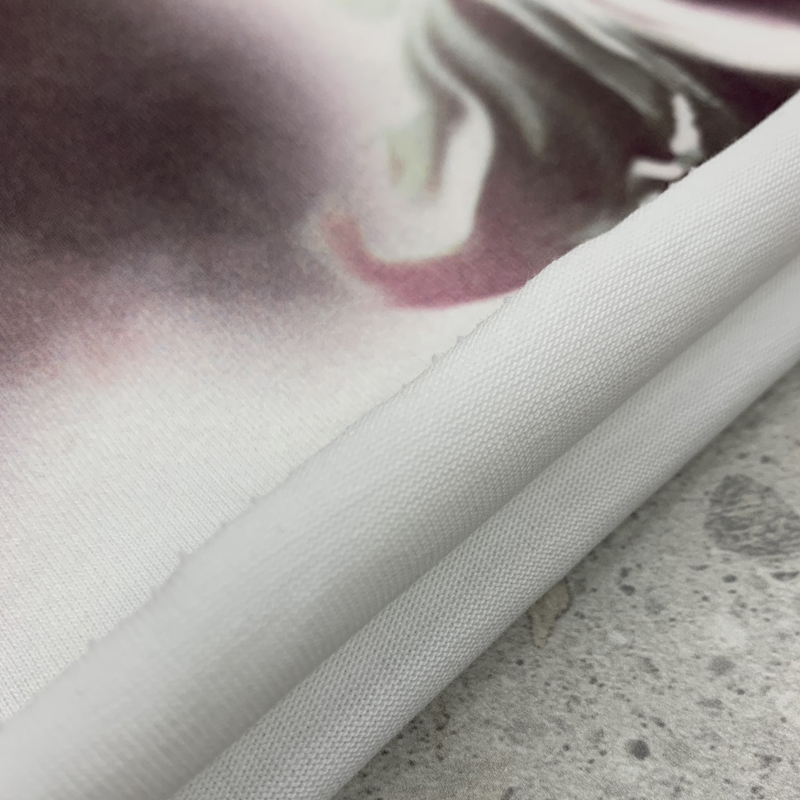
You have found a promising factory. Now you must test their execution. The sampling phase protects your capital. It exposes miscommunications before they ruin a massive production run.
Never proceed to custom graphic tee bulk orders without testing first. Rigorously evaluate a pre-production sample (PPS). This physical garment represents the exact standard for your bulk order. If the PPS has flaws, the bulk run will amplify them. Approve the sample only when it meets every single specification.
Make the wash test your standard operating procedure. Do not just look at the garment. Put it through the ringer. Wash the sample three to five times.
Measure shrinkage percentages precisely across the chest and length.
Check the collar for "baconing" (wavy, stretched-out neckbands).
Observe the graphic for early ink fading or cracking.
Inspect the side seams to ensure they do not twist.
Cross-reference the physical sample against your Tech Pack tolerances. A beautiful sample means nothing if it ignores your design files. Measure the exact placement of graphics. Count the stitches per inch (SPI). High-quality streetwear usually requires 10 to 12 SPI. Inspect the seam construction closely. Look for double-needle topstitching on the collars and hems. Point out any deviations immediately.
Even experienced brands face manufacturing hurdles. Overseas sourcing carries inherent risks. You must identify red flags early during the quotation phase. Spotting these pitfalls saves you from catastrophic delays.
Beware of unethical manufacturers playing games with materials. They might use premium 250 GSM fabrics for your sample. Then they swap in cheaper, lower-GSM materials for the bulk run. You must retain the approved pre-production sample. Compare it directly against the first batch of bulk goods. Weigh the garments yourself to confirm fabric consistency.
Assess supplier responsiveness during the quoting phase. Language barriers are common. However, delayed responses indicate deeper operational issues. A factory taking three days to answer a simple email will vanish during a crisis. Clear, proactive communication is non-negotiable. You want a partner who highlights potential design flaws before production begins.
Request a fully itemized breakdown of costs upfront. Shady factories lure you in using artificially low per-unit prices. They then surprise you right before shipping.
Watch out for these undisclosed expenses:
Screen setup fees per color.
Pantone color matching charges.
Digitizing fees for embroidery files.
Unexpected export documentation costs.
These hidden charges destroy your unit economics quickly.
Selecting a factory is merely the first step. Building a sustainable partnership requires smart negotiation. You must align financial terms and establish stringent quality controls.
Calculate the true, total cost per unit. Do not just look at the initial manufacturing quote. You must factor in freight, customs duties, and defect allowances. Air freight is fast but incredibly expensive. Sea freight saves money but adds weeks to your timeline. Model these variables carefully to determine your actual profit margins.
Startups often struggle meeting high factory thresholds. Negotiating a lower initial MOQ is crucial. Offer an agreed-upon scale roadmap. Show the factory you plan to grow alongside them. Standard payment terms are typically 30% to 50% upfront. You pay the remaining balance upon completion and inspection. Never pay 100% upfront for bulk orders.
Do not rely solely on the factory's internal inspectors. For overseas production, like finding a reliable overseas men's t-shirt supplier, protect your investment. Budget for a localized third-party QC inspection. Hire inspectors to check the goods before the container is loaded. They use AQL (Acceptable Quality Limit) standards to catch defects. Finding a flaw at the factory is fixable. Finding a flaw in your warehouse is a total loss.
Selecting a custom manufacturer is a rigorous vetting process. It is never a simple one-off transaction. Your factory dictates your brand's physical reality. Start this journey by building a highly detailed Tech Pack. Insist on stringent sample testing before every bulk order. Prioritize transparent, consistent communication over the absolute lowest cost per unit. Cheap manufacturing usually becomes very expensive later. Begin building your vendor shortlist today. Request standard fabric swatches and blank samples from three to five vetted manufacturers. Compare their quality closely, and choose the partner most aligned with your vision.
A: Standard MOQs vary by factory tier. Local or specialty print shops usually require 50 to 100 pieces. Mid-tier overseas factories typically demand 300 to 500 pieces per style. You can often negotiate these numbers across different colors or sizes. Discussing a growth roadmap helps lower initial MOQs.
A: Expect 2 to 4 weeks for the initial sampling phase. Once you approve the sample, bulk production takes 4 to 8 weeks. You must also factor in freight time. Air shipping adds 1 to 2 weeks, while sea shipping adds 4 to 6 weeks.
A: A Tech Pack is the exact blueprint of your garment. It contains measurements, fabric specifications, Pantone colors, and label placements. It serves as your primary defense against errors. If disputes arise over quality, the Tech Pack acts as your legal reference point.
A: Blanks offer lower risk, smaller MOQs, and much faster time-to-market. They are ideal for testing designs. Cut-and-sew provides complete creative control over fit and fabric. However, it requires higher capital and longer lead times. Startups often begin printing on premium blanks before transitioning.


