Views: 0 Author: Site Editor Publish Time: 2026-09-22 Origin: Site
Starting a clothing line requires strict precision. Partnering with the wrong manufacturer often leads to major headaches. You might face inconsistent sizing, peeling prints, or missed launch deadlines. These failures directly impact your brand reputation and drain your revenue. The reality in apparel sourcing can feel harsh. Countless suppliers advertise high-quality manufacturing online. However, not all possess the actual infrastructure to deliver consistent bulk production. Finding the right partner takes careful vetting and clear communication. This guide provides a straightforward framework to evaluate vendors objectively. You will learn to assess material integrity, technical customization capabilities, and operational reliability. We break down the differences between sourcing models, fabric metrics, and specialized printing techniques. By the end, you can confidently move your project from an initial design concept to a successful production scale.
Define your manufacturing model first: Choose between private labeling ready-made blanks or partnering with an OEM for custom cut-and-sew patterns.
Evaluate fabric by objective metrics (GSM, composition, shrinkage rates) rather than subjective descriptions like "premium feel."
Verify a manufacturer’s technical capabilities by auditing their specific application methods for screen printing, puff print, and embroidery.
Protect your production timeline by aligning your brand’s volume with the supplier’s Minimum Order Quantities (MOQs) and sampling lead times.
Brands often misalign their timeline and budget by choosing the wrong manufacturing model. This mistake quickly leads to burned capital and delayed launches. Before you begin contacting vendors, you must define how you want your garments constructed. The two primary routes offer very different advantages.
This approach involves sourcing existing blank garments. You then apply custom tags and branding to these pre-made blanks. It remains the best choice for rapid go-to-market strategies. Working with a reliable private label hoodie manufacturer requires lower setup costs. You experience much faster turnaround times. However, trade-offs exist. You have limited control over the exact silhouette, drop-shoulder slope, or overall fit. You must adapt your design to fit the existing blank.
The cut-and-sew route involves building the garment entirely from scratch. You provide a custom Tech Pack, and the factory cuts raw fabric to match your exact pattern. Producing OEM streetwear hoodies is best for brand differentiation. It yields a completely proprietary product. You dictate the exact sleeve length, hood size, and pocket placement. The trade-offs include higher upfront investments. You also face longer lead times and need strict pattern-making expertise.
Manufacturing Models Comparison
| Feature | Private Label (Blanks) | OEM (Cut-and-Sew) |
|---|---|---|
| Time to Market | Fast (2-4 weeks) | Slow (8-12 weeks) |
| Upfront Cost | Low to Medium | High (Pattern & tooling fees) |
| Fit Control | Limited (Standard fits) | 100% Customization |
| Best For | Merch drops, new startups | Established brands, high-fashion |
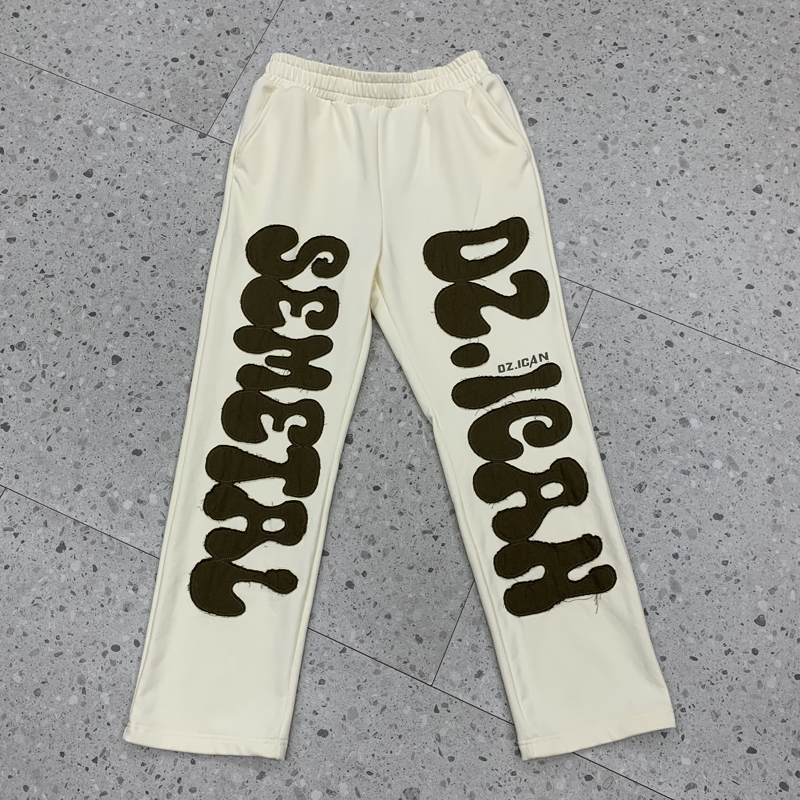
A reliable custom hoodie supplier must provide transparent data. They should openly share details regarding fabric weight, composition, and post-wash behavior. You cannot rely on subjective marketing terms like "premium feel." You need objective metrics to guarantee quality.
Understanding Grams per Square Meter (GSM) is crucial. This metric determines the thickness and drape of your garment. You should evaluate suppliers offering heavyweight hoodie wholesale options for structural, streetwear silhouettes. These typically range from 350 to 500+ GSM. Heavier fabrics hold their shape well. Conversely, lighter weights ranging from 250 to 300 GSM work better for athletic apparel or basic layering pieces.
Assess the specific ratio of cotton to polyester. A 100% cotton French Terry provides excellent breathability and a premium hand feel. An 80/20 cotton-poly fleece offers added durability and warmth. You must evaluate the manufacturer’s sourcing transparency. They should eagerly provide certification for organic cotton or recycled polyester if you request it.
Garment construction dictates how long the piece survives daily wear. You should check specific structural points on every sample. Implement these best practices during your evaluation:
Stitching: Demand double-needle stitching at high-stress points. Check the shoulders, armholes, and waistband.
Ribbing: Ensure the cuffs and hem use high-quality elastane blends. They must snap back into shape after stretching.
Dimensional Stability: Ask the vendor for specific shrinkage tolerances. Require pre-shrunk or washed samples to test against their dimensional stability claims.
Common Mistake: Never accept unwashed samples as the final standard. Always run a prototype through a standard consumer wash cycle to test true shrinkage.
A top-tier factory must translate digital designs into durable physical products. They must do this without sacrificing garment integrity. Evaluating their decoration techniques ensures your logos survive years of wear.
You should audit their equipment and portfolio for specific techniques. Standard plastisol screen printing remains durable and cost-effective. Direct-to-garment (DTG) works well for highly complex, multi-color artwork. Puff print adds trendy 3D texture to streetwear. High-density embroidery offers a luxury finish.
If you are sourcing an embroidered zip-up hoodie, you must evaluate the backing materials. Poor backing causes fabric puckering around the zipper line. The factory should use tear-away or cut-away stabilizers suited to the fabric's GSM.
Hardware elevates a basic garment into a premium product. You must assess their trim options systematically.
Zippers: Request YKK zippers or an equivalent high-grade metal alternative. Test the glide smoothness.
Drawstrings: Check the thickness and weave density. Flat woven cords feel more modern than standard round cords.
Aglets: Assess options for custom metal aglets or matte rubber-dipped ends to prevent fraying.
Eyelets: Verify the metal eyelets clamp securely onto the hood fabric without tearing the surrounding fibers.
Your brand needs proper labeling for a professional presentation. Verify their process for neck tag removal if you use blanks. Check their ability to sew custom woven labels onto the neckband or hem. Finally, ensure they understand standardized care tag compliance. The Federal Trade Commission (FTC) requires specific material breakdowns, care instructions, and country-of-origin details.
A manufacturer must remain viable for both your initial drop and your subsequent scaling phases. Operational reality dictates your profit margins. You need a partner capable of growing alongside your brand.
Compare entry-level MOQs across your shortlisted factories. Understand the economic reasons behind these numbers. Beware of suppliers offering zero MOQs if you plan a true custom hoodie bulk order. These low-barrier vendors often use consumer-grade equipment like desktop heat presses. You require industrial setups for true consistency. Standard factories need realistic minimums to cover machine setup times and bulk fabric sourcing.
Establish crystal-clear timelines early. Delays kill marketing campaigns. Sample creation typically takes 2 to 4 weeks. Bulk production usually requires 4 to 8 weeks after sample approval. Always ask how seasonal holidays affect their production schedules. You should build a two-week buffer into your internal calendar to handle unexpected freight delays.
Ethical manufacturing protects your brand reputation. Ask prospective factories for their ISO certifications. Request proof of WRAP (Worldwide Responsible Accredited Production) compliance or similar ethical labor audits. Furthermore, establish their internal Quality Assurance (QA) protocols. Ask what their acceptable Defect Rate threshold is before they ship items. A reputable factory absorbs the cost of defective units found during their internal checks.
Knowing what to look for represents only half the battle. You need actionable steps to systematically test your shortlisted manufacturers. You must evaluate them without committing to an expensive bulk run.
Your Tech Pack serves as the ultimate blueprint. Submit a standardized Tech Pack to three or four different vendors. You can evaluate them based on their initial response. Check their communication clarity. Note the technical questions they ask. A good custom hoodie manufacturer will spot errors in your design files and suggest improvements. They will also provide transparent, itemized pricing rather than vague estimates.
Never skip the sampling phase. This rule applies even if you face tight deadlines. Pay the premium for a pre-production sample. Yes, samples cost significantly more than bulk units. They require individual machine setup. However, this prototype acts as your insurance policy. It allows you to confirm the fit, feel, and finish before spending thousands of dollars.
Once you receive the sample, you must stress-test it. Subject the hoodie to standard consumer washing and drying cycles. Look for specific failure points:
Colorfastness: Check if the dye bleeds into the wash water or fades prematurely.
Print Integrity: Inspect the screen print or DTG graphic for micro-cracking after high-heat drying.
Structural Warping: Ensure the side seams remain straight. Check if the zipper wavy or buckles after washing.
Selecting a manufacturing partner stands as a strategic operational decision. It goes far beyond a simple procurement task. Your choice directly influences your product quality, customer satisfaction, and overall brand trajectory. You must evaluate potential partners objectively across multiple dimensions.
We strongly recommend prioritizing vendors who offer transparent fabric specifications. They should easily demonstrate technical precision in their branding applications. Furthermore, they must align closely with your business’s current volume requirements and future scaling goals. Rushing this decision often leads to expensive mistakes.
Take action today. Finalize your detailed Tech Pack first. Then, reach out to your top three shortlisted suppliers. Request their initial fabric swatches and order your first round of prototype samples. This structured approach guarantees a stronger, more profitable product launch.
A: Original Equipment Manufacturers (OEMs) typically require 100 to 300 pieces per colorway. They need these numbers to justify custom fabric cutting and machine setups. Conversely, private label routes using pre-made blanks can offer minimums as low as 25 to 50 pieces.
A: Samples usually cost two to five times the bulk unit price. This premium covers the extensive setup time required to produce a single item on industrial machinery. You should expect to pay anywhere from $100 to $300 per custom sample.
A: French Terry features a loop-back interior. This texture provides excellent breathability and moisture-wicking properties, making it ideal for mild weather. Fleece undergoes a brushing process on the inside, creating a soft, fuzzy texture that traps body heat for superior insulation.
A: Domestic sourcing offers much faster turnaround times and easier communication without language barriers. Overseas manufacturing generally provides significantly lower unit costs at scale. However, overseas production requires managing complex shipping logistics, import tariffs, and longer freight timelines.


