Views: 0 Author: Site Editor Publish Time: 2026-04-14 Origin: Site
Starting a clothing line in 2026 has never been more accessible—or more strategic. The global fashion industry is navigating tariff turbulence, AI-driven efficiencies, and a consumer shift toward value, longevity, and traceability. Brands that succeed will combine smart business planning with supply-chain agility. Whether you're a first-time founder or scaling a side hustle, the path starts with understanding how design, production, and sales interconnect.
Low barriers like print-on-demand (POD) and dropshipping let you test ideas for under $1,500, while custom manufacturing with flexible MOQs opens doors to higher margins and unique products. At the same time, tools like 3D prototyping and Digital Product Passports (DPP) are reshaping how brands create and prove sustainability. This guide walks you through every step, with real production data, cost ranges, and decision frameworks drawn from the factory floor.
Image alt text: Photorealistic infographic of a step-by-step clothing line startup process showing business plan, design, manufacturing, and e-commerce launch stages with 2026 icons for AI and sustainability.
Success begins with a focused target market. Ask: Who is your customer, and what problem does your line solve? In 2026, niches like sustainable athleisure, plus-size streetwear, kids' eco-friendly apparel, or quiet luxury basics are thriving because they match consumer priorities around wellbeing and circularity.
Conduct quick competitive analysis using free tools or social listening. Validate demand on TikTok Shop or Instagram before investing in samples. A clear brand identity—story, values, and visual language—helps you stand out and command premium pricing later.
Your business plan doesn't need to be 50 pages, but it must cover costs, revenue projections, and a model comparison. Here's a quick 2026 breakdown:
| Model | Startup Cost Range | MOQ Typical | Gross Margin Potential | Best For |
|---|---|---|---|---|
| Print-on-Demand | $500–$1,500 | None | 40–60% | Testing designs fast |
| Dropshipping | $1,000–$3,000 | None | 30–50% | Low-risk scaling |
| Private Label / Small Batch | $8,000–$30,000 | 50–150 pcs/style | 60–75% | Brand differentiation |
| Full Custom Cut & Sew | $20,000–$75,000+ | 200+ pcs | 55–70% | Premium, unique lines |
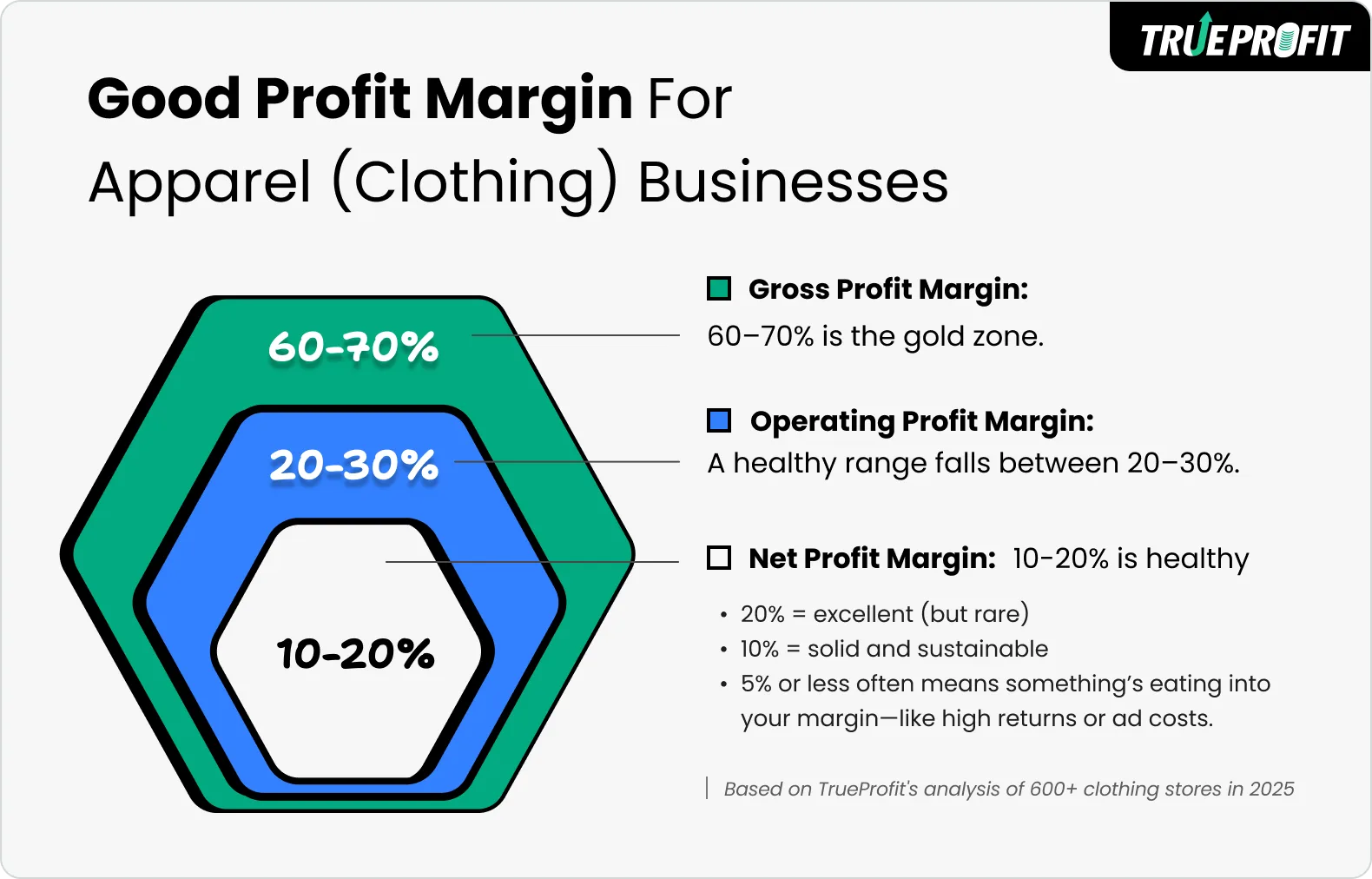
Image alt text: Hexagon chart showing 2026 apparel profit margin benchmarks: 60-70% gross, 20-30% operating, 10-20% net for healthy clothing businesses.
POD or dropshipping is ideal for no-experience founders with zero inventory risk. Custom manufacturing shines once you validate demand because it lets you control quality, fabrics (e.g., 300–500 GSM fleece for premium hoodies), and details that build loyalty. Factor in 10–15% contingency for tariffs or shipping delays.
Pricing strategy matters early: aim for 2.5–4× markup on cost of goods sold (COGS) for DTC to cover marketing and returns while hitting 60–70% gross margins.
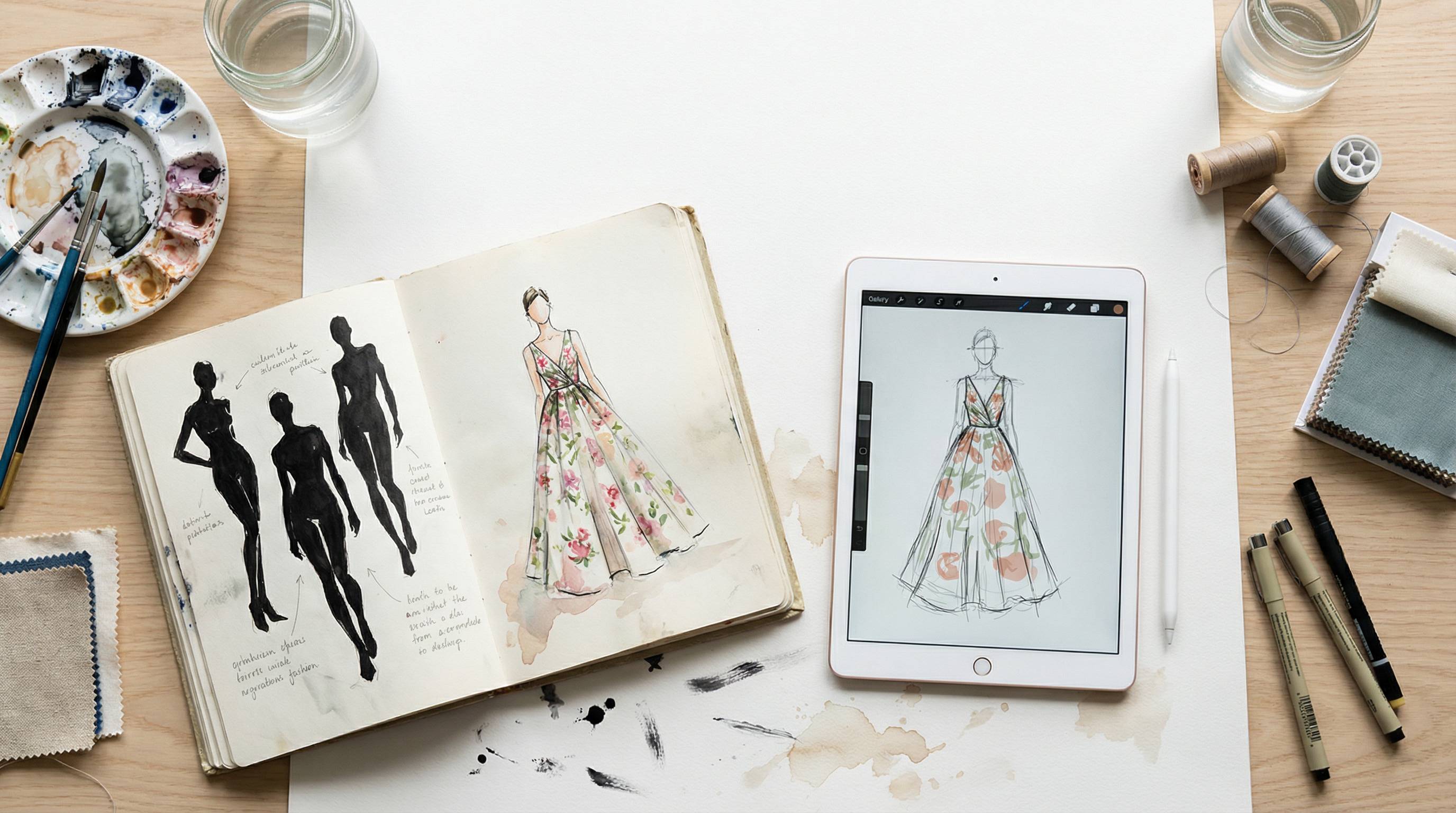
You don’t need sewing skills. Start with a tech pack (detailed spec sheet covering measurements, fabrics, and construction) and use AI tools for initial concepts. Many founders now skip traditional sketching and go straight to 3D simulation.
Finding a manufacturer is the make-or-break step. In 2026, low-MOQ factories (50–150 pieces per style) are widely available for t-shirts (50–200 pcs), hoodies (80–300 pcs), and more. Costs typically run $10–30 per unit depending on fabric, embellishments, and order size—far more competitive than domestic options once you factor in quality and speed.
Prioritize partners who offer sampling, sustainable fabric options (organic cotton, recycled blends), and DPP-ready traceability. They reduce your risk and help you iterate quickly.
Image alt text: Realistic view inside a clothing manufacturer factory production line with workers operating sewing machines on custom apparel batches.
Register your business (LLC is popular for liability protection), secure a business license and seller’s permit if selling online, and trademark your brand name early. Fashion designs themselves are hard to patent, but trademarks and copyrights protect logos and distinctive elements.
For international sales, understand Incoterms and upcoming regulations like the EU’s Digital Product Passport, which requires QR-code-linked data on materials, origin, and circularity by 2027.
Shopify remains the top platform for clothing brands thanks to seamless POD integrations, customizable themes, and built-in analytics. Setup takes hours, not weeks. Optimize product pages with high-quality images, size charts, and rich snippets for better SEO.
Image alt text: Clean Shopify clothing brand e-commerce store checkout and product page interface with seamless mobile-friendly design.
Social commerce via TikTok Shop is exploding—many brands see first sales within days through short-form video and influencer partnerships. Combine this with SEO-optimized product descriptions and email lists. Influencer marketing still delivers strong ROI when matched to your niche.
Image alt text: Mobile screenshots of TikTok Shop clothing brand storefront showing product grids, live shopping, and seamless checkout flow in 2026.
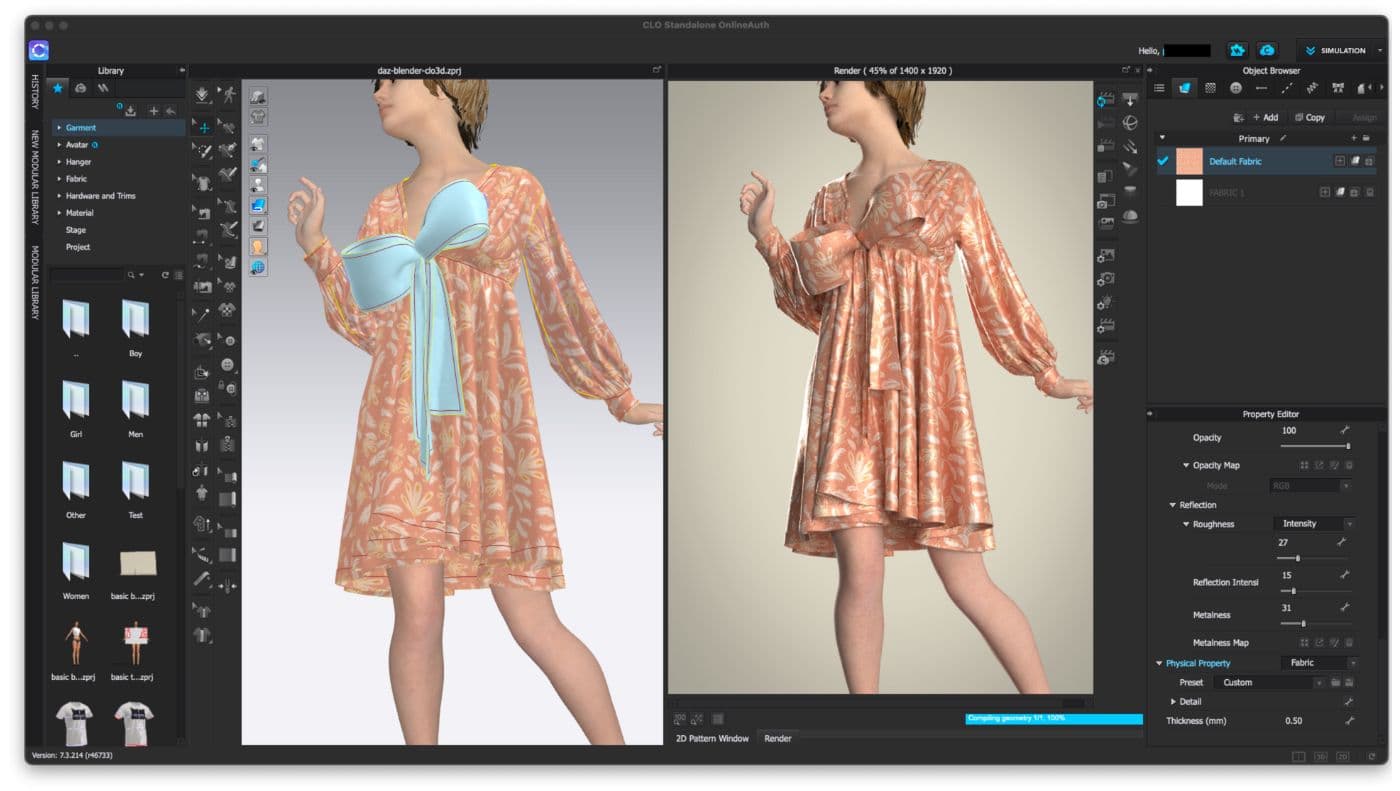
AI has moved from hype to daily operations. Tools like Style3D and CLO 3D cut physical sampling by up to 75% through virtual try-on and realistic fabric simulation. Generative AI helps with pattern creation; 3D prototyping speeds development.
Sustainability is now table stakes. Circular fashion models and Digital Product Passports give consumers full transparency via QR codes on tags—boosting trust and enabling resale/repair loops.
Image alt text: Screenshot of advanced CLO 3D fashion design software interface showing realistic 3D garment simulation and virtual try-on features.
Image alt text: Close-up of a sustainable clothing tag with QR code for Digital Product Passport (DPP) scanning on a smartphone, highlighting traceability.
Inventory management tools integrated with your store keep stock lean. Expect 15–30% return rates in apparel—plan for that in your margins. As you grow, reinvest in better suppliers and expand into wholesale or new markets.
Healthy 2026 benchmarks: 60–70% gross margin, 20–30% operating margin. Track everything monthly so you can adjust pricing or cut costs quickly.
Q: How much money do I need to start a clothing line in 2026?A: $500–$1,500 with POD; $8,000–$30,000 for small-batch custom production. The key is starting small and scaling with real sales data.
Q: Can I start a clothing brand with no experience?A: Absolutely. AI design tools and low-MOQ manufacturers remove traditional barriers. Focus on validation first.
Q: How do I find a clothing manufacturer?A: Look for partners offering 50–150 piece MOQs, tech pack support, and sustainable options. Verify with samples and clear contracts.
Q: What is the best business model for a new clothing brand?A: POD or dropshipping for testing; transition to custom manufacturing once you have proven demand for higher margins.
Q: How do I source sustainable fabrics and comply with 2026 rules?A: Choose suppliers who provide traceable organic/recycled materials and DPP-ready documentation from day one.
Q: How do I get my first sale?A: Launch on TikTok Shop or Instagram with targeted content and a simple store. Offer a strong first-customer incentive.
From the production frontlines in 2026, the clearest trend is this: speed and traceability win. Brands that can prototype virtually, produce in small flexible batches, and prove their sustainability story through DPP will capture loyal customers while others struggle with high inventory risk and regulatory headaches. The biggest opportunity isn’t chasing the next micro-trend—it’s building a resilient operation that turns ideas into profitable, repeatable collections.
Achieving that level of efficiency and brand value starts with choosing the right manufacturing partner—one that understands both technical precision and the emotional side of building a label. That’s exactly the role yiteclothing.com plays as your dedicated OEM/ODM factory. We deliver low-MOQ flexibility (starting at 50 pieces), AI-supported sampling, sustainable fabric sourcing, and full DPP compliance support so you can focus on growth instead of supply-chain headaches. Ready to turn your 2026 vision into reality? Visit yiteclothing.com today and let’s build your winning collection together.