
Views: 0 Author: Site Editor Publish Time: 2026-09-30 Origin: Site


Cotton reigns supreme as the default fabric in global apparel. We find it in everything from basic undershirts to heavy winter hoodies. But does its stellar reputation truly hold up when designing and wearing shorts?
Consumers and brands frequently struggle to balance comfort, durability, and athletic performance. Choosing the wrong fabric often leads to immediate discomfort. Wearers experience severe chafing and heavy moisture retention during active use. For clothing businesses, these material missteps directly cause negative reviews and costly product returns.
This guide provides a clear, evidence-based framework to evaluate cotton as a primary material for shorts. We will weigh its unique structural advantages against its natural limitations. You will learn how different weaves dictate garment performance. Finally, we will explore how smart fabric blending solves common manufacturing challenges.
Cotton is highly breathable and hypoallergenic, making it optimal for casual wear, but it retains up to 27 times its weight in water, limiting its use for heavy athletic activities.
The performance of cotton shorts heavily depends on the weave (e.g., French terry vs. jersey) and fabric weight (GSM).
For activewear and outdoor work, blending cotton with synthetics (polyester/elastane) mitigates shrinkage and improves moisture management.
When sourcing from a custom cotton shorts manufacturer, evaluating preshrunk treatments, GSM, and blend ratios is critical for scalable product success.
Evaluating fabric requires an objective look at molecular structures. We must look beyond exaggerated marketing claims. Cotton consists primarily of cellulose. This natural plant fiber offers distinct physical properties. These properties shape the overall user experience.
Thermal regulation stands out as a top advantage. Pure cellulose fibers allow air to circulate freely. When you wear breathable cotton shorts, body heat easily escapes through the micro-gaps in the weave. This natural ventilation significantly reduces localized heat buildup during warm weather.
Skin compatibility represents another major strength. Dermatologists regularly recommend cotton for sensitive skin. It possesses naturally hypoallergenic properties. Unlike virgin synthetic fibers derived from petroleum, organic cotton causes minimal chemical irritation. Exploring the benefits of cotton shorts often reveals fewer instances of contact dermatitis among wearers.
Durability during the washing cycle adds long-term value. Interestingly, cotton fibers gain tensile strength when wet. You can subject these garments to aggressive laundering. They withstand heavy agitation in modern washing machines. However, you must carefully manage water temperatures to prevent shrinkage.
We must explicitly clarify a common misconception regarding sweat management. Cotton absorbs moisture efficiently, but it does not wick it away. The hydrophilic nature of cellulose means it aggressively pulls water into its core. In fact, raw cotton fibers can hold up to 27 times their own weight in water.
This intense moisture retention creates real-world risks. In high-humidity environments, sweat-soaked shorts cling to the skin. Heavy sweat scenarios drastically prolong drying times. This sustained dampness creates friction. Continuous rubbing inevitably leads to painful chafing during prolonged movement.
"Cotton" defines the raw fiber. It does not describe the finished fabric. The manufacturing weave ultimately dictates the final garment outcome. Designers frame this choice as a critical selection matrix. Different weaves serve entirely different consumer needs.
French terry features a highly specific knitting technique. The interior surface contains hundreds of soft, uncut loops. Conversely, the exterior face remains completely smooth and flat. This dual-texture approach creates a versatile fabric.
Manufacturers position French terry cotton shorts for mild weather use. They excel during athletic warmups and casual athleisure activities. The interior loops provide exceptional comfort and slight warmth. They maintain a moderate weight. This fabric easily absorbs minor perspiration without feeling excessively heavy.
Jersey fabric utilizes a single-knit construction. It feels remarkably lightweight and offers high natural stretch. T-shirts commonly use this exact same material. The drape feels relaxed and effortless against the body.
You will often see this weave used for basic sleepwear. It also creates excellent lightweight cotton shorts for summer. However, consumers should note a few common drawbacks. Pure jersey knit proves prone to rolling at the raw hems. Furthermore, it experiences faster physical degradation if manufacturers do not blend it properly.
Twill fabric utilizes a distinct diagonal rib pattern. You can easily see these diagonal lines upon close inspection. This weaving technique produces a much heavier, rigid textile. It prioritizes structural integrity over fluid movement.
Brands typically select twill for outdoor work shorts, golf apparel, and casual office environments. It boasts exceptionally high abrasion resistance. It easily withstands friction against rough surfaces. However, twill inherently lacks stretch. Designers must blend it directly with spandex if they want to offer mobility.
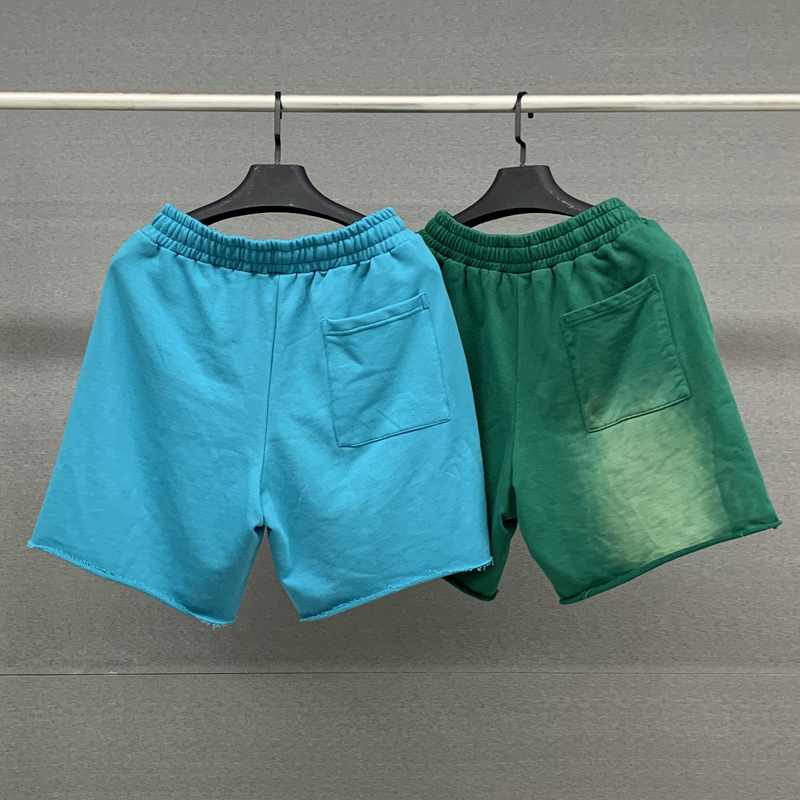
Aligning the specific fabric weave to the end-user's actual use case remains vital. Misalignment directly causes buyer remorse. It also leads to premature product failure. We evaluate three distinct lifestyle applications below.
Pure cotton excels in daily casual scenarios. The exceptional breathability creates a highly pleasant wearing experience. The incredibly soft hand-feel makes these garments ideal for low-exertion heat exposure. Whether lounging at home or running weekend errands, the fabric provides unmatched, effortless comfort.
We must approach gym usage conditionally. Consumers often purchase pure cotton athletic shorts for indoor training. These garments suit weightlifting, stretching, or low-intensity mobility work perfectly. Traditional gym environments often feature strong air conditioning, keeping sweat levels manageable.
However, pure cotton fails during high-intensity cardio or endurance running. As the fabric saturates, the shorts become heavy. They cling restrictively to the thighs. For aggressive sweat scenarios, we strongly recommend a cotton-poly blend. Blends actively prevent the garment from becoming a heavy, restrictive burden.
Manual labor requires a highly cautionary approach. User generated content and field feedback reveal consistent patterns. Heavy cotton twill undeniably protects legs against sharp brush and metal tools. The abrasion resistance works flawlessly.
Unfortunately, it performs terribly at managing sweat during an 8-hour outdoor shift under the sun. Workers often complain about heavy, damp fabric causing severe irritation. Moisture stays trapped against the skin all day. Therefore, workwear demands synthetic blends to ensure occupational comfort.
Buyers and designers need a head-to-head comparison to finalize their material strategy. Choosing between pure fibers and modern blends impacts cost, longevity, and performance.
Pure natural fiber remains the best choice for sustainability. This holds especially true if you source organic or GOTS (Global Organic Textile Standard) certified crops. It delivers ultimate comfort for lounge environments. Consumers deeply appreciate the natural drape.
However, operators face a high shrinkage risk. Untreated pure cotton can shrink up to 5-10% during the first hot wash. Brands must account for this dimensional change during the pattern drafting phase. Otherwise, customers will complain about drastically altered sizing post-purchase.
This ratio represents the absolute commercial standard for modern apparel. Polyester introduces vital structural upgrades. It adds critical dimensional stability, preventing the shorts from warping over time. It dramatically increases tear resistance.
Furthermore, polyester improves colorfastness. Deep blacks and vibrant colors resist fading far longer when synthetics hold the dye. Meanwhile, the remaining cotton percentage maintains necessary breathability. This hybrid approach offers the best balance for general consumers.
Modern consumers demand clothing that moves dynamically. Adding just 5% elastane (spandex) transforms a rigid fabric. It provides essential 4-way stretch. This stretch proves necessary for modern athletic cuts and fitted casual styles.
Crucially, this low percentage maintains the natural, soft cotton feel. The wearer rarely notices the synthetic addition by touch. They only notice the enhanced mobility when crouching or running.
Table 1: Fabric Blend Evaluation Matrix
| Material Composition | Key Advantage | Primary Weakness | Best Use Case |
|---|---|---|---|
| 100% Cotton | Maximum breathability and softness | High shrinkage and moisture retention | Loungewear, sleepwear, casual summer wear |
| Cotton-Poly (60/40) | High durability and color retention | Slightly reduced airflow | General activewear, everyday casual shorts |
| Cotton-Elastane (95/5) | Excellent 4-way stretch and mobility | Requires careful heat management in wash | Fitted shorts, golf apparel, modern athleisure |
Business-to-business sourcing requires strict attention to technical details. Decision-stage guidance helps brands vet suppliers and scale production safely. You must communicate precise specifications to your manufacturing partners.
Grams per Square Meter (GSM) dictates the thickness and application of your fabric. Never order material without confirming this metric first.
120-160 GSM: This weight feels entirely too sheer for quality outerwear. It lacks structural integrity. Reserve this lightweight fabric strictly for innerwear, sleepwear, or very cheap promotional items.
180-250 GSM: This range represents the industry sweet spot. It works perfectly for standard summer apparel and lightweight jersey knits. It drapes well while hiding undergarment lines.
280-350+ GSM: This heavyweight category signals premium quality. You should specify this range for high-end French terry or thick fleece styles. It offers excellent structure and durability.
Brands must actively protect their sizing consistency. Always require pre-shrunk (garment-washed) fabric from your suppliers. This crucial step ensures the garment maintains its intended shape post-sale. Skipping this step guarantees negative reviews regarding sudden shrinkage.
You should also verify chemical safety. Look for OEKO-TEX Standard 100 certifications. This guarantees the textile contains no harmful substances. If you target eco-conscious demographics, demand GOTS certification. These verifiable credentials build immense consumer trust.
Never commit to high Minimum Order Quantities (MOQs) blindly. Always start by ordering precise tech packs. Require physical prototypes first. You must personally test the fabric for colorfastness.
Perform a "crocking" test. Rub a white cloth against the dyed fabric to see if color transfers easily. Wash the sample multiple times to track pilling and warping. Only after the sample passes these aggressive stress tests should you authorize large-scale production.
Cotton undeniably remains an excellent material for shorts, provided you apply it correctly. Its natural breathability and soft texture deliver unparalleled everyday comfort. However, success depends entirely on matching the weave and fabric weight to the specific intended activity. Heavyweight terry suits cool warmups, while lightweight jersey conquers summer heat.
Consider these actionable next steps:
For consumers: Always check the inner care label before buying. Look for synthetic blends if you plan to sweat, and check for "pre-shrunk" indicators to ensure a lasting fit.
For brands: Request multiple fabric swatches during development. Clearly specify your target GSM and blend ratios. Demand rigorous chemical compliance from your manufacturing partner to ensure the final product meets your marketing claims.
A: Yes, they typically shrink between 3% and 5% during their first wash. This occurs because the natural fibers contract when exposed to heat and agitation. Unless the manufacturer explicitly uses pre-shrunk fabric, you will experience size reduction. We strongly recommend washing pure cotton garments in cold water and hanging them on a line to dry.
A: They are perfectly fine for low-impact workouts and heavy weightlifting. The breathable nature keeps you comfortable during short intervals. However, they perform poorly for heavy cardio or distance running. The fabric absorbs moisture rapidly but fails to wick it away. This leaves you wearing heavy, wet fabric that easily causes chafing.
A: Cotton refers to the actual raw plant fiber. French terry refers to a specific knitting technique. Manufacturers usually make French terry out of cotton fibers. This specialized knit creates a smooth exterior face alongside a looped, moisture-absorbing interior. It provides superior comfort and structure compared to standard flat weaves.


