Views: 0 Author: Site Editor Publish Time: 2026-10-01 Origin: Site
Ever found the perfect graphic design on a garment, only to freeze when it came time to pick the fit? Choosing streetwear sizes often confuses buyers today. The line between intentional styling and accidental bagginess is thinner than ever. Should you buy your true size, or go for that relaxed, draped aesthetic?
The streetwear industry has evolved dramatically from its niche skate and hip-hop origins into a dominant force in luxury fashion. Market analysts tracking global apparel data note a fascinating shift in consumer behavior. The demand for voluminous silhouettes continues to surge, heavily influenced by retro skate culture and high-fashion runway adaptations. Brands are actively moving away from slim cuts, favoring structural volume that offers broad, gender-neutral appeal. Simultaneously, a counter-trend of tailored streetwear is emerging for smart-casual environments. Consumers are demanding garments that act as architectural pieces rather than just basic covers. They are curating specific shapes to match distinct social settings.
In this comprehensive guide, we break down the exact anatomical differences between these popular silhouettes. You will learn how to navigate modern garment construction. This knowledge will help you choose the right fit confidently without falling into common sizing traps.
Before making any purchasing decisions, establishing a clear baseline of garment terminology is essential. Understanding the anatomical construction of different silhouettes prevents costly sizing mistakes. It ensures your wardrobe functions exactly as intended.
The regular fit, often referred to as a standard fit, is tailored to follow the natural lines and contours of the human body without clinging restrictively to it. In pattern making, this silhouette is graded to provide a balanced amount of ease. This usually allows for one to two inches of extra fabric around the chest and torso to facilitate comfortable movement.
The key characteristics of this classic cut are highly standardized. The shoulder seams are engineered to sit perfectly at the acromion process, which is the bony tip of the outer shoulder. Sleeves typically end at the mid-bicep, providing a clean, structured appearance. Furthermore, the chest remains tailored but not skin-tight. The hem generally falls just below the belt line, resting near the high hip. This precise construction ensures the garment looks intentional and neat, making it a reliable standard across almost all apparel categories.
In the context of modern fashion, a baggy aesthetic is a deliberate design choice rather than a sizing accident. An expansive garment is engineered from scratch to drape loosely away from the body while maintaining specific structural boundaries. This meticulous drafting ensures the wearer does not look like they are swimming in borrowed clothing.
The anatomical differences are distinct and purposeful. These tops feature dropped shoulders, meaning the shoulder seam falls several inches down the upper arm rather than sitting on the shoulder bone. The sleeves are significantly wider, often extending to the elbow or slightly below. Specifically, the chest is cut in a boxy shape to provide substantial width. The hem might be slightly cropped to maintain leg proportion or extended for a layered look.
Crucially, there is a strict distinction between a loose fit and a true voluminous cut. Buying a double extra-large regular tee when your true size is Large distorts the neckline and makes the garment disproportionately long. In contrast, a properly engineered piece maintains a fitted collar and appropriate vertical length while expanding the horizontal width and shoulder drop.
The baggy trend has successfully transitioned from niche skate parks to the prestigious runways of luxury fashion houses. Understanding how to navigate this voluminous silhouette is vital for anyone looking to elevate their modern wardrobe.
Voluminous silhouettes dominate high fashion because they fundamentally challenge traditional tailoring rules. They communicate a laid-back, effortless attitude while prioritizing maximum physical comfort. Additionally, Oversized streetwear clothing possesses a strong gender-neutral appeal. This allows garments to be styled fluidly across different body types and personal aesthetics. The extra fabric creates a dynamic visual drape, especially when the wearer is in motion, adding a layer of architectural interest to an otherwise simple outfit.
Wearing expansive clothing successfully requires strict adherence to the rule of proportions. If every piece of clothing you wear is excessively baggy, the overall look can quickly become bulky and unkempt. The ultimate goal is to achieve visual harmony.
If you are wearing a massive, boxy top, it is generally advisable to pair it with slightly tapered cargo pants, straight-leg denim, or structured shorts. This strategic pairing grounds the outfit and prevents your natural body shape from being entirely obscured. Conversely, if you opt for extremely wide-leg parachute pants, balancing them with a slightly more fitted or cropped top maintains proportion. Footwear also plays a pivotal role. Chunky sneakers often pair better with heavy drapes, as slim-profile shoes can make your feet look disproportionately small compared to the volume of the clothing.
Pros:
Cons:
While voluminous silhouettes currently dominate the trend cycle and social media feeds, the standard fit remains the undisputed backbone of functional fashion. For readers who prefer a traditional, tailored, or highly versatile urban look, the standard cut is absolutely indispensable.
Standard-cut garments are the ultimate wardrobe staples primarily because of their layering efficiency. When building a complex outfit involving flannels, heavy denim jackets, or utility vests, a standard cut serves as the perfect base layer.
Because the fabric sits closer to the body and the armholes are cut higher, these pieces do not bunch up, wrinkle, or create uncomfortable friction under heavier outerwear. This structural integrity ensures that your outer layers sit cleanly, maintaining a sharp and intentional silhouette throughout the day.
Industry analysts have noted a rapidly growing sub-trend known as tailored streetwear. This style masterfully blends the clean lines of traditional menswear with the casual fabrics and graphic elements of street culture. A standard fit perfectly bridges the gap between casual urban wear and smart-casual environments. A crisp, clean regular-fit T-shirts paired with pleated trousers and premium leather sneakers creates a mature aesthetic. This look is entirely acceptable in creative offices, upscale casual dining, and everyday social settings.
Pros:
Cons:
When building a functional and versatile wardrobe, understanding the technical and aesthetic differences between various silhouettes is essential. The debate between these two cuts is not simply about following current trends. It involves analyzing how garments interact with the human body, the physical environments in which they are worn, and the overall structural integrity of the clothing.
| Feature | Regular Fit | Oversized Fit |
|---|---|---|
| Shoulder Seam | Sits exactly on the shoulder bone. | Dropped several inches down the arm. |
| Chest Width | Tailored, allowing 1-2 inches of ease. | Boxy and wide, standing away from the torso. |
| Ideal Fabric Weight | 150 - 220 GSM for easy layering. | 250 - 400+ GSM to hold structural shape. |
| Mobility | Excellent for active daily routines. | Unrestrictive, but can bunch under jackets. |
| Overall Vibe | Classic, sharp, and versatile. | Modern, relaxed, and avant-garde. |
From a purely functional standpoint, comfort and mobility are dictated by how a garment pattern is drafted. Standard-fit garments are engineered with traditional armholes, known as scyes in pattern making, and shoulder slopes that closely mirror the natural anatomy of the wearer. This tailored approach ensures that the fabric stays relatively close to the body, providing a secure and structured feel. For individuals engaging in active daily routines, this offers superior, unimpeded mobility without excess fabric getting in the way.
Conversely, baggy gear offers a breezy, unrestrictive environment for the torso. The dropped armholes and widened chest measurements mean the fabric rarely pulls against the skin. Many find this exceptionally comfortable for lounging or casual urban exploration. However, this added volume can sometimes hinder mobility if the garment is layered improperly under a slim-cut jacket, causing uncomfortable bunching around the armpits.
Clothing fit interacts uniquely with different human anatomies. While personal style remains highly subjective, certain structural guidelines can help individuals choose silhouettes that complement their natural frames.
The success of any streetwear silhouette heavily depends on the fabric weight and its resulting drape. In textile manufacturing, fabric weight is typically measured in GSM, or Grams per Square Meter.
For standard-fit garments, lighter to mid-weight fabrics ranging from 150 to 220 GSM are often preferred. These materials allow the clothing to contour smoothly to the body without feeling stiff or overly warm, making them ideal for seamless layering.
Baggy silhouettes, however, require structural integrity to maintain their intended boxy shape. If a drop-shoulder shirt is made from a lightweight, flimsy material, it will drape poorly, clinging to the body in awkward places. Therefore, premium baggy apparel relies on heavyweight cotton. You will typically see 220 to 300 GSM for t-shirts, and 400 GSM or higher for fleece. This heavier material creates a rigid, architectural drape that stands away from the body, delivering a luxurious, structured aesthetic.
Whether you are an individual looking to curate a highly personalized closet or an entrepreneur launching a new apparel brand, selecting the right blank canvas is the critical first step. The fit of the garment fundamentally changes how graphics, embroidery, and specialized washes are perceived by the end consumer.
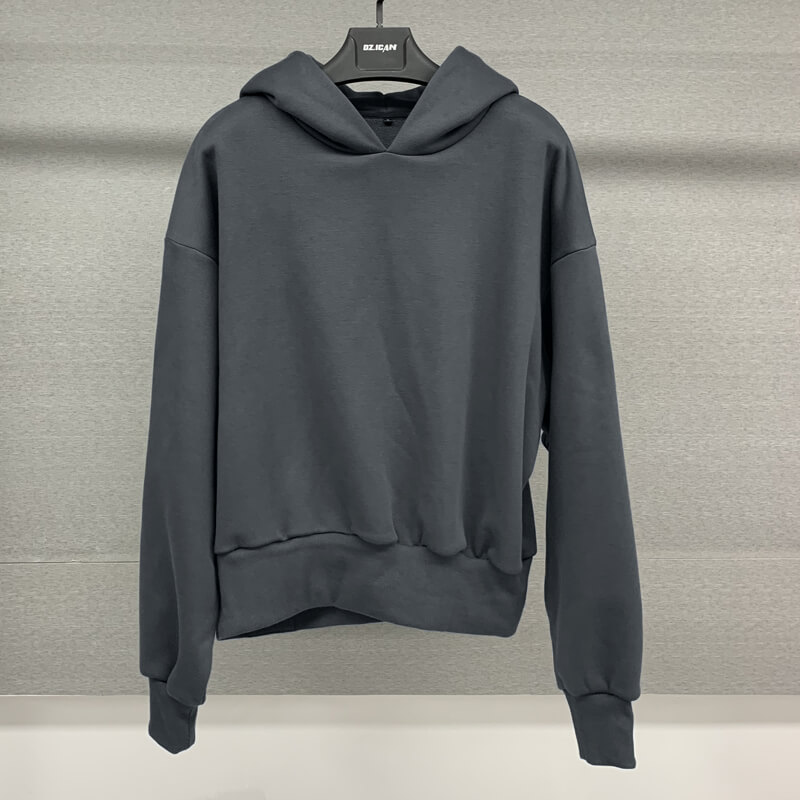
The heavyweight pullover is arguably the most essential staple in modern street culture. When designing custom hoodies, the roomy, drop-shoulder silhouette has become the industry gold standard. A meticulously crafted piece features a 400 GSM heavyweight fleece blend, widened shoulders, an expanded chest, and a slightly cropped hem that allows the thick fabric to pool naturally around the waist.
This specific cut provides a premium, expansive canvas for large-scale graphics. Because the fabric sits wider and flatter across the chest and back, intricate embroidery and puff prints are displayed prominently without stretching or distorting. Furthermore, utilizing a heavy fleece blend ensures that the hood maintains its structure and stands up rigidly behind the neck. This is a key indicator of high-quality manufacturing.
While avant-garde trends dominate high fashion runways, building a lineup of standard tees remains absolutely crucial for everyday utility and cohesive brand merchandising. A well-constructed standard tee serves as the ultimate transitional piece. It is versatile enough to be worn entirely on its own during warmer months or utilized as a foundational base layer during the winter.
When selecting standard options, attention to detail is paramount. The shoulder seams must align precisely with the wearer natural acromion bone, and the sleeves should ideally terminate right at the mid-bicep. This tailored approach appeals to a much broader demographic, offering a classic, clean aesthetic that is easy to predict when sizing for a wide audience.
Fit is merely the structural foundation of a garment. Customization is what injects it with true identity. The urban apparel market thrives on exclusivity and unique design languages. Once the foundational debate between silhouettes is settled, the application of specialized treatments elevates a basic blank into a coveted fashion statement. Techniques like acid washing, garment dyeing, or distressed detailing add immense commercial value.
Consumers and brand owners alike must consider how different cuts interact with these customizations. For instance, a vintage acid wash often pairs beautifully with a heavyweight drop-shoulder tee, mimicking the natural, lived-in wear of a retro garment. Conversely, subtle, minimalist left-chest embroidery often looks sharpest on a crisp, standard-cut silhouette.
Navigating apparel sizing can be notoriously difficult due to the lack of universal standardization across different brands. Consumers frequently make purchasing errors that result in ill-fitting garments and frustrating return processes. Understanding these common pitfalls will save you considerable time and money.
The most prevalent misconception in fashion is the belief that buying a standard garment two sizes larger will automatically achieve a trendy, baggy look. This is anatomically incorrect. When a manufacturer grades a pattern up from a Large to a double extra-large, they increase all dimensions proportionally.
Consequently, sizing up a standard cut results in an overly wide neck opening that awkwardly exposes the collarbones. The sleeves pass the elbows clumsily, and the hemline extends disproportionately down the thighs, resembling a dress rather than a stylized shirt. True voluminous garments are intentionally engineered. The body is widened and the shoulders are dropped, but the neckline remains tight and the overall length is carefully controlled to prevent a sloppy appearance.
Evaluating the collar and shoulder construction is the most reliable way to judge the quality of a garment fit before pulling out your credit card. In premium apparel, a baggy shirt should feature a high, tight crewneck collar. A snug collar anchors the garment, providing a neat, intentional contrast to the expansive proportions of the torso. If the collar is loose and drooping, the shirt immediately looks worn-out and unrefined.
Similarly, shoulder seams dictate the structural intent of the piece. On a standard cut, the seam must sit squarely on the edge of the shoulder. On a relaxed cut, the dropped seam should fall cleanly on the upper bicep without causing the fabric under the armpit to bunch aggressively.
Because the definition of baggy varies drastically between a Japanese minimalist label, a European luxury house, and an American skate brand, relying solely on standard letter sizing like Small, Medium, or Large is a massive gamble.
The most empirical way to guarantee a perfect fit is to measure a favorite shirt you already own. Lay it completely flat on a table and measure the pit-to-pit width and the high-point-shoulder to hem length. Comparing these exact personal measurements against a brand specific size chart eliminates guesswork. It ensures the dimensions align perfectly with your stylistic expectations.
Making the final purchasing decision ultimately comes down to aligning the garment construction with your personal style goals, daily environments, and comfort preferences. Use this quick, objective decision framework to determine your ideal investment.
Choose the Oversized Silhouette If:
Choose the Regular Fit If:
Ultimately, neither fit is objectively superior for everyone. The right choice heavily depends on your personal style goals, daily utility needs, and anatomical proportions.
Mixing and matching both silhouettes is the most effective way to build a dynamic, highly versatile wardrobe. You might rely on standard cuts for crisp, layered smart-casual looks, while reserving heavy, drop-shoulder pieces for relaxed, statement-making weekend wear. True street culture is fundamentally about authentic self-expression and breaking the rules creatively.
Ready to upgrade your collection with high-quality blanks and custom apparel? Explore premium standard tees and meticulously crafted heavyweight outerwear at Yite Clothing today. Start building your perfect urban outfit and express your unique aesthetic with absolute confidence.
It certainly can if it is styled incorrectly. Because these garments carry extra fabric and volume, they inherently add visual weight to your frame. To avoid looking bulky or disproportionate, it is crucial to balance the voluminous top with more fitted or slightly tapered bottoms. Additionally, selecting high-quality heavyweight fabrics that drape cleanly, rather than stiff or overly flimsy materials that bunch up, will help maintain a structured, intentional silhouette.
Sizing down an intentionally baggy garment is generally not recommended. While purchasing a smaller size might resolve the issue of excess width in the chest, the garment specific proportions will still look incredibly awkward. The dropped shoulder seams will land in an incorrect position, and the neck hole may become uncomfortably tight. If you desire a standard, tailored look, it is always better to purchase a garment specifically designed with a standard-fit pattern.
Absolutely. While voluminous silhouettes are currently dominating mainstream trends and luxury runways, standard cuts remain a timeless staple within the culture. They are particularly essential in vintage aesthetics and skate core looks. Furthermore, they are indispensable functional pieces. They serve as the perfect base layers under flannels, zip-up hoodies, and heavy jackets where excess baggy fabric would be a frustrating hindrance.
For these garments to look premium and intentional, they require significant structural integrity. Heavyweight cotton is the ideal choice. For t-shirts, you should look for fabrics ranging from 220 to 300 GSM. For fleece items like pullovers, 400 GSM or higher is optimal. These heavier weights hold the intended boxy shape, prevent the fabric from clinging awkwardly to the body, and provide the luxurious drape associated with high-end urban apparel.
An oversized shirt is too big if the collar droops loosely around your neck, exposing your collarbones unintentionally. Additionally, if the shoulder seams fall past your elbows, or the hemline completely covers your shorts or pants like a dress, the garment has crossed from stylishly baggy to ill-fitting. A properly engineered piece should still frame your neck securely and maintain a reasonable vertical length.
It depends entirely on your office dress code. In strict corporate environments, voluminous silhouettes are generally considered too casual. However, in creative agencies or tech startups with smart-casual policies, you can successfully integrate these pieces. The key is elevation. Pair a clean, unbranded heavyweight drop-shoulder tee with tailored pleated trousers and premium leather loafers to strike the perfect balance between relaxed and professional.