Views: 0 Author: Site Editor Publish Time: 2026-10-24 Origin: Site
Once relegated to the concrete bowls of local skate parks, streetwear clothing has rapidly matured. Today, it dictates the tempo of global runways. The industry has firmly pivoted away from fleeting hype. We are now looking at a sophisticated aesthetic. This new standard is grounded in textile engineering, structural design, and deliberate proportions.
The 2027 fashion landscape relies on a calculated formula. It blends extreme physical ease with nostalgic analog aesthetics. Modern consumers demand garments that offer unrestricted movement. Yet, they refuse to sacrifice architectural silhouettes. Brand owners must grasp the defining structural shifts of the year to remain competitive. Specifically, this means understanding the market dominance of voluminous cuts, retro-inspired fabric treatments, and highly customizable bottoms.
This guide provides an objective, evidence-based analysis of the current market. It serves as a comprehensive resource for buyers and brands looking to navigate the structural shifts in modern street style.
The intersection of high fashion and daily wear has reached its absolute peak. Luxury designers have repeatedly demonstrated that everyday materials like fleece and heavy cotton can be manipulated into structured, high-end garments. Consequently, this runway-to-street pipeline has elevated consumer expectations across the board. Manufacturers are now forced to improve their stitching techniques, fabric sourcing, and pattern drafting. This is required just to keep up with the baseline demands of the everyday buyer.
Industry analysts tracking global apparel supply chains note a massive shift in production priorities for 2027. The era of thin, disposable fast fashion is collapsing. Market data shows a significant increase in B2B demand for ultra-heavyweight cotton and structurally rigid fleece. This trend aligns with a broader consumer push toward investment pieces. Buyers want garments that age gracefully. They expect heavy fabrics that develop a unique patina over time rather than falling apart after three washes. As a result, global supply chains are actively retooling their facilities to handle denser yarns and more aggressive washing techniques.
Following the digital fatigue of the late 2020s, consumers have developed a strong psychological preference for tactile, physical-feeling garments. Analog dressing explicitly rejects the hyper-polished, glossy synthetic look of early 2020s fast fashion. In contrast, it favors natural fibers, visible textures, and materials that show natural wear. The ultimate goal is to wear clothing that feels authentic and deeply grounded in the physical world.
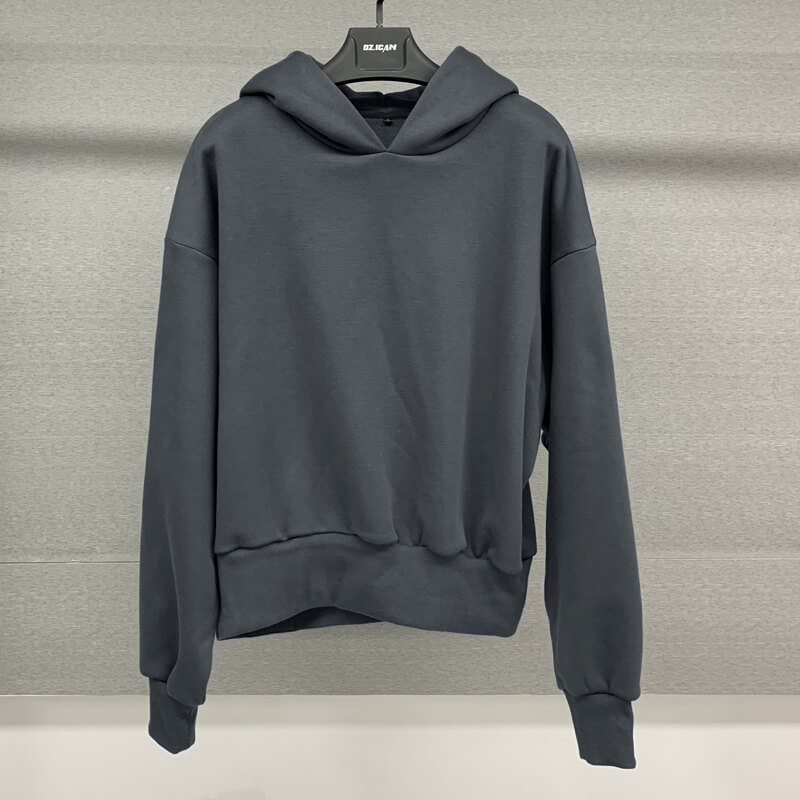
The concept of oversized has matured significantly. Achieving a baggy look no longer means simply purchasing a garment two sizes larger. That approach creates a sloppy, unflattering drape. Instead, it requires deliberate architectural design. Picture pulling on a dense, 400 GSM heavyweight fleece top. It holds its boxy shape without clinging to your body. That is the current engineering standard. The modern silhouette relies on specific structural changes. Think dropped shoulders, widened chest measurements, and slightly cropped hemlines. These elements prevent the fabric from swallowing the wearer's frame.
| Design Element | Traditional Fit Characteristics | 2027 Engineered Oversized Fit |
|---|---|---|
| Shoulder Seam | Rests exactly on the natural shoulder bone. | Dropped 2 to 4 inches below the shoulder for a relaxed drape. |
| Chest Width | Tapered to follow the natural torso lines. | Widened significantly to create a boxy, square profile. |
| Hem Length | Falls below the hips. | Slightly cropped to maintain proportion with wide pants. |
| Sleeves | Fitted closely to the arm. | Elongated and voluminous, pooling slightly at structured cuffs. |
From a manufacturing standpoint, the quality of the base garment dictates the success of the entire look. Lightweight fabrics fail to hold the necessary boxy shape. To achieve the correct structural integrity, sourcing high-density cotton is essential. Investing in premium oversized hoodies—specifically those featuring a 400 GSM weight, double-lined hoods, and flatlock stitching—provides the exact foundation required for the authentic 2027 aesthetic.
The faded, lived-in look of a vintage shirt is rarely achieved by accident. It requires aggressive industrial manufacturing techniques. Acid washing utilizes pumice stones soaked in bleach to strip color unevenly. This creates the high-contrast mottling reminiscent of the 1990s grunge era. Meanwhile, enzyme washing uses organic catalysts. These enzymes break down the surface cellulose fibers of the cotton. The result is an exceptionally soft hand-feel and subtle color degradation. Crucially, this process does not ruin the core tensile strength of the fabric.
A properly washed tee serves as a critical layering tool. Imagine a muted, desaturated charcoal shirt peeking out from beneath a heavy olive jacket. The varied texture breaks up the monotony of flat colors. When acquiring faded apparel, the primary challenge is ensuring durability. Low-quality cotton will thin out and warp during the chemical washing process. Buyers should prioritize heavyweight cotton, typically 200 to 250 GSM. You can easily upgrade your base layers by sourcing specialized vintage-wash T-shirts that feature reinforced collar ribbing to maintain a tight neckline despite the heavy wash.
For the past decade, the urban uniform heavily relied on tapered joggers with tight elastic cuffs. In 2027, this style has experienced a massive drop in cultural relevance. Tight ankles disrupt the visual flow of an outfit. They pinch the fabric and limit footwear visibility. Open hems and wider leg openings have officially become the industry standard.
Flared bottoms solve a very specific styling problem. They dictate how soft fabric drapes over large, chunky sneakers or heavy boots. By widening gently from the knee down, the pant leg falls cleanly over the shoe. This creates a seamless transition that elongates the profile. It adds a tailored, architectural element to otherwise casual loungewear.
As consumers move away from generic fits, the demand for specialized tailoring has surged. Buyers actively look for unique washes, specific inseam lengths, and localized embroidery. For fashion brands aiming to stay aligned with current structural trends, exploring custom sweatpants offers the exact flexibility needed. Features like adjustable open hems and heavy fleece construction are now non-negotiable requirements for a competitive inventory.
Building a competitive inventory requires strict adherence to technical specifications. Vague descriptions like heavy or baggy are no longer sufficient. You must evaluate garments based on objective metrics.
For outerwear and hoodies, demand a minimum of 350 to 400 GSM fleece. Ensure the pattern features a drop-shoulder seam sitting at least two inches below the natural shoulder line. The hood must be double-layered to maintain a rigid, stand-up structure. For base layers, vintage tees require 200 plus GSM cotton. Specify enzyme washing over standard bleach washing to preserve the tensile strength of the cotton fibers. For bottoms, transition away from lightweight french terry. Opt for 350 GSM brushed fleece with a flared or straight-leg cut. Ensure the waistband utilizes a high-tension elastic core to support the heavier fabric weight.
Streetwear clothing trends in 2027 prioritize extreme comfort, undeniable quality, and architectural shapes. The era of form-fitting basics has passed. We are now in the age of engineered oversized fits and nostalgic vintage washes. Flared bottoms have replaced standard joggers, offering a structured silhouette that drapes perfectly over modern footwear.
Personalized, heavyweight garments offer far better commercial value than mass-produced fast fashion. If you are a brand owner or wholesale buyer looking to upgrade your product lines, generic blanks will not cut it. You need precision manufacturing. Start building your trend-proof collection today by partnering with a reliable manufacturer. Explore the premium, customizable apparel options at Yite Clothing to find the exact heavy GSM hoodies, vintage tees, and custom bottoms that meet the rigorous demands of the 2027 market.
The core trends include analog dressing, engineered oversized silhouettes, vintage-wash fabrics, and uniquely tailored bottoms like flared sweatpants. The industry focus has shifted entirely toward heavy fabric quality, personalized touches, and engineered structural drape.
In 2027, a true heavyweight streetwear hoodie should be between 350 and 400 GSM. This density provides the necessary structural rigidity to maintain a boxy, oversized drape without clinging to the body.
Yes, they remain a foundational pillar of modern fashion. However, the 2027 focus is specifically on heavier, premium fabrics and deliberately engineered dropped-shoulder designs, rather than simply purchasing a standard-fit hoodie in a larger size.
Flared sweatpants provide a superior drape over chunky footwear. Unlike elastic-cuff joggers that pinch at the ankle and disrupt the silhouette, flared hems create a clean, continuous line that elongates the wearer's legs and complements bulky sneakers.
To avoid looking like you are wearing generic gym clothes, pair tailored or flared sweatpants with deliberate, layered tops. A crisp, faded vintage tee worn beneath an unzipped, heavyweight boxy hoodie instantly elevates the loungewear into a calculated street-style fit.
You can source premium, trend-ready blanks and customizable pieces directly from specialized apparel manufacturers. Look for suppliers who transparently offer high GSM cotton options, advanced enzyme washing techniques, and the ability to tailor specific inseams and shoulder drops to meet 2027 standards.