Views: 0 Author: Site Editor Publish Time: 2026-05-28 Origin: Site
Scaling an ambitious apparel brand usually hits a brutal bottleneck during the production stage. Unpredictable fulfillment, inconsistent sizing drops, and limited fabric sourcing quickly cap your growth ceiling. Transitioning away from ad-hoc suppliers or basic print-on-demand setups requires a dedicated, professional approach. Aligning your operations with a dedicated Streetwear Manufacturer demands an upfront investment of time and capital. However, this transition fundamentally shifts your production from a variable liability into a powerful strategic asset.
This article objectively evaluates the structural, financial, and operational advantages of formalizing a manufacturing partnership. By understanding these production dynamics, decision-makers gain a clear, actionable framework for securing long-term returns. You will discover exactly how to eliminate operational friction, scale your product lines effectively, and elevate your brand's overall market positioning.
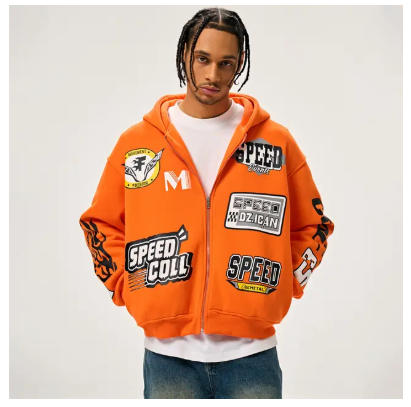
Accumulated Efficiency: Long-term manufacturing partnerships eliminate the costly cycle of re-explaining brand standards, reducing time-to-market with each production run.
Supply Chain Resilience: Professional manufacturers stabilize drop schedules, ensuring inventory arrives on time to capitalize on marketing momentum.
Margin Protection: Evaluating "total landed cost" rather than just "unit price" reveals how professional quality control reduces invisible losses from defects and returns.
Category Expansion: A mature manufacturing partner acts as a development consultant, providing access to specialized streetwear fabrics (e.g., heavy French Terry, technical blends) and complex finishing techniques.
Many brand owners fall victim to the "progress illusion." You hit a sudden production snag, fire your current supplier, and immediately hire a new one. This action feels like forward momentum. In reality, you just reset your growth timeline. You lose vital structural alignment. Every new factory relationship starts entirely at zero, forcing you to rebuild your operational foundation.
Founders frequently treat structural issues as isolated factory problems. You might blame a vendor for poor collar ribbing and switch partners. The new vendor gets the collar right but entirely miscalculates the shoulder drop. You spend months fixing issues you already solved last year. This cycle drains resources and stalls brand momentum.
A dedicated manufacturing partner completely ends this exhausting loop. They build deep, shared context over time. They meticulously learn your specific sizing grades. They memorize your unique drape preferences. They understand your design adjustment habits. This relationship evolves rapidly from simple familiarity into powerful accumulated efficiency.
Consider the core elements driving this shared context:
Sizing Standardization: Factories internalize your unique grading rules, ensuring a medium always fits like your specific medium.
Aesthetic Alignment: Partners grasp your preferred wash levels, distress intensities, and color-matching standards.
Feedback Integration: Past corrections permanently update your master file, preventing the same error from recurring in future batches.
When you achieve accumulated efficiency, the factory begins anticipating your Tech Pack nuances. They know you prefer a specific stitch tension for heavy fleece. They require far fewer pre-production samples. This anticipation drastically shortens the development phase. You get products to market faster. You stop wasting critical capital on redundant sampling rounds.
Generalist apparel factories hit a capability ceiling very quickly. They excel at standard corporate wear or basic blank t-shirts. They severely lack the specialized machinery necessary for high-end streetwear. You simply cannot execute custom distressing, precise high-density puff printing, or complex cut-and-sew paneling using basic equipment.
Partnering with a true professional transforms your product trajectory. You gain immediate, direct access to advanced material sourcing. You bypass expensive intermediaries and fabric brokers. You secure premium, trend-relevant textiles straight from the source. This includes heavyweight 400gsm organic cotton, technical neoprene fabrics, or specialized selvedge denim.
Complex fabrication directly elevates your brand's perceived value. Consumers easily spot the profound difference between a standard blank garment and a custom-engineered silhouette. When you execute multi-process garments flawlessly, you easily justify higher retail price points. You improve your market positioning. You separate your brand entirely from competitors relying on generic merchandise.
| Capability | Generalist Apparel Factory | Specialized Streetwear Partner |
|---|---|---|
| Fabric Weight Limits | Struggles beyond 250gsm; limited heavy machine access. | Routinely processes 400gsm+ heavy French Terry and fleece. |
| Print Techniques | Basic screen printing and simple digital transfers. | Puff print, discharge, high-density, and custom flocking. |
| Wash & Finishing | Standard enzyme washes only. | Acid washes, custom distressing, and vintage overdyes. |
| Pattern Making | Standard tubular fits and basic block patterns. | Oversized, dropped-shoulder, and complex asymmetrical cuts. |
Streetwear revenue heavily relies on scheduled drops and seasonal hype. You build massive anticipation. You run targeted social countdowns. You leverage influencer momentum. In this high-stakes ecosystem, a minor two-week production delay completely destroys your marketing campaign's return on investment. Customers lose interest. Hype fades rapidly.
The financial cost of delays proves catastrophic for growing brands. Professional partners actively mitigate this risk. They provide highly transparent capacity mapping. They enforce rigid, reliable delivery schedules. They tell you exactly when raw materials arrive, when fabric cutting begins, and when finished goods ship.
To successfully execute a drop model, you must master these production timeline phases:
Material Securing (Days 1-10): Locking in custom fabrics and specialized trims before cutting begins.
Prototyping & Approval (Days 11-25): Finalizing pre-production samples to ensure absolute design accuracy.
Bulk Execution (Days 26-50): Cutting, sewing, and applying complex printing techniques across the entire order.
Quality Assurance & Freight (Days 51-60): Conducting final stitch checks and coordinating rapid logistics to your fulfillment center.
Agile output remains essential. A strong partner deeply supports limited-run pre-order models. This strategy allows you to test market demand safely. You avoid holding expensive dead stock. Simultaneously, professional partners maintain robust infrastructure to scale rapidly. If a specific hoodie goes viral overnight, they seamlessly transition your brand into larger bulk orders without sacrificing quality.
Brands frequently fall for the low-price fallacy. You choose a vendor based solely on the absolute lowest quoted unit price. This reactive decision almost always results in substantially lower profit margins. Hidden expenses quickly devour your bottom line. Cheap unit prices often mask expensive operational failures.
You must rigorously evaluate the total landed cost. This comprehensive metric includes freight, customs duties, internal rework, and invisible losses from defects. Integrated quality control actively prevents these catastrophic batch failures. True end-to-end quality assurance matters immensely. It starts right from raw material inspection and extends to final stitch and packaging checks.
Consider the true economics of your landed costs. Paying a slightly higher upfront unit price to a premium partner consistently yields a superior return on investment. You face drastically reduced defect rates. Your customer return rates plummet. You completely eliminate expensive third-party quality control contractors. Most importantly, you fiercely protect your brand reputation.
Transactional vendors solely execute the instructions you provide them. They act entirely passively. If your Tech Pack contains a structural flaw, they blindly sew the flaw. They ship you defective goods. They inevitably blame your original instructions. This transactional mindset stifles true brand innovation.
Evolving beyond basic cut-and-sew operations requires a strategic development partner. A dedicated professional actively flags engineering flaws long before bulk production begins. They review your Tech Pack critically. They spot construction issues immediately. They protect your capital by preventing costly manufacturing mistakes.
Professional partners offer substantial value-add consulting. An experienced Streetwear Manufacturer proactively suggests cost-saving pattern adjustments. They recommend alternative sustainable materials meeting current market trends. They propose highly profitable new category expansions based on their expansive production capabilities.
This strategic support allows founders to focus entirely on core competencies. Outsourcing these intense operational headaches frees up massive mental bandwidth. You can redirect your valuable resources entirely toward community building. You focus aggressively on marketing campaigns. You drive the creative direction. Your manufacturing partner seamlessly handles the complex execution.
Selecting the right manufacturing partner fundamentally changes your business trajectory. They operate not merely as a vendor, but as a vital extension of your brand’s internal operational team. They build the accumulated efficiency needed to scale smoothly. They stabilize your volatile drop schedules, protect your true profit margins through rigorous quality control, and consult on complex category expansions.
Do not rush this critical selection process. Rushing leads directly to structural misalignment. Always verify compliance certifications, such as ISO or WRAP, to ensure ethical production standards. Closely assess their communication transparency and response times during the initial quoting phase. A partner dodging questions early will likely disappear during a production crisis.
Your next steps require immediate action. Audit your current production bottlenecks thoroughly. Finalize your existing Tech Packs to ensure total clarity. Begin requesting structured capabilities presentations from a short list of highly vetted manufacturing partners. Securing the right factory today guarantees your brand's scalability tomorrow.
A: Standard MOQs vary significantly based on factory capabilities. Legacy factories typically demand 500 to 1000 units per style to optimize massive production lines. However, modern, agile manufacturing partners often accommodate 100 to 200 units per style. This lower threshold heavily supports initial market testing, pre-order drops, and emerging brand growth without forcing massive inventory risks.
A: The process timeline breaks down into several distinct phases. Initial prototyping and sampling usually take 2 to 4 weeks, depending on pattern complexity. Once you approve the sample, bulk production generally requires 30 to 60 days. You must also factor in transit times, ranging from 5 days for airfreight to 30 days for ocean freight.
A: Always establish a formal Non-Disclosure Agreement (NDA) before sharing sensitive design files or Tech Packs. Reputable manufacturers gladly sign these documents. Furthermore, carefully vet the manufacturer’s historical track record and client reviews. Understanding the geographic legal jurisdiction of your partner also helps ensure your intellectual property remains legally enforceable.
A: Yes, professional manufacturing partners maintain robust networks for sustainable sourcing. They possess established supply chains for premium GOTS-certified organic cotton, highly durable recycled polyesters, and eco-friendly bamboo blends. They also provide crucial transparency regarding ethical labor practices, helping you align your product offerings with modern consumer demands for sustainability.


