Views: 0 Author: Site Editor Publish Time: 2026-10-19 Origin: Site
Heavyweight hoodies have become a popular choice for streetwear brands looking to create structured silhouettes and a substantial feel. But is a 500 GSM hoodie always better than a 400 GSM option? Not necessarily. The right choice depends on fabric construction, fit, and target customers. Yite Clothing helps brands explore custom hoodie options that match their product vision and market positioning.
GSM stands for grams per square meter. It measures the mass of fabric per unit area and is widely used to describe hoodie materials. A 500 GSM fabric weighs 500 grams per square meter, while a 400 GSM fabric weighs 400 grams per square meter.
However, GSM does not represent the total weight of a finished hoodie. Garment size, fabric consumption, ribbed cuffs, pocket construction, and additional layers all contribute to the final weight. Two hoodies made from the same GSM fabric can therefore feel and weigh differently.
For streetwear brands, understanding this distinction is important when comparing suppliers. Fabric weight provides a useful starting point, but it should always be evaluated alongside a physical sample and the finished garment's construction.
A 500 GSM hoodie can deliver a substantial hand feel and a strong visual presence. When combined with an appropriate pattern, it can support dropped shoulders, oversized proportions, and a more pronounced silhouette.
This makes heavyweight fabric appealing to brands developing premium basics, limited collections, or statement pieces. It can also provide a suitable base for selected embroidery and printing techniques, provided the decoration method is compatible with the fabric.
Still, heavier fabric does not automatically create a better product. Pattern design, sewing quality, and finishing remain essential to the final result.
Not on its own. GSM measures fabric weight rather than overall quality, durability, or warmth. Fiber composition, yarn quality, knitting structure, and finishing can all influence how a hoodie performs.
For example, a well-constructed 400 GSM hoodie may offer a better balance of flexibility and comfort than a poorly finished 500 GSM alternative. Brands should evaluate fabric weight alongside shrinkage, colorfastness, seam strength, and fit.
When comparing a 400 GSM vs 500 GSM hoodie, it helps to look beyond the numbers. Both options can work well for streetwear, but they may produce different results depending on fabric construction and garment design.
Feature | 400 GSM Hoodie | 500 GSM Hoodie |
Fabric weight | Heavyweight | Extra heavyweight |
Hand feel | Substantial, often more flexible | Heavier and potentially firmer |
Silhouette | Can support a structured oversized fit | Can create a more pronounced shape |
Everyday wear | Often easier to layer | May feel bulkier in mild weather |
Construction | Requires appropriate heavyweight sewing techniques | Needs attention to seam bulk and garment balance |
Brand positioning | Everyday premium streetwear | Statement pieces and heavyweight collections |
A 500 GSM fabric has 25% more mass per unit area than a 400 GSM fabric, assuming both figures are measured on a consistent basis.
That does not mean the 500 GSM fabric will be exactly 25% thicker. Thickness depends on yarn characteristics, knitting structure, compression, and finishing. A brushed fleece and a French Terry fabric can have the same GSM while feeling noticeably different.
For brands, the practical question is whether the additional weight delivers the desired hand feel and appearance without making the garment unnecessarily bulky.
Fabric weight influences how a hoodie hangs, but it does not determine the silhouette by itself. A 400 GSM hoodie can still look structured when the pattern, shoulder construction, and fabric stiffness work together.
A 500 GSM fabric may provide a more substantial appearance, but it can also create bulk around the hood, cuffs, pockets, and seams. For oversized designs, brands should review the proportions of the entire garment rather than choosing fabric weight in isolation.
Heavier hoodies are often associated with colder weather, but warmth also depends on fabric structure, air retention, fiber composition, and the presence of a brushed or fleece interior.
A brushed fleece hoodie may feel warmer than a French Terry hoodie at a similar GSM because the inner surfaces are constructed differently. A dense heavyweight garment may also feel less comfortable in a warm climate, particularly during extended wear.
For brands selling internationally, climate and intended use should be part of the fabric selection process.
A heavier fabric generally requires more fabric mass for the same surface area. However, the total cost of a hoodie depends on more than GSM.
Fabric price, garment dimensions, cutting efficiency, sewing time, decoration, finishing, and packaging all affect the final quotation. Heavier materials may also require additional attention to thick seams and bulky intersections.
Rather than assuming that a 500 GSM hoodie will cost a fixed percentage more, brands should request quotations based on the actual design, material composition, size range, and order quantity.
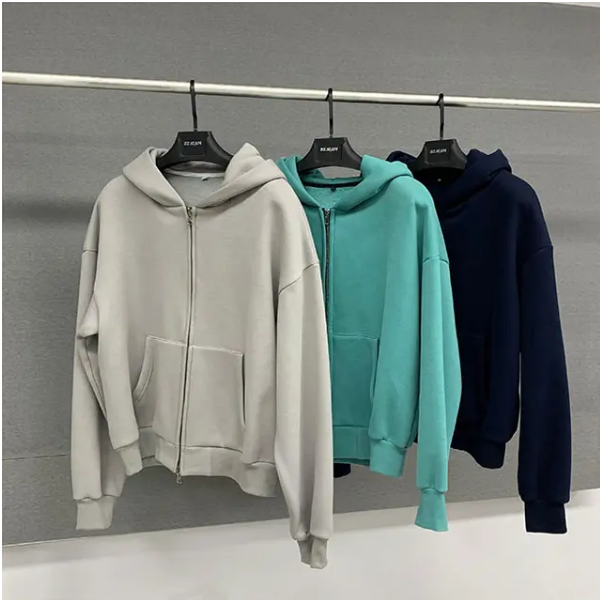
Cotton fleece and French Terry are two common fabric constructions used for hoodies, but they offer different surface characteristics.
French Terry typically features a smooth outer face and looped yarns on the inside. Depending on its construction, it can provide a substantial feel without the brushed interior associated with fleece.
Fleece fabrics may have a brushed inner surface that creates a softer feel and can help retain warmth. The final result depends on fiber composition, fabric density, and finishing.
Neither construction is automatically better. Brands should choose according to the desired texture, climate, silhouette, and price positioning of the collection.
Cotton-rich fabrics are often selected for their familiar hand feel, while cotton-polyester blends can offer different combinations of dimensional stability, durability, and maintenance characteristics.
Pre-shrinking and other finishing processes can influence garment performance after washing. Brushing may change the surface feel, while garment washing can alter color, texture, and appearance.
For custom production, the fabric specification should therefore include more than a GSM target. Fiber composition, fabric construction, finishing requirements, and acceptable measurement tolerances should also be confirmed.
A 400 GSM hoodie is a practical option for brands that want a heavyweight feel without committing to an extra-heavy fabric. It can work well for everyday streetwear, relaxed silhouettes, and collections designed for layering.
It may also suit brands that need to balance material weight with flexibility, production requirements, and shipping considerations. The final decision should still be based on the fabric sample and the intended garment design.
A 500 GSM hoodie may be a better fit for collections built around substantial fabric, pronounced proportions, or a premium heavyweight aesthetic. It can be particularly suitable for brands that want the fabric itself to contribute to the product's visual identity.
For example, Yite Clothing's 500 GSM hoodie provides a product reference for brands considering a heavyweight cotton base for custom embroidery, screen printing, or other branding applications. Reviewing a specific style can help buyers assess how fabric weight, color, and silhouette work together.
Before choosing a specification, consider who will wear the hoodie and how it will be used.
A collection aimed at everyday wear may benefit from a balance of weight, comfort, and layering flexibility. A limited streetwear release may place greater emphasis on a distinctive silhouette and a substantial hand feel.
Retail positioning also matters. A higher fabric weight should support a clear product benefit rather than serve as the only justification for a higher price. Brands comparing different silhouettes, fabric weights, and customization options can explore Yite Clothing's custom hoodie collection to identify styles that fit their intended product range.
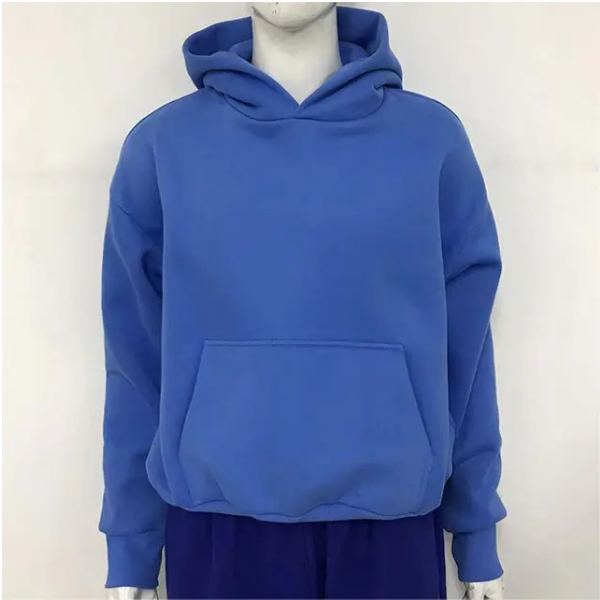
Specify the target GSM, fiber composition, fabric construction, and acceptable tolerance. Ask the supplier how GSM is measured and ensure that the specification applies to the intended production fabric.
If the collection requires a particular hand feel or surface texture, approve a physical fabric swatch before proceeding.
A sample allows the brand to assess shoulder width, chest circumference, body length, sleeve length, hood shape, and overall proportions.
This is particularly important for oversized hoodies, where a small change in pattern dimensions can affect the intended silhouette. The sample should be reviewed against the approved measurement chart rather than judged by appearance alone.
Washing can affect garment dimensions, color, and surface appearance. Brands should confirm that the fabric and finishing process meet their requirements through appropriate testing.
For brushed fabrics, inspect pilling and surface changes. For garment-dyed or washed styles, evaluate color consistency and the intended finish after washing.
Heavyweight fabrics can create thicker intersections around pocket openings, cuffs, hems, and hood seams. These areas require suitable construction and careful quality control.
Ribbing should provide an appropriate balance of recovery and support. If the hoodie includes embroidery, screen printing, or other decoration, test the chosen method on the actual fabric before bulk production.
A supplier's manufacturing experience can also make a difference when coordinating fabric selection, sampling, branding, and bulk production. Before placing an order, brands can learn more about Yite Clothing's apparel manufacturing background and customization services to understand its business scope and available support.
Choosing between a 400 GSM and a 500 GSM hoodie comes down to the product's intended feel, fit, and market position. Higher GSM can support a heavier aesthetic, but it does not guarantee better quality. By evaluating fabric construction, garment samples, and production requirements together, brands can develop a more consistent collection. Yite Clothing helps streetwear brands explore custom hoodie options that align with their design and production needs.
Not necessarily. It depends on the climate, fit, fabric construction, and personal preference. Some consumers prefer a substantial hoodie, while others find 400 GSM more comfortable for daily layering.
Yes. A 400 GSM hoodie is generally considered heavyweight, although industry classifications vary. Fabric composition and construction also affect how heavy the finished garment feels.
Not automatically. Durability depends on yarn quality, fabric construction, seam strength, finishing, and care. A well-made 400 GSM hoodie can outlast a poorly constructed 500 GSM garment.
Yes, depending on the supplier's available materials and production capabilities. Brands should confirm fabric availability, minimum order quantities, sample requirements, decoration options, and production specifications before placing an order.


