Views: 0 Author: Site Editor Publish Time: 2026-09-19 Origin: Site
You feel the difference instantly when you slip into premium athletic apparel. However, identifying exactly what makes these garments perform remains a massive challenge for many apparel buyers. Standardizing on the wrong mesh fabric often leads to disastrous outcomes for retail brands. You might face poor athletic performance or high product return rates because of sudden snagging and pilling issues. Ultimately, choosing inferior materials severely compromises your profit margins.
We will deconstruct the exact material compositions used in modern athletic shorts today. You will learn how to quickly separate verifiable performance materials from cheap, poorly constructed synthetics. This guide offers an evidence-based breakdown of synthetic categories and structural trade-offs. We provide precise criteria for evaluating quality before you finalize a bulk purchase or sign a long-term manufacturing partnership.
The vast majority of modern mesh shorts are constructed from 100% synthetic polymers, specifically polyester or nylon, not natural fibers.
Polyester mesh shorts offer the highest ROI for moisture management and color retention, while nylon mesh shorts prioritize structural durability and a softer hand-feel.
Fabric weight (measured in GSM) and structural knitting techniques (like tricot or warp knit) dictate whether a breathable athletic fabric remains durable under heavy use.
Sourcing requires validating supplier claims regarding GSM consistency, fabric stretch memory, and actual moisture-wicking treatments.
Understanding synthetic polymers is your first step in material evaluation. Brands often mask cheap plastics behind fancy marketing terms. We must strip away these labels to examine the core chemical realities of athletic textiles.
Polyester dominates the athletic apparel industry for several scientific reasons. This synthetic polymer possesses naturally hydrophobic properties. It actively repels water rather than absorbing it. This mechanism makes it the ultimate baseline material when engineering moisture-wicking shorts. Sweat moves quickly across the fabric surface and evaporates rapidly into the air.
High heat resistance provides another major advantage. Polyester tolerates temperatures exceeding 400°F during manufacturing. This thermal stability enables durable dye sublimation. Team uniforms and highly patterned polyester mesh shorts rely heavily on sublimation for permanent color bonding.
Assumption Check: Standard polyester traps bacteria easily. It will retain severe body odor if it lacks proper anti-microbial finishing treatments. Always verify chemical treatments during the sourcing phase.
Nylon serves as a distinct upgrade for specific high-stress use cases. It offers significantly higher tensile strength and abrasion resistance compared to standard polyester. Streetwear brands and heavy-duty athletic gear designers frequently utilize this material.
However, nylon behaves differently around moisture. It is inherently hydrophilic. It absorbs slightly more water than polyester. You must apply specialized chemical coatings to force it to function as quick-dry sports shorts. This extra processing increases the cost per yard. Premium nylon mesh shorts deliver a noticeably softer, silk-like hand-feel.
Modern athletes demand unrestricted movement. Manufacturers solve this by blending 5-10% elastane into the synthetic base. This small addition transforms rigid plastic into a dynamic four-way stretch fabric. It recovers its original shape instantly after stretching.
Risk Factor: Elastane degrades rapidly under high heat. Frequent hot washing or tumble drying destroys the elastic memory. The fabric eventually sags and loses structural integrity completely.
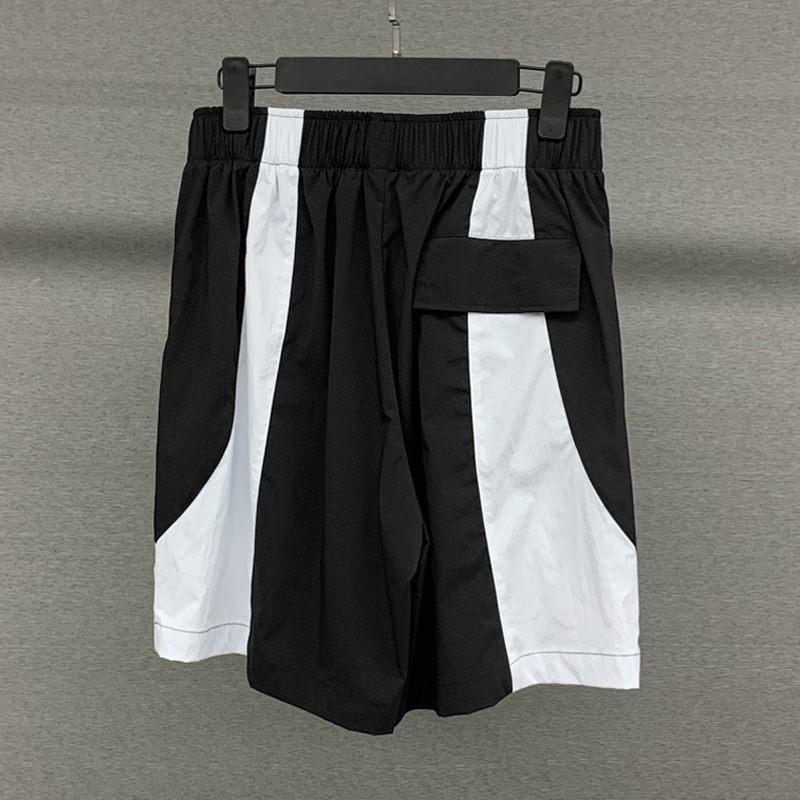
Chemical composition only tells half the story. The physical architecture of the yarn dictates actual field performance. We measure this architecture through fabric weight and knitting techniques.
Grams per Square Meter (GSM) acts as the universal standard for measuring fabric density. You cannot properly evaluate a breathable athletic fabric without verifying its precise GSM rating.
Fabric Weight and Application Guide
| GSM Range | Weight Category | Primary Use Cases | Opacity Risk |
|---|---|---|---|
| 100–140 | Lightweight | Running, intense cardio, hot climates | High transparency (Requires liner) |
| 150–200 | Midweight | Basketball, gym training, general fitness | Balanced (Moderate opacity) |
| 210+ | Heavyweight | Streetwear, lifestyle fashion, retro gear | Zero transparency (Poor thermal regulation) |
You must align your GSM choice directly with your target consumer. Lightweight fabrics offer maximum airflow but create severe modesty issues. Heavyweight fabrics drape beautifully for streetwear but suffocate athletes during intense workouts.
The knitting machine dictates hole size and shape. These structural choices heavily influence airflow and snagging risks.
Birdseye/Micro-mesh: This structure features tiny, closed perforations. It creates a much smoother surface area. The tight knit significantly lowers snag risks during contact sports.
Hole Mesh (Open Porthole): This delivers the classic retro athletic aesthetic. It offers maximum breathability due to massive visible holes. You absolutely must dual-layer this fabric to maintain modesty.
Tricot Knit: This specialized warp-knit technique prevents destructive runs. If a sharp object punctures the fabric, the surrounding threads lock in place. They refuse to ladder or unravel further.
Construction methods impact both your manufacturing costs and the end-user experience. You must weigh the structural trade-offs carefully before drafting technical specifications.
Many introductory mesh shorts utilize a single layer of fabric. This approach remains highly cost-effective. It requires less material and reduces sewing time on the factory floor. Single-layer garments feel ultra-lightweight during intense summer training.
Drawback: Transparency remains a massive risk. Lighter colors like white or yellow become completely sheer when stretched or wet. Open-hole single-layer designs often generate immediate customer complaints regarding modesty.
Adding an internal lining solves the opacity problem instantly. Poly-silk or lightweight tricot linings block visibility without adding excessive thermal weight. They glide smoothly against the skin during movement.
However, this construction method increases production costs significantly. Factories must cut and sew two distinct layers of fabric. The waistband construction becomes thicker and more complex to assemble.
Modern athletic brands increasingly favor 2-in-1 constructions. This design embeds a tight spandex blend base layer beneath a loose mesh outer shell. The inner layer grips the thighs securely.
This hybrid construction eliminates painful chafing for distance runners. It also enhances moisture transport. The tight inner layer pulls sweat away from the skin. It passes the moisture outward to the mesh shell for rapid evaporation.
The textile industry suffers from rampant marketing exaggeration. You must learn to identify false claims during the early sourcing stages. We evaluate materials based on objective testing data.
Cheap materials rely entirely on mechanical holes for airflow. Unscrupulous suppliers label this basic ventilation as "moisture-wicking." True capillary action operates quite differently. Quality wicking requires cross-sectionally engineered yarns. These advanced yarns feature microscopic channels built directly into the thread. They actively pull liquid upward against gravity. Alternatively, factories can apply verifiable chemical treatments to achieve similar capillary results.
Best Practice: Always request documentation for chemical wicking finishes. Test fabric swatches by dropping water onto the surface. High-quality treated fabrics absorb and spread the droplet instantly.
Athletic environments expose clothing to rough surfaces. Loose warp knits will snag instantly on velcro straps or abrasive gym equipment. Pilling occurs when broken fibers tangle into small knots on the fabric surface.
If you evaluate technical gear, always demand objective snag-test ratings. The ASTM D3939 standard provides a reliable metric. Fabrics scoring below a level 3 on this test will likely generate heavy customer returns.
Synthetic fibers generally resist shrinking in cold water. However, improper heat-setting during the manufacturing phase causes catastrophic failures. If a factory skips the final heat-setting stabilization process, the fabric will warp violently in a consumer dryer.
Color bleeding occurs when cheap disperse dyes fail to bond properly. Dark colors will ruin lighter garments during the first wash cycle. You must request colorfastness test results before approving any bulk production runs.
Partnering with a reliable factory determines your ultimate success. You need a custom mesh shorts supplier who understands exact material chemistry. Avoid factories that source generic, untraceable market fabrics.
A professional manufacturer demands detailed tech packs. These documents must specify the exact GSM requirements. You must dictate the precise fabric blend, such as 90% Polyester and 10% Spandex. You also need to state the required knit structure clearly before requesting any physical samples. Ambiguity in tech packs always leads to inferior prototypes.
Safety regulations grow stricter every year. You must demand OEKO-TEX Standard 100 certification. This globally recognized standard ensures textiles remain free from harmful restricted substances. It guarantees safe skin contact for your consumers.
Many brands now source recycled polyester (rPET) to meet eco-friendly goals. Unfortunately, greenwashing runs rampant in overseas manufacturing. If you pay a premium for recycled fibers, you must require GRS (Global Recycled Standard) transaction certificates. These documents trace the exact origin of the recycled plastic bottles used in your yarn.
Evaluate whether factory MOQs align with your actual business phase. Testing a new product line requires small, agile production runs. A good factory allows 50-100 units for proof of concept. However, they must also possess the machinery to handle massive bulk scaling once your product finds market fit.
Common Mistake: Committing to high MOQs before finalizing fabric shrink testing. Always wash your prototypes ten times before signing a bulk purchase order.
Selecting the right synthetic material dictates the success or failure of your athletic apparel line. You must prioritize exact material blends over generic marketing terms. Verify every GSM claim and demand specific structural knitting techniques. Finally, always match your lining construction to the intended athletic end-use.
Take action before contacting any new manufacturers. Draft a comprehensive material specification sheet outlining your requirements. Check the composition tags on your favorite existing samples. Establish a firm baseline for stretch, weight, and opacity to ensure your next product launch dominates the market.
A: Yes, because synthetic mesh maximizes airflow. Polyester repels sweat, moving moisture rapidly away from your skin. Nylon feels softer but requires chemical treatments to dry fast. Both synthetics provide excellent thermal regulation during hot weather when engineered with open or birdseye knit structures.
A: High-quality synthetic garments resist shrinkage naturally. However, improper heat-setting during manufacturing causes fabric warping. You must wash these garments in cold water. Always avoid high-heat tumble drying. High temperatures melt elastane blends and permanently destroy the structural integrity of the garment.
A: Micro-mesh features tiny, closed perforations. It creates a smooth surface and significantly lowers snagging risks. Standard porthole mesh has larger visible holes. It offers maximum breathability but often requires an inner liner for modesty. Micro-mesh provides much better opacity for single-layer garments.
A: Sublimation requires specialized dye bonding at extreme temperatures. Polyester handles this intense heat perfectly. Nylon absorbs dye differently and often melts or warps under standard sublimation conditions. You must use screen printing, embroidery, or specialized low-heat transfers when decorating nylon materials.


