Views: 0 Author: Site Editor Publish Time: 2026-09-16 Origin: Site
When people search for "mesh shorts," they typically mean one of two garments. Sometimes they refer to outer athletic apparel. Standard basketball shorts fit this category. Other times, they mean garments with internal mesh liners. Swim trunks and running gear fall into this bucket. Solid fabrics consistently fail athletes in high-intensity situations. They also fail in aquatic environments. These traditional materials trap moisture against your body. They cause painful chafing during extended movement. They severely restrict necessary airflow. We designed this guide to address these specific problems. We will define the functional engineering behind modern mesh construction. We will compare this material to solid fabrics and compression alternatives. Finally, we provide a robust evaluation framework. This framework guides you whether you buy for yourself or handle bulk procurement. You will learn exactly how to identify high-quality athletic apparel.
Mesh construction physically separates wet fabric from the skin, preventing chafing and accelerating evaporation.
Breathable mesh shorts utilize micro-perforations to create active airflow, regulating core body temperature during high exertion.
Internal mesh liners provide critical structural support without the compressive heat retention of solid spandex blends.
For bulk buyers and teams, partnering with a verified custom mesh shorts manufacturer ensures control over fabric GSM (Grams per Square Meter), durability, and specific athletic utility.
Let us dive into airflow and thermal regulation. Knit micro-perforations deliberately reduce fabric density. Manufacturers engineer these tiny holes directly into the textile matrix. This design focuses heavily on the actual mechanics of heat dissipation. We do not just look at subjective comfort. Active movement forces hot air out through the perforations. Cool ambient air instantly replaces it. This continuous cycle regulates your core body temperature. It keeps athletes performing at peak levels for longer durations.
Next, we must distinguish moisture management from moisture absorption. Natural fibers act like sponges. Cotton absorbs water and holds it tightly. Synthetic mesh relies on hydrophobic materials. Polyester and nylon are the primary choices here. They simply do not absorb water. Instead, the specialized yarn disperses sweat across a much wider surface area. Capillary action pulls the moisture outward. This wide dispersion facilitates incredibly rapid evaporation. You stay dry because the water leaves the garment entirely.
Weight reduction represents another massive engineering triumph. Mesh achieves high tensile strength using less physical material. The open woven gaps naturally decrease the overall garment mass. This specific construction qualifies them as lightweight sports shorts. Lower weight translates directly to reduced physical drag. Runners and basketball players burn less energy moving the fabric. You experience far less fatigue during the final minutes of a game.
Micro-perforated airflow tunnels maximize cooling.
Hydrophobic synthetic yarn blends prevent water retention.
High tensile-to-weight ratio reduces athlete fatigue.
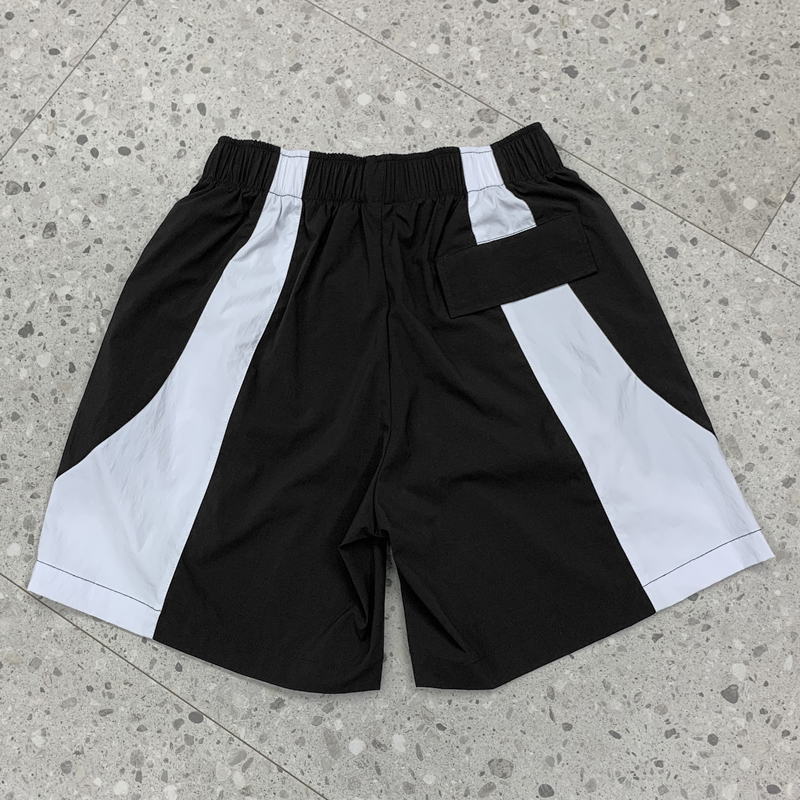
Outer mesh garments serve a very specific set of physical demands. Mesh basketball shorts represent the most common example. Their primary function centers on maximizing breathability. They also prioritize excellent fabric drape. This loose drape allows for a completely unrestricted range of motion. Athletes can pivot, jump, and sprint without resistance. When evaluating outer garments, you must look for double-layered construction. Tricot knit provides an ideal industry standard. The inner layer offers full visual opacity. The outer layer maintains the necessary active airflow. You get complete coverage without trapping excess body heat.
Internal mesh liners operate under entirely different engineering principles. We see these primarily in swim trunks and running gear. Their primary function focuses on anatomical support. They also create a critical physical barrier. Evaluation criteria here center on the internal suspension effect. The liner must keep the heavy, wet outer layer away from sensitive skin. This separation prevents debilitating friction burns. It also stops harmful bacterial buildup in damp environments. You quickly realize the real benefits of mesh shorts when navigating harsh aquatic environments. Let us break down the key evaluation points:
Check for reinforced stitching along the suspension anchor points.
Assess the flexibility of the groin paneling.
Verify the porosity of the inner liner material.
Ensure the outer shell features a durable water-repellent coating.
The chafing factor dictates many apparel decisions. Let us compare the friction coefficient of different materials. Wet solid polyester clings aggressively to human skin. The fabric surface drags against the epidermis with every stride. This repetitive friction tears the skin over time. A tailored mesh liner solves this physical problem. It minimizes direct contact points. The micro-gaps significantly reduce the overall friction coefficient.
However, we must acknowledge a major market shift. Compression liners now serve as a dominant alternative. Brands increasingly swap traditional mesh for tight spandex blends. Let us examine the pros of compression liners. They offer a much closer anatomical fit. They rarely ride up your leg during dynamic movements. The locked-in sensation provides psychological confidence for many athletes.
Now, consider the pros of traditional mesh. It offers significantly faster drying times. The superior ventilation remains unmatched by dense compression fabrics. Mesh also feels far less restrictive for varied body types. It breathes organically as you move.
Frame your choice based on your specific use-case. Aquatic environments heavily favor mesh. The rapid dry-time prevents post-swim discomfort. Long-distance running often favors compression. The locked-in fit prevents repetitive motion friction over many miles.
| Use-Case Scenario | Recommended Material | Primary Functional Reason |
|---|---|---|
| Aquatic Use / Swimming | Mesh Liner | Rapid dry-time; zero water retention; immediate drainage |
| Long-Distance Running | Compression Liner | Absolute friction prevention; zero fabric ride-up |
| Indoor Court Sports | Outer Mesh (Double-ply) | Maximum ventilation; unrestricted lateral movement |
| Casual Athleisure | Solid Blend Fabric | Aesthetic drape; suitable for moderate daily activity |
Institutional buyers heavily favor mesh apparel. Durability drives this purchasing behavior. High-quality synthetic knits boast incredible resistance to tearing. They maintain their physical shape perfectly. High-frequency industrial washing destroys standard cotton over time. Mesh survives this brutal laundering cycle. Furthermore, polyester yarns offer superior colorfastness. Team colors remain vibrant season after season.
Customization tolerances also dictate institutional buying habits. The woven structure of mesh accommodates sublimation printing brilliantly. Traditional cotton blends often require heavy screen printing. Screen prints crack, peel, and fade quickly. Sublimation turns the dye into a gas. The ink bonds directly to the molecular structure of the polyester fibers. The design becomes part of the fabric itself. It never chips away.
We also see immense versatility in modern mesh apparel. The garment successfully transitioned from strictly athletic wear. It now dominates the casual athleisure market. Players wear them during intense practice sessions. They also wear them to class or casual outings. This broad transition expands the usable lifecycle of the product. Athletic programs maximize their budget efficiency. They buy one versatile garment that serves multiple daily purposes.
Assessing fabric weight is your first critical step. We measure this in Grams per Square Meter (GSM). You must define optimal GSM ranges for different applications. Running apparel requires extremely light fabric. A range of 120-140 GSM works perfectly here. Basketball demands heavier, more durable material. You should target 180+ GSM for high-contact court sports. Matching the GSM to the sport prevents premature fabric failure.
Stitching and seam integrity demand strict oversight. You must mandate flatlock seams in your procurement specifications. Cheap wholesale mesh shorts frequently suffer from catastrophic seam blowouts. Overlock seams create bulky internal ridges. These ridges cause severe skin irritation. Flatlock stitching lays completely flat against the body. It fortifies the connection points and eliminates internal chafing entirely.
Supply chain transparency protects your institutional investment. You must evaluate a supplier thoroughly before signing contracts. Ask them about their minimum order quantities (MOQs). Ensure their MOQs align with your actual roster size. Request extensive sample prototyping capabilities. Never buy bulk without testing a physical prototype first. Finally, establish strict lead times for high-volume custom orders. You need guarantees that uniforms will arrive before the season begins.
Here is a brief checklist for evaluating suppliers:
Define the required fabric GSM based on the specific sport.
Specify flatlock seams in the initial technical pack.
Audit the supplier's sample turnaround time.
Confirm their maximum production capacity per month.
Verify their sublimation printing technology standards.
| Athletic Application | Recommended GSM Range | Key Performance Trait |
|---|---|---|
| Track and Field / Running | 120 - 140 GSM | Ultra-lightweight; maximum air permeability |
| Soccer / General Training | 140 - 160 GSM | Balanced durability and moisture wicking |
| Basketball / Lacrosse | 180 - 220 GSM | High tear resistance; robust drape |
| Rugby / Contact Sports | 220+ GSM | Maximum tensile strength; heavy impact survival |
Let us summarize the core facts clearly. The point of mesh comes down to highly functional engineering. The deliberate construction prioritizes active airflow above all else. It maximizes vital moisture dispersion. It provides critical structural support in demanding environments.
We offer a strong final recommendation for decision-makers. You must prioritize technical seam construction. You must match fabric weight to your exact athletic needs. Do not let visual aesthetics overshadow physical utility. A great design means nothing if the garment fails on the field.
Take action on these next steps today. Review your team sizing charts meticulously. Request physical fabric samples from trusted suppliers. Test those samples under real athletic conditions. Finally, contact your manufacturing partner to secure favorable bulk pricing.
A: Running shorts feature internal mesh liners to eliminate the need for moisture-retaining cotton underwear. The liner provides critical built-in anatomical support. It also creates a breathable physical barrier. This barrier significantly reduces painful skin-on-fabric friction during repetitive forward motion.
A: Yes, you can cut it out, but doing so voids the built-in structural support. If you experience severe chafing, it typically indicates poor-quality, rigid mesh. It rarely points to a conceptual flaw. Upgrading to higher-quality apparel solves the problem better than cutting.
A: Single-ply shorts are ultra-lightweight but often semi-transparent. Double-ply shorts add a solid or micro-mesh inner layer. This construction ensures full visual opacity. It greatly increases overall durability while maintaining the high breathability inherent to the synthetic mesh fabric.
A: Suitability depends entirely on the fabric denier and GSM. Standard promotional wholesale mesh often tears under heavy physical strain. Athletic-grade wholesale apparel requires reinforced flatlock stitching. It demands heavier gauge knits to withstand the intense pulling common in high-contact sports.


